The Story
Why it exists.
The beginning
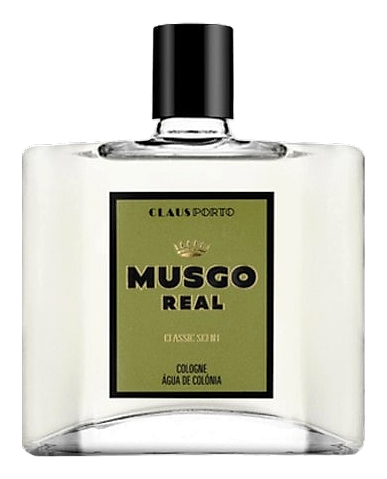
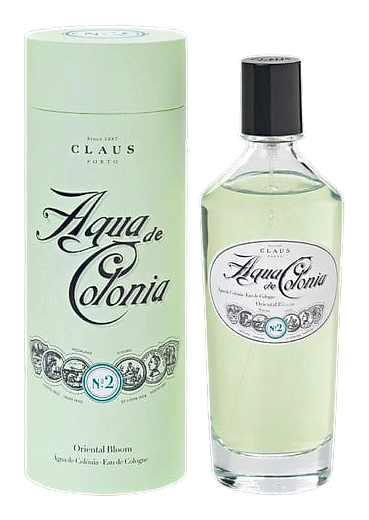
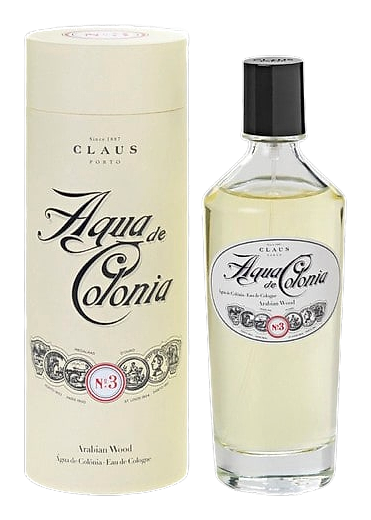
Arabian Wood joined the Agua de Colonia line at Claus Porto in 2014. The fragrance leans into fruit in a way most colognes don't, building its character around red grape and red currant rather than the bright citrus or herbal notes that anchor many lighter compositions. The concentration is cologne, light by design, which makes the gourmand-leaning heart feel almost weightless on skin. The name suggests something resinous, something woody, but the reality is closer to a fruit accord dressed in restraint, a sweet-sour tension that reads as warm rather than dense.
The unusual thing here is restraint. Red currant and red grape together produce a sweet-sour tension that's easy to overplay, easy to turn into candy. The violet is the moderator, the note that pulls the fruit toward powder rather than syrup. What you're wearing is essentially a fruit accord dressed in cologne concentration, which means the sweetness stays transparent rather than thick. It's a composition that earns attention by sidestepping what you'd expect. The grape isn't there to impress. It's there to make the violet feel less like a soap note and more like a breath.
The evolution
The opening is all fruit. Red currant arrives first, tart and almost effervescent, the way currant tastes when you bite into it slightly underripe. Red grape follows quickly behind, adding weight and a bruised sweetness that rounds the sharp edges. The violet sits underneath from the start, but it doesn't push forward until the fruit begins to recede. As the wear progresses, the currant thins out and the grape deepens, turning from fresh fruit into something closer to jam, cooked, darker, less bright. The violet takes over the second half of the wear, powdery now, almost cosmetic, the kind of violet that lives in old lipsticks and face powder compacts. By the late stages you're wearing mostly violet with a ghost of grape sweetness underneath. The cologne concentration means there's no heavy base to anchor things, and the longevity sits above average without becoming a room-filler.
Cultural impact
Claus Porto has shaped Portuguese fragrance culture for generations, and Agua De Colonia No.3 Arabian Wood carries that heritage forward with a confident blend of red currant, red grape, and violet. The composition reflects the brand's appetite for unusual pairings, offering a fruit-driven profile that feels distinct within the numbered Agua de Colonia line. The collection itself has an almost archival quality, a numbered sequence that documents the house's evolving taste across decades, giving the line a continuity that collectors tend to appreciate.