The Story
Why it exists.
The beginning
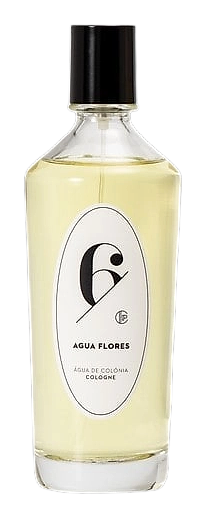
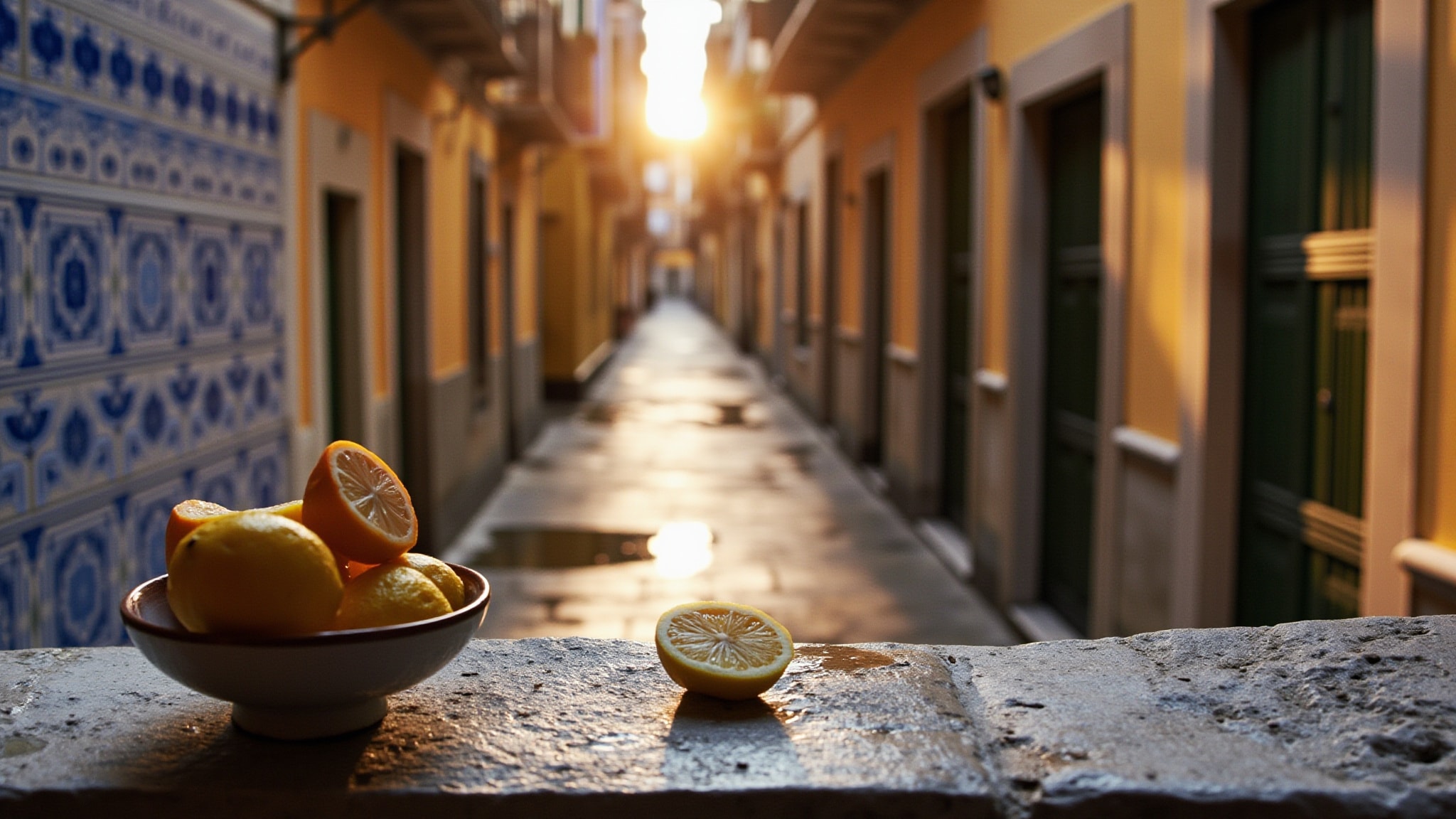
Agua Flores arrived in 2020 as a collaboration between Claus Porto and perfumer Lyn Harris. Harris envisioned a fragrance that captured the atmosphere of a dawn blooming over the azulejo-lined streets of Porto, where the air carries the scent of water-soaked flowers and warm resin. The name itself, water flowers, alludes to that fresh, luminous quality found in gardens where florals meet moisture and light. Harris built this scent around the contrast between bright, dewy opening notes and the warm, grounded drydown that follows.
The note structure in Agua Flores reflects a deliberate philosophy of contrast. The opening citrus and angelica establish freshness and clarity, while the floral heart brings softness and richness. The drydown, built on suede, benzoin and sandalwood, anchors the fragrance with warmth and longevity. This layering ensures the scent evolves across the day, moving from bright and dewy to warm and intimate. The inclusion of vetiver and orris root grounds the composition, preventing the florals from floating away into abstraction.
The evolution
The fragrance begins with a crisp citrus opening that feels immediate and inviting. Lemon and mandarin orange provide bright tartness, softened slightly by bergamot. Angelica lends a green, slightly bitter edge that keeps the opening from feeling too sweet. As these fade, jasmine and orange blossom emerge as the dominant heart notes, their floral richness softened by the cool, watery presence of water lily. Orris root adds an earthy, powdery quality while black pepper introduces a quiet spiced warmth. The drydown eventually takes over, revealing suede, benzoin, sandalwood, tonka bean and vetiver. These notes create a warm, enveloping base that contrasts beautifully with the freshness of the opening.
Cultural impact
Agua Flores, launched by the historic Portuguese house Claus Porto, captures the spirit of Lisbon’s sunlit plazas and the city’s maritime heritage. Its blend of bergamot, lemon, and mandarin orange echoes the citrus groves that once dotted the Atlantic coast, reminding locals of the trade routes that shaped Portugal’s cultural blend. The fragrance has become a staple in everyday wear for many Portuguese families, symbolising a shared memory of summer evenings spent sipping coffee in open-air cafés. Over the years, it has inspired local artists to reference its bright notes in paintings and music, reinforcing a sense of national pride rooted in simple, joyful moments.