The Story
Why it exists.
The beginning
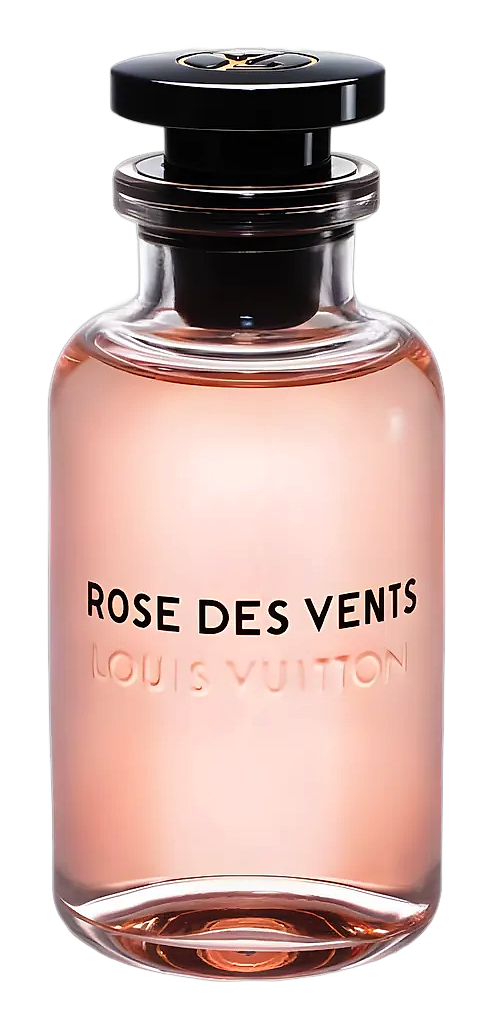
Rose des Vents arrived in 2016, created by Jacques Cavallier-Belletrud, Louis Vuitton's first in-house perfumer installed at the restored Les Fontaines Parfumées in Grasse. The name means 'compass rose,' but the scent doesn't point anywhere fixed. Instead, it weaves together the green freshness of just-cut stems, sun-warmed petals, and powdery iris into something that feels both refined and natural. The rose itself is quieter than expected, not a grand declaration but a subtle presence that blends with the cedar and musk to create a composition that feels complete in its restraint.
What makes Rose des Vents unusual is the iris. Not just as a note, but as an architecture. It gives the composition its powdery, almost waxy quality, a tactile quality that makes the fragrance feel as if it could be touched. The rose isn't the jammy rose of many feminine fragrances. It's cooler, with a green-crisp opening from blackcurrant that makes the petals feel like they're still attached to the stem. Cedar provides the structure. White musk keeps it intimate. The result is a rose that doesn't announce itself but holds its ground, the kind of quiet confidence the house has always traded in.
The evolution
The opening hits bright and almost tart, blackcurrant and green notes doing the work. Peach softens it slightly, keeps it from sharpening. Within fifteen minutes, the rose arrives, but it's not the fanfare kind. It's quieter, almost hesitant. As if the fragrance is still deciding what it wants to be. Then the iris takes over, and suddenly the whole composition shifts from fruit-forward to powdery-warm. This is where the scent earns its 'sleek and stately' description, there's a structure here that most florals skip. The iris adds a powdery sophistication that brings depth and complexity, creating a bridge between the fresh top notes and the woody base. Cedar arrives late, anchoring everything with a clean, dry finish. The white musk adds intimacy without being heavy, and the overall impression is of a composition that maintains its shape as it evolves.
Cultural impact
For those seeking refinement without announcement, Rose des Vents offers something distinct. The iris and cedar structure gives it an architectural quality that brings order to its floral heart. There's a coolness here that sets it apart from warmer, more assertive florals, with the iris providing a powdery sophistication that harmonizes with the woody base. The composition creates a sense of quiet elegance that works across occasions, with the fragrance holding its character as it develops throughout the day.