The Story
Why it exists.
The beginning
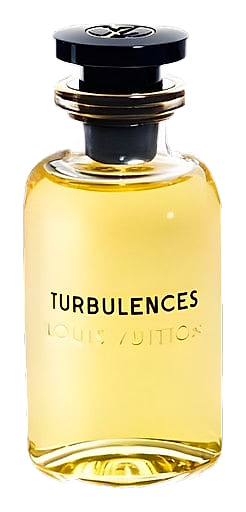
Turbulences arrived in 2016 as part of Louis Vuitton's return to fragrance after nearly seventy years of silence. Jacques Cavallier-Belletrud, installed as the house's first in-house perfumer, had spent years building the creative atelier in Grasse, Les Fontaines Parfumées, surrounded by fields of jasmine and tuberose. The brief was simple: emotional clarity, not complexity for its own sake. But Turbulences tested that brief. Named for the disturbance of calm, the moment wind tears through stillness, this was the collection's counterweight to gentler compositions. A fragrance that wouldn't ask permission.
What makes Turbulences stand apart is its structural gamble. White florals, jasmine absolute, Indian tuberose, Chinese magnolia, May rose, are by nature creamy, narcotic, almost dangerously sweet. The perfumer paired them with leather and musk. Not as contrast, but as conversation. The leather doesn't fight the florals. It holds them. Keeps them from floating away. The result is a composition that feels lush and grounded simultaneously, garden and saddle room, silk and hide.
The evolution
Jasmine opens the page. Creamy, indolic, immediate. For the first thirty minutes, it's almost too much, the tuberose pushing against the jasmine, both flowers refusing to yield ground. Then the magnolia and rose arrive, softening the edges, turning the storm into something beautiful. By hour two, the leather has taken over. Not aggressive. Present. It sits under the flowers like bedrock, eventually becoming the whole story. The drydown is leather and sandalwood, warm and close. On fabric the next morning, a trace of musk remains, the last word, quiet and certain. Eight to ten hours is the range. On some skin, it lasts longer.
Cultural impact
Turbulences arrived in 2016 as part of Louis Vuitton's dramatic re-entry into perfumery after a 70-year absence, signaling the house's intent to compete at the highest echelons of luxury fragrance. Designed by in-house perfumer Jacques Cavallier-Belletrud at the restored Les Fontaines Parfumées in Grasse, the scent represented a deliberate artistic risk: pairing indolic jasmine sambac with a bold leather accord in an industry that increasingly favored safe, mass-appealing compositions. Its divisive nature made it an immediate conversation piece, drawing both adoration and rejection from fragrance communities.