The Story
Why it exists.
The beginning
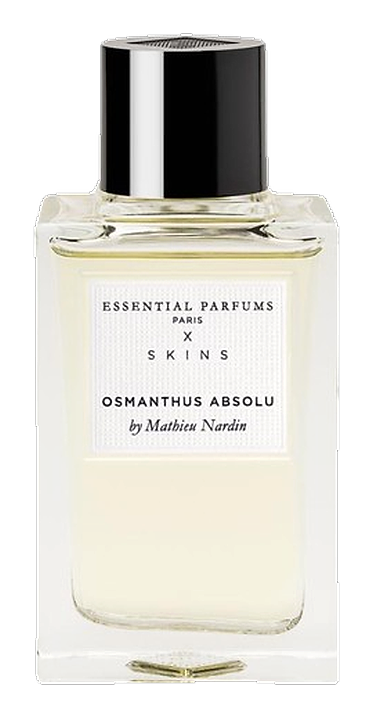
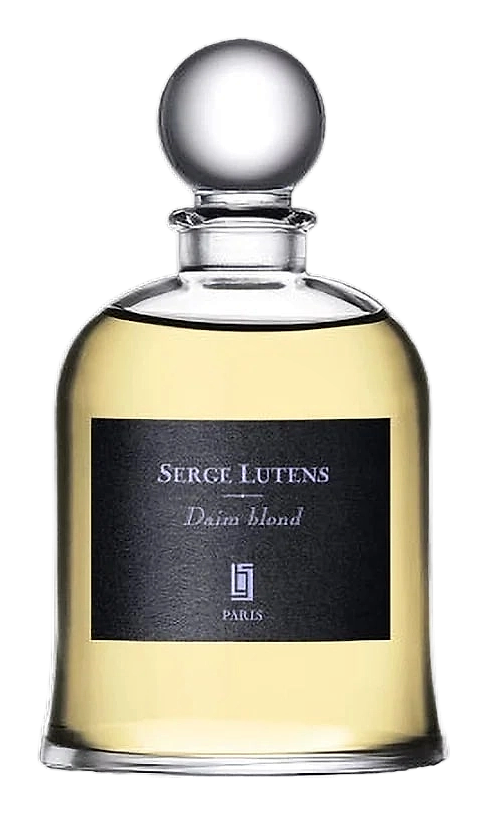
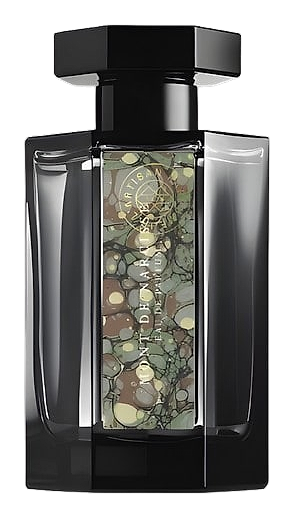
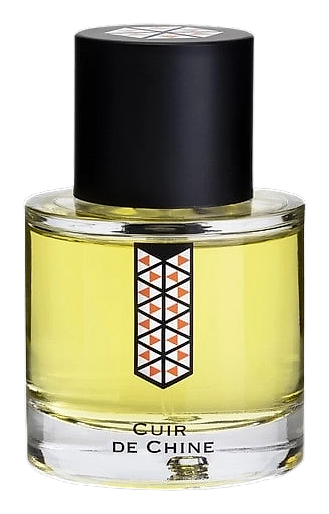
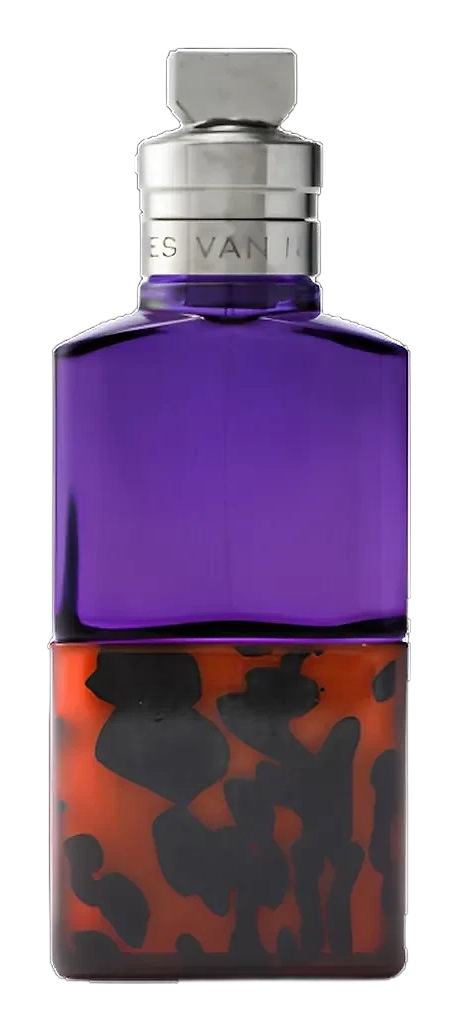
The name references Baudelaire's poetry collection, but Fleur du Mal doesn't traffic in darkness. Instead, it's a study in contrast, osmanthus as the central tension: apricot-jammy, intensely floral, with a soft animal undertone that keeps it from being precious. Perfumer Quentin Bisch built around this duality, using peach as a bright counterpoint in the opening before letting the floral heart speak fully. The Belgian fashion house founded in Antwerp in 1986 continues its unconventional approach, treating fragrance as wearable art rather than commercial formula.
The osmanthus-jasmine pairing represents a deliberate choice to explore floral complexity without relying on traditional rose or iris. Peach in the opening serves as a bridge, its sweetness making the floral heart more approachable. The suede and amber drydown grounds everything, preventing the florals from becoming delicate. Tog ether these notes create a fragrance that moves from brightness to richness to warmth, each phase distinct yet connected.
The evolution
Starting with peach, the fragrance establishes a sweet, summery immediacy that invites engagement. As the top notes recede, osmanthus and jasmine rise tog ether, the former bringing its signature apricot-like richness while jasmine adds depth through subtle indolic warmth. This heart phase dominates the wear experience, lasting several hours before suede and amber gradually emerge. The drydown transforms the composition into something Intimate and close, the suede providing texture while amber adds resinous comfort, creating a finish that feels like a second skin rather than a statement.
Cultural impact
Fleur du Mal occupies a refined niche, positioned between traditional floral fragrances and something with more edge. The reception has been polarized in the best way: wearers either find it an addictive, complex fruity-floral-leather or struggle with the osmanthus animalic. Both reactions are valid, which is the point. This is a fragrance for someone who treats scent as a form of expression rather than decoration.