The Story
Why it exists.
The beginning
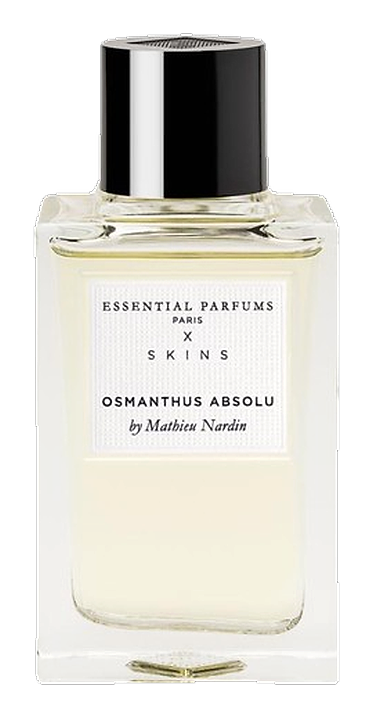
Mathieu Nardin built Osmanthus Absolu around a flower most people know only as a tea-scenting note. The brief: osmanthus, pushed into the center. Not tamed, not softened. Let it show its teeth. Black tea and osmanthus became the spine of the composition, with leather and cedarwood providing structure. The result is a fragrance that smells like the idea of osmanthus, not the idea of perfume, which is exactly what the house is for.
Osmanthus is a peculiar material. It does not announce itself. It sits quietly within a composition and then, suddenly, you realize it has been there the whole time, apricot-sweet, leather-dark, faintly smoky all at once. The challenge is not extraction. The challenge is restraint. Nardin does not soften it. He builds around it, black tea amplifying the osmanthus's smoky, earthy depth rather than competing with it. Every layer reinforces the tension: bright and dark, floral and smoky, delicate and intense. Cedarwood and vanilla anchor the drydown with warmth that lingers long after the tea fades.
The evolution
The opening arrives sharp, bergamot's citrus bite followed immediately by cardamom's spice. No delay. No softness. The bergamot retreats within minutes, leaving cardamom in a strange conversation with what comes next. Osmanthus arrives quietly but refuses to stay subtle. It unfolds across the heart with a leathery sweetness that surprises, especially against the smoky black tea. The tea is not a backdrop here, it dominates, dark and slightly medicinal, as if the leaves have been burning. Cedarwood arrives in the drydown with a dry warmth that softens the leather and smoke into something almost creamy. Vanilla appears late, threading sweetness into the cedar without ever tipping into gourmand. This is a fragrance that lives on the skin, the notes shifting and settling as the hours pass, revealing different facets of the osmanthus and tea as it evolves.
Cultural impact
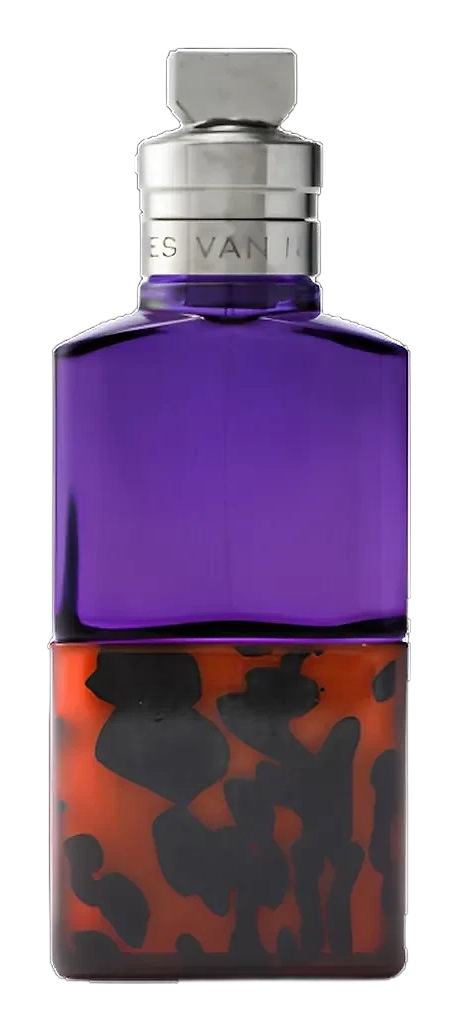
Osmanthus Absolu was developed for Skins perfumery, a collaboration that places it in the company of fragrances unafraid to explore osmanthus's wilder, less polite facets. The combination of smoky black tea and dark osmanthus draws natural comparisons to Dries Van Noten's Fleur du Mal, works that share this same willingness to let a note behave on its own terms. The osmanthus does not soften here. It arrives with an audacity that refuses to be polished, and the smoky tea beneath it only amplifies that raw quality rather than tempering it. This is a fragrance for someone who does not need to announce themselves when they enter the room.