
The Story
Why it exists.
The beginning
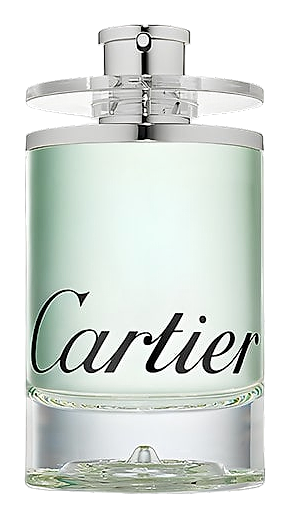
In 2001, Christine Nagel created Eau de Cartier. The fragrance opens with a bright, translucent citrus quality that feels like morning light on water. As it settles, the green notes emerge, fresh and slightly bitter, like crushed stems rather than anything saccharine. The heart reveals a clean, aquatic undertone that stays close to the skin rather than billowing outward. A soft, skin-like warmth anchors the composition, with subtle woods that blend into the wearer's own scent. It doesn't announce itself. It waits to be noticed.
What makes the composition work is its tension between fresh and warm. The yuzu opening is sharp, almost green, a Japanese citrus that reads differently than bergamot or lemon. Coriander adds a slight metallic spice that bridges the top to the heart. Then violet leaf and lavender arrive: aromatic, clean, slightly powdery. The contrast between that cool ozonic quality and the warm cedar-patchouli base is what keeps this interesting twenty-plus years later. It's not a safe lavender. It's not a generic citrus. The materials earned their place.
The evolution
The opening hits clean, yuzu, bergamot, a whisper of coriander. Thirty minutes in, violet leaf takes over. That's when the ozonic quality emerges, cool and mineral rather than aquatic-synthetic. The heart holds for a few hours, green and aromatic, before cedar and white amber arrive to soften everything. Musks keep it close to the skin. Patchouli adds earthy depth underneath. On most people, four to six hours. On fabric, less. The drydown is quiet cedar and skin-warmth, intimate, almost shy.
Cultural impact
Eau de Cartier occupies an interesting position in the early-2000s fragrance landscape. The ozonic quality here is subtle rather than synthetic, the kind of fresh that doesn't assault the senses. That restraint has aged gracefully. The fragrance offers something more considered: a fresh composition that behaves like jewellery, close and intimate rather than announcing itself to the room. Its quiet complexity rewards the wearer who pays attention, revealing green and citrus facets that shift throughout the day. The composition stays close to the skin, developing slowly as the hours pass, never demanding attention but always present.