
The Story
Why it exists.
The beginning
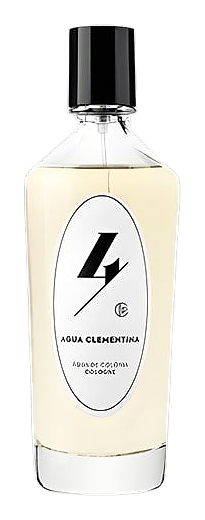
Agua Clementina arrived in 2018 as part of Claus Porto's Água de Colonia line. The composition was created by Lyn Harris, the British perfumer known for her stripped-back, ingredient-first approach. The result layers four citrus oils with the herbal calm of lavender and the creamy sweetness of orange blossom, and the combination reads as both confident and unhurried, the kind of cologne that announces itself without raising its voice. The opening is where the citrus quartet does its brightest work: lemon brings a clean, almost biting spark, bergamot adds a soft green peel, grapefruit contributes a faint bitter edge, and mandarin rounds things out with a warm, honeyed peel.
What's interesting here is the restraint of the structure itself. The citrus quartet of lemon, bergamot, grapefruit, and mandarin does the bright work up front, then the orange blossom and lavender hold the middle, and musk keeps everything grounded in a clean, skin-like warmth. That layering produces a cologne with real shape: the top is sharp and juicy, the heart softens into something almost floral and herbaceous at once, and the drydown settles into a quiet, intimate musk that stays close to the skin.
The evolution
The first ten minutes are all citrus. Loud citrus. Lemon and bergamot arrive together, almost too sharp, then grapefruit cuts in with a bitter edge and mandarin rounds it out with something warmer and sweeter. By the twenty-minute point the orange blossom starts to lift through the citrus haze, not replacing it but sitting on top of it, giving the whole thing a soapy, almost waxy creaminess. The lavender is subtle, more suggestion than statement, the kind of green herbal note you feel more than smell. Around the ninety-minute mark, the citrus begins to fade and the musk takes over. It's a clean musk, the skin scent of someone who has just stepped out of a shower, not the heavy white musk of laundry detergent. The fragrance stays close to skin from the second hour onward, lasting a full afternoon, sometimes longer on fabric. By evening what remains is musk and a trace of orange blossom, the ghost of the bright opening still hanging in the collar of a shirt or the weave of a scarf.
Cultural impact
Agua Clementina enters Claus Porto's catalog as part of the broader Água de Colonia line, a range that places the brand's cologne work alongside its well-known soapmaking. The fragrance leans on a quartet of citrus fruits (lemon, bergamot, grapefruit, and mandarin orange) layered over orange blossom, lavender, and clean musk, a structure that highlights how comfortably citrus can carry a composition when given enough support underneath. Each of the four top notes plays a distinct role: lemon for clean brightness, bergamot for a green floral lift, grapefruit for a slight bitter tension, and mandarin for that warmer, sweeter peel character.
The House
Claus PortoClaus Porto is a Portuguese house that has turned everyday toiletries into objects of quiet luxury since 1887. Founded in the city of Porto by German entrepreneurs Ferdinand Claus and Georges Schweder, the brand began as the country’s first soap and fragrance factory. Over more than a century it has expanded into a curated line of colognes, scented soaps and body care, all distinguished by hand‑crafted techniques and a visual language that echoes the tiles and art‑deco architecture of its hometown. Today the brand operates a flagship boutique on Rua de Santa Catarina, where visitors can explore the full range of scents and admire the historic packaging that has become a collector’s item.
The Creator
Lyn HarrisHarris favors a minimalist architecture, building around a dominant natural note and supporting it with subtle accents. She often begins with a single flower, resin or wood, then layers thin, measured traces of spice, citrus or green foliage.