
The Story
Why it exists.
The beginning
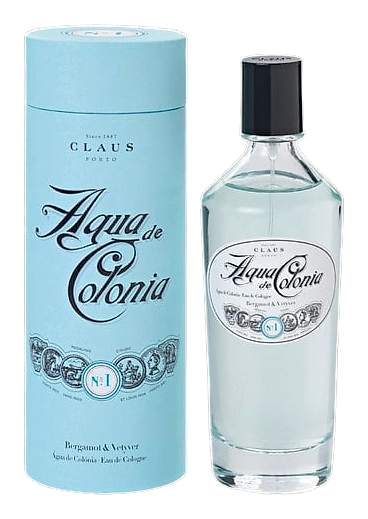
Agua de Colonia No.1 Bergamot & Vetyver reads as a deliberate gesture back toward the older idea of what a cologne can be, the kind of citrus-led composition that earned the form its name before the shelves filled up with louder ambitions. Bergamot steps forward immediately, bright and slightly bitter at the peel, the way real fruit smells when it hasn't been smoothed over into something generic. The vetiver waits underneath, dry and rooted, giving the whole thing a sense of architecture that most citrus colognes skip past.
The reason it lasts past the handshake is the heart. Claus Porto weighted the middle with patchouli, jasmine, rose, and the namesake vetiver, which is why the citrus has somewhere to go instead of evaporating into memory. The vetiver isn't a quiet supporting actor; it's the structural column the whole composition rests against, dry and slightly smoky, the kind of root note you feel as much as smell. That choice makes the fragrance feel less like a splash and more like a second skin.
The evolution
The first 15 minutes belong to bergamot and tangerine, both glossy and just-bitter, the sharp green snap of citrus at its most articulate. There's a clean brightness to it, almost cologne-as-cologne, the reference point for the entire category, and it fills the air around you like a room you've just walked into. By the 30-minute mark the jasmine and rose nudge through, but they arrive dirtied by patchouli, so the florals don't read as a bouquet. They read as warmth. The vetiver lands around the same time, dry and slightly smoky, like the smell of a root pulled from warm soil. The composition stops feeling like a splash and starts feeling like a choice, the brightness settling into something denser and more considered. The drydown is where the formula earns its keep.
Cultural impact
Among the Claus Porto line, Agua de Colonia No.1 Bergamot & Vetyver sits closest to Agua Geranium, with which it shares a high similarity score on fragrance databases, but the vetiver and patchouli push it earthier and more grown-up than its siblings. Where the geranium leans green and leafy, this one drives straight down into the root, which gives it a different kind of seriousness without losing the lifted citrus that makes the whole line recognizable. Wearers tend to reach for it when they want the brightness of a classic cologne with the bones of something that lasts past lunch.