Red Grape
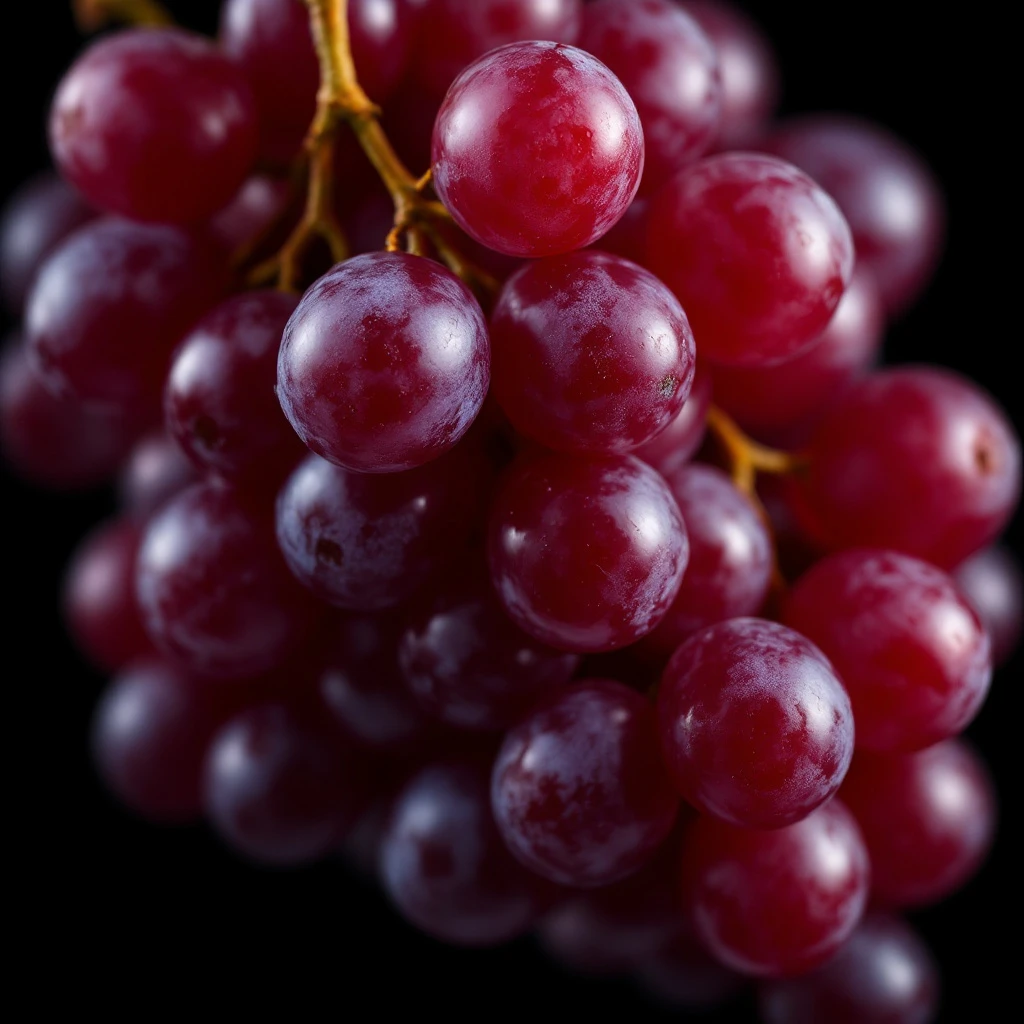
Red grape brings a lush, jammy sweetness to fragrance, capturing the weight of sun-ripened fruit at its peak. Its rich, wine-dark character adds depth and roundness to fruity, floral, and chypre compositions.
Character
How it smells
The sweet, sun-drenched scent of ripe grapes
Egyptian perfumers created grape pastilles as early as 2000 BCE, some of the first documented uses of fruit in fragrant preparations.




Origin
Georgia
Grapes rank among the oldest cultivated fruits, with archaeological evidence from Georgia dating viticulture to 6000 BCE. Ancient Egyptians incorporated grapes into fragrant preparations by 2000 BCE, creating early perfume pastilles alongside their renowned kyphi incense. Greek and Roman cultures elevated wine, and by extension grape, to sacred status, embedding it in religious ritual and daily life.
Pliny the Elder documented perfume production methods in his Naturalis Historia, though grape-specific techniques remained less common than floral or resinous materials. The Mediterranean climate proved ideal for viticulture, and distinct grape varieties emerged across regions, each carrying unique aromatic potential. European perfumers in Grasse initially used grapes primarily for wine production, reserving aromatic applications for specialized creations.
Only in the late 20th century, with advances in extraction technology, could perfumers fully explore the nuanced grape aromas hiding in their vineyard origins. Today, grape accord appears across fragrance families, valued for its ability to evoke abundance, warmth, and sophisticated fruitiness.
Wears it best
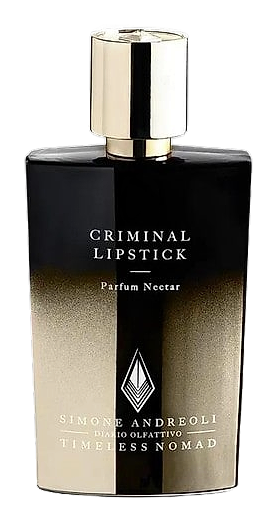
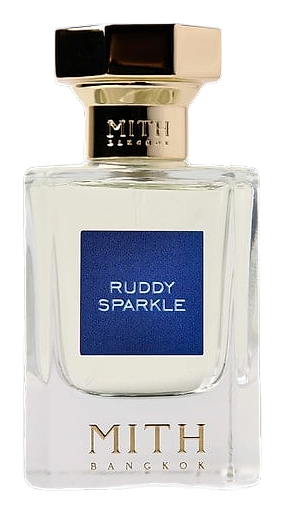
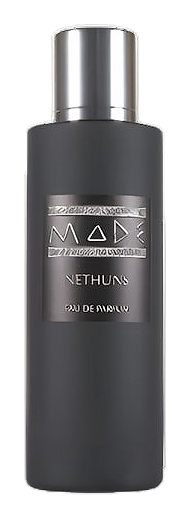
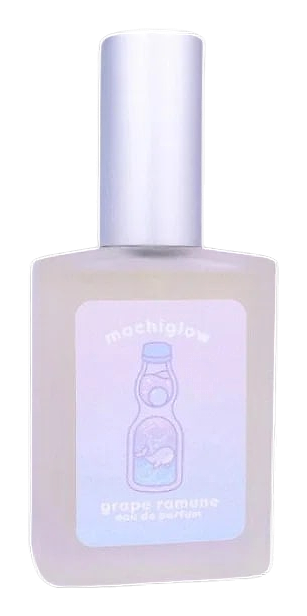
Fragrances featuring Red Grape
Brands
Brands known for Red Grape
Good to know
Questions, answered
The essentials on Red Grape in perfumery: how it smells, where it comes from, and how it behaves on skin.
What does red grape smell like in perfume?
Red grape in perfume delivers a rich, jammy sweetness with wine-like depth. The scent sits between fresh fruit and fermented grape, combining plump berry notes with a subtle tartness. Different grape varieties produce distinct profiles, from intensely floral Concord to lighter, greener iterations. Perfumers often blend multiple grape extracts to achieve balanced, nuanced fruity accords.
How is grape aroma extracted for perfume?
Grape aroma extraction relies on modern techniques because traditional steam distillation damages delicate compounds. Supercritical CO2 extraction produces a clean, concentrated aromatic paste. Headspace technology captures volatile compounds directly from living grapes. Solvent extraction yields a dark absolute used at low concentrations. Each method preserves different aspects of the grape's aromatic profile.
What fragrance families use red grape?
Red grape appears most often in fruity fragrances, where it provides a sophisticated twist beyond typical berry or citrus notes. Chypre compositions use grape to add warmth and depth to their mossy foundations. Gourmand fragrances incorporate grape for its wine-like richness. Less commonly, oud and woody fragrances feature grape for subtle fermented sweetness.
Is red grape a natural or synthetic ingredient?
Both natural and synthetic grape materials exist in perfumery. Natural grape absolute comes from solvent or CO2 extraction of grape material. Synthetic grape compounds like ethyl acetate replicate specific aroma molecules. Most professional fragrances use a combination, with natural extracts providing complexity and synthetics ensuring consistency. Pure synthetic grape accord lacks the depth of natural extraction.
Why cant grapes be steam distilled?
Steam distillation fails for grapes because the fruit lacks the oil glands found in bark, roots, or floral tissues. Grape aromatic compounds exist as trace volatile molecules distributed throughout the flesh, not concentrated in glands. High-temperature steam causes these delicate compounds to degrade or transform before collection. Modern cold extraction methods preserve the true grape character that steam distillation cannot capture.
Does grape variety affect the fragrance?
Grape variety significantly influences the final aroma. Concord grapes carry a distinctive fox grape character with intense floral and candy-like notes. Champagne grapes produce lighter, more aromatic qualities. Wine grapes vary by region and vintage, each harvest expressing its terroir. Perfumers select specific varieties or blends to achieve desired fruity, floral, or wine-like effects in their compositions.
What does red grape pair well with in perfume?
Red grape harmonizes with both fruity and darker fragrance elements. Berry notes like blackberry and raspberry amplify its lushness. Rose and iris add sophistication to grape's sweetness. In chypre structures, grape bridges fruity top notes with mossy, woody bases. Oud and wine-like materials deepen grape's fermented qualities, while crisp green notes provide contrast.
When does red grape appear in perfume dry down?
Red grape typically emerges in the heart notes of a fragrance, appearing within the first hour of wear. In many compositions, grape functions as a bridge between bright top notes and deeper base elements. Its staying power depends on concentration and supporting materials. Grape often lingers subtly through the dry down, providing persistent fruity warmth alongside foundation notes.