
The Story
Why it exists.
The beginning
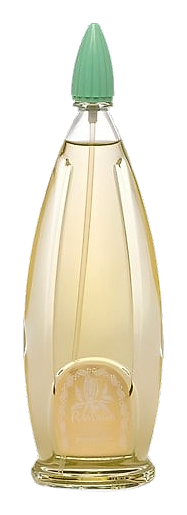
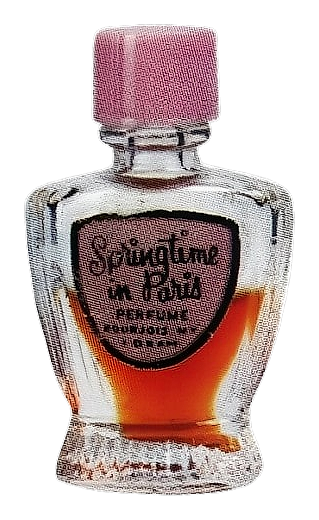
Springtime in Paris arrived in 1931, at a moment when the early decades of French perfumery were finding their stride and giving rise to compositions that would define the interwar years. The brand had already begun to establish a presence in the French beauty landscape, and by the late 1920s the company was developing a more refined approach to scent as a creative medium. This particular composition captured the optimism of early spring in the city, the season when Paris shakes off winter and the terraces fill again. The release placed the fragrance within a lineage of French floral work that valued restraint and romance over spectacle, a quiet expression of seasonal renewal rendered in a bottle.
The composition reads as a study in restraint, a floral arrangement built around the idea of spring arriving rather than overwhelming the wearer with bloom. What makes it distinctive is its era, a time when the classic floral character typical of its period was still the dominant vocabulary of French beauty, and this sits comfortably in that conversation. It's not trying to be avant-garde. It's a portrait of what the early 1930s considered romantic, the perfume equivalent of a spring morning light through an open window.
The evolution
On first spray, the composition lifts with a soft brightness that suggests new petals rather than anything sharp or aggressive, a sweetness that feels airy and lifted, more suggestion than statement. Within ten minutes, the bouquet begins to arrange itself, a floral heart building slowly, layer upon layer, a garden seen through glass rather than a bouquet held close. There's no aggressive projection here, no need to fill a room. The drydown settles into a gentle warmth over the next two hours, the florals softening into a base that clings to skin with the kind of closeness that feels personal rather than performative. It wears quietly, the kind of fragrance that registers more on the wearer than the people around them, and the trail it leaves settles into something soft and familiar as the hours pass.
Cultural impact
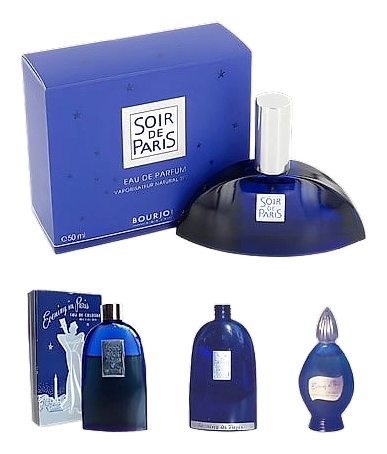
Springtime in Paris belongs to the early 1930s moment in French perfumery, a period that produced a number of floral compositions still spoken of with affection today. It sits in the same conversation as other Bourjois releases of the period, including Soir de Paris, which appeared in 1928. The fragrance captures the spirit of its launch year, a moment when French perfumery was finding a softer register after the more exuberant experiments of the previous decade. Its discontinuation has made surviving bottles objects of interest, fragments of a particular Parisian spring mood that the modern market no longer offers.