
The Story
Why it exists.
The beginning
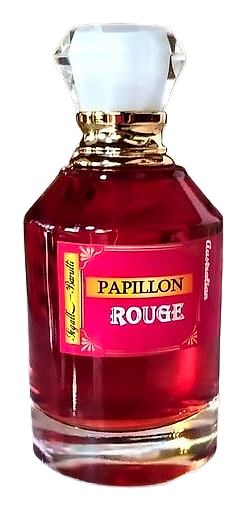
The name is a red butterfly drawn to sweetness, but moving with purpose. It's not the entrance. It's the hour after. The skin-aware, self-possessed interval when a fragrance stops announcing and starts simply being there. What the body knows without being told.
The tropical notes don't sit on top of the florals. They merge. Mango and red apple thread through honeysuckle and jasmine, creating a sweet-warm undertone that deepens the entire composition. Black orchid is the quiet anchor here, its slightly darker, more complex character keeps the sweetness from floating away. This is a fruity-floral that solves its own problem: how to be sweet without becoming ephemeral. The answer is density. Warm woods in the base, sandalwood, cedar, ground everything that came before. Musk keeps it close. The result is a fragrance that earns its name: something worth staying for.
The evolution
The opening announces peach blossom and citrus with immediate clarity. Honey follows, rounding the edges without softening them. The shift happens gradually. Peony and carnation build density without weight, and the heart begins to feel inevitable. Tuberose and black orchid take over. The white florals compress into something richer, more substantial. This is the phase where the fragrance stops being a composition and starts being a presence. The tropical notes, mango, red apple, honeysuckle, don't fade so much as fuse with the florals, creating a sweetness that deepens everything beneath it. Black orchid holds the sweetness in place, its darker character preventing any drift into something too light. The drydown is warm wood and close skin. Sandalwood and cedar form the base. Wildflowers and earthy notes keep it grounded. Musk stays. The florals exhale slowly. This is the part worth waiting for.
Cultural impact
Papillon Rouge arrives at a moment when Brazilian perfumery is gaining international recognition beyond its traditional agricultural role as a source of raw materials. Atelier Segall & Barutti, operating since 1993, has spent decades building a catalog of 80+ fragrances that prioritize narrative over commercial appeal. This 2025 release reflects a broader shift in niche perfumery toward regional identity, drawing on tropical florals and fruits that have historically been exported as ingredients rather than celebrated as the main event. The house's approach challenges the dominance of French and Italian fragrance traditions by asserting that Brazilian olfactory culture deserves its own space in the global conversation.
The House
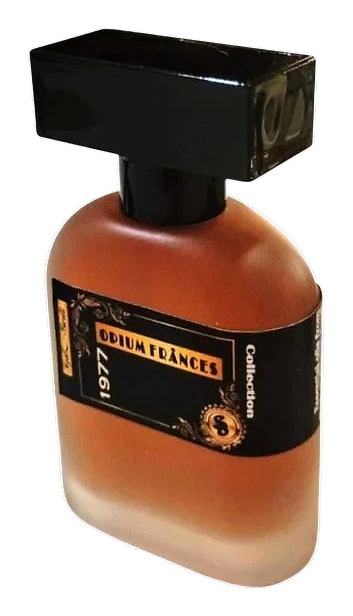
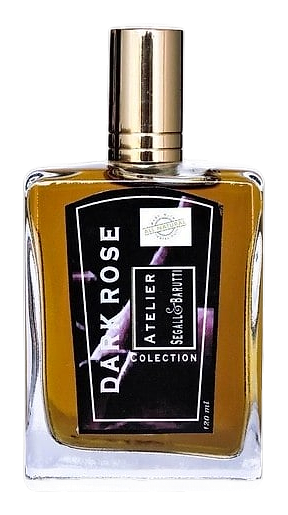
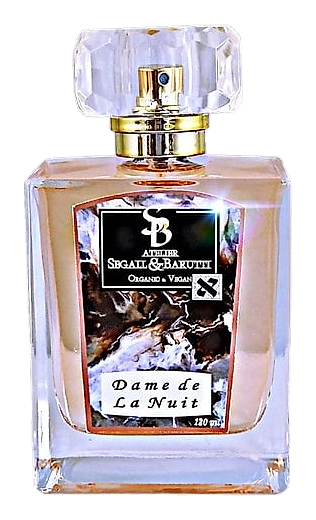
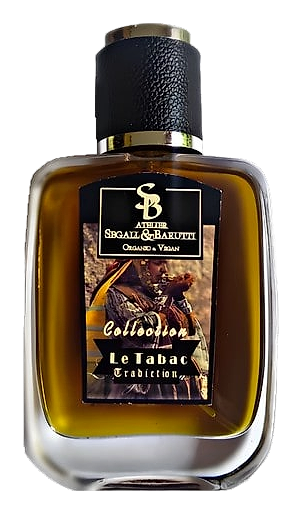
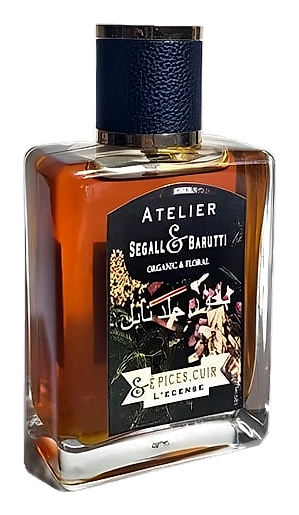
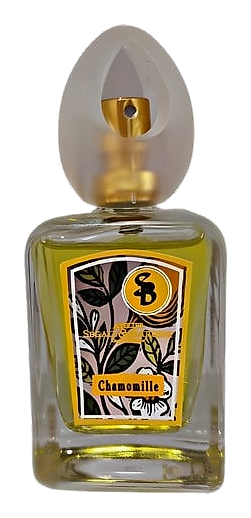
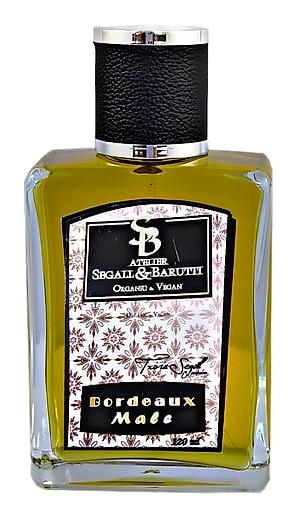
Atelier Segall & BaruttiAtelier Segall & Barutti is a niche fragrance house that builds its reputation on daring compositions and a willingness to explore unconventional scent structures. The brand’s catalogue, which stretches from the early 1990s to the present, includes more than 80 distinct creations, each positioned as a character study rather than a conventional perfume. Its releases—such as Rose Indian (2016) and Cyprus (2022)—show a consistent focus on narrative depth and material authenticity.
The Creator
Tzivia SegallHer signature technique involves layering transparent accords before anchoring them with a modest base of woods or resins. She prefers citrus zest, marine notes, and green herbs for top layers, then adds soft florals such as freesia or violet leaf.