The Story
Why it exists.
The beginning
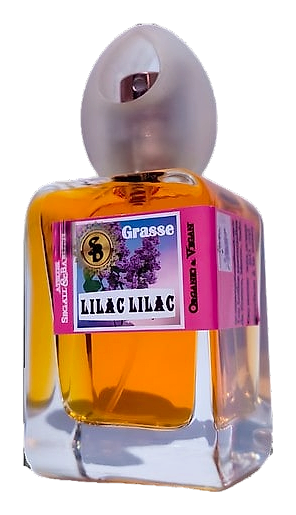
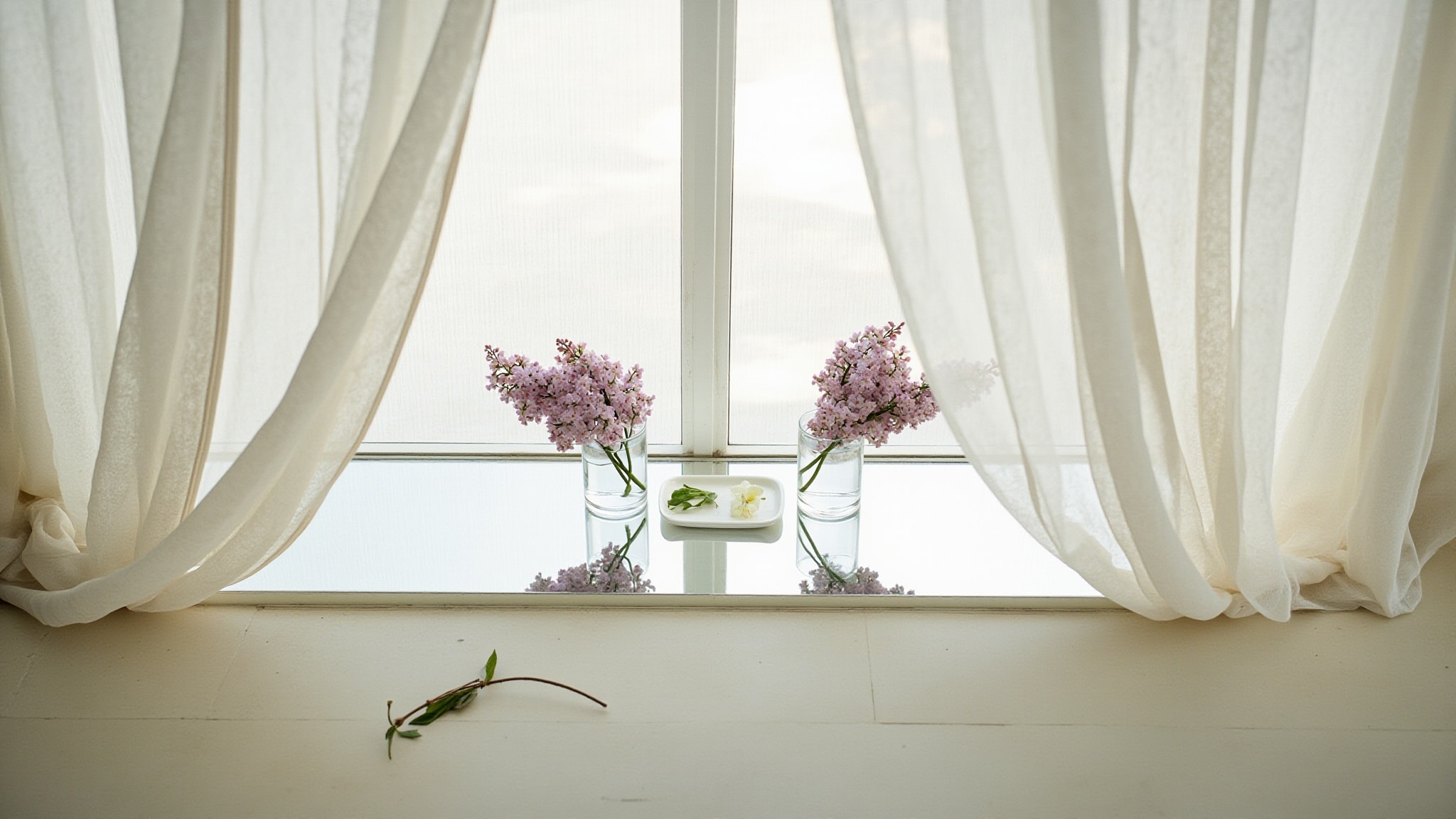
Lilac Lilac begins with its own name. Two times the same word, as if the house needed to say it twice to get it right. Atelier Segall & Barutti built this 2016 release around a single flower, but the doubling is the point, a study in reflection, in what a flower becomes when it looks at itself. The Brazilian house, known for treating each formula as a short story rather than a commercial exercise, gave the lilac a mirror. This is that mirror's result. Where most floral compositions lead with sweetness or green freshness, Lilac Lilac reaches for something cooler. The house reached past the expected, past the lilac hedge in May, past the grandmother's garden, and pulled in Calone, the synthetic ozonic molecule that gives aquatic fragrances their marine character. It is an odd material to pair with lilac. The house did it anyway. The name says it twice because the idea only makes sense once you've smelled it.
The odd pairing of lilac and Calone creates a paradox that runs through the entire wear. Lilac is cool, powdery, restrained, a flower that holds itself close. Calone does the opposite. It opens outward, pushes into the air, becomes a kind of atmospheric presence rather than a personal one. Together they produce a fragrance that should feel contradictory and instead feels inevitable. The melon bridges the gap. It brings a watery sweetness that aligns with both the ozonic lift and the lilac's natural softness. Wild strawberry, present in trace amounts, keeps the top from becoming too clean by introducing a faint green tartness, the kind you smell when you break the stem of a strawberry plant.
The evolution
The opening is where the contradiction announces itself. Lilac arrives not as a bouquet but as a temperature, cool, slightly ozonic, with the Calone immediately pushing it outward into the space around you. Melon follows, watery and soft, preventing the lilac from ever becoming too dense. For the first thirty minutes the fragrance reads as almost weightless, an atmospheric effect rather than a personal scent. The heart introduces the peony and lily of the valley, which do not so much deepen the fragrance as soften it further. Spices appear in the middle notes, a clove warmth that registers more as presence than heat, the kind of spice you feel rather than taste. The florals here are not trying to assert themselves. They are filling space, keeping the composition from collapsing inward. The ozonic quality persists, a cool thread running through the heart. The drydown is where the sandalwood and amber arrive. They do not rush.
Cultural impact
Lilac Lilac occupies a specific position in the niche market as a Brazilian artisanal house's take on an unexpected combination, lilac and Calone, that most mainstream houses would avoid. The pairing is not common, which gives the fragrance a distinct character among floral-aquatic releases. It commands a loyal following among enthusiasts who appreciate the structural tension at the heart of the composition.