Water Peony
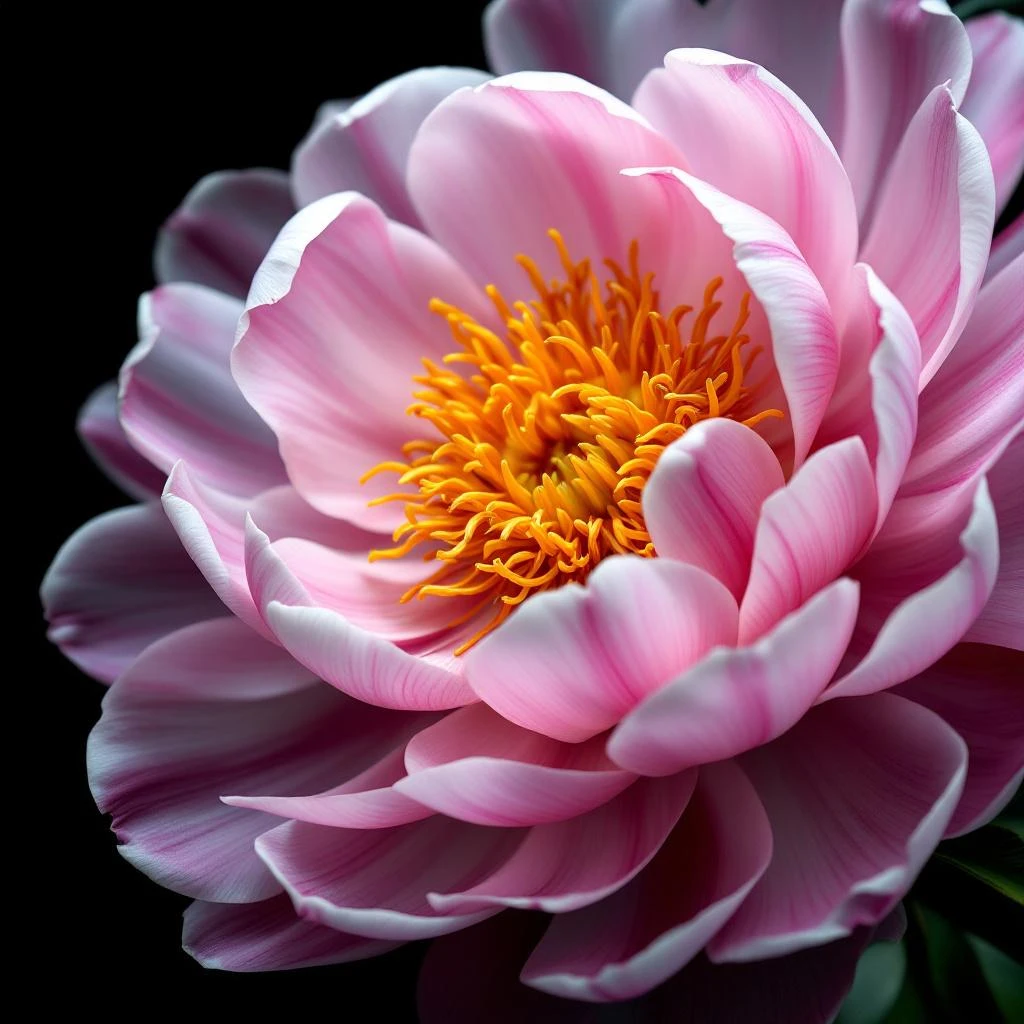
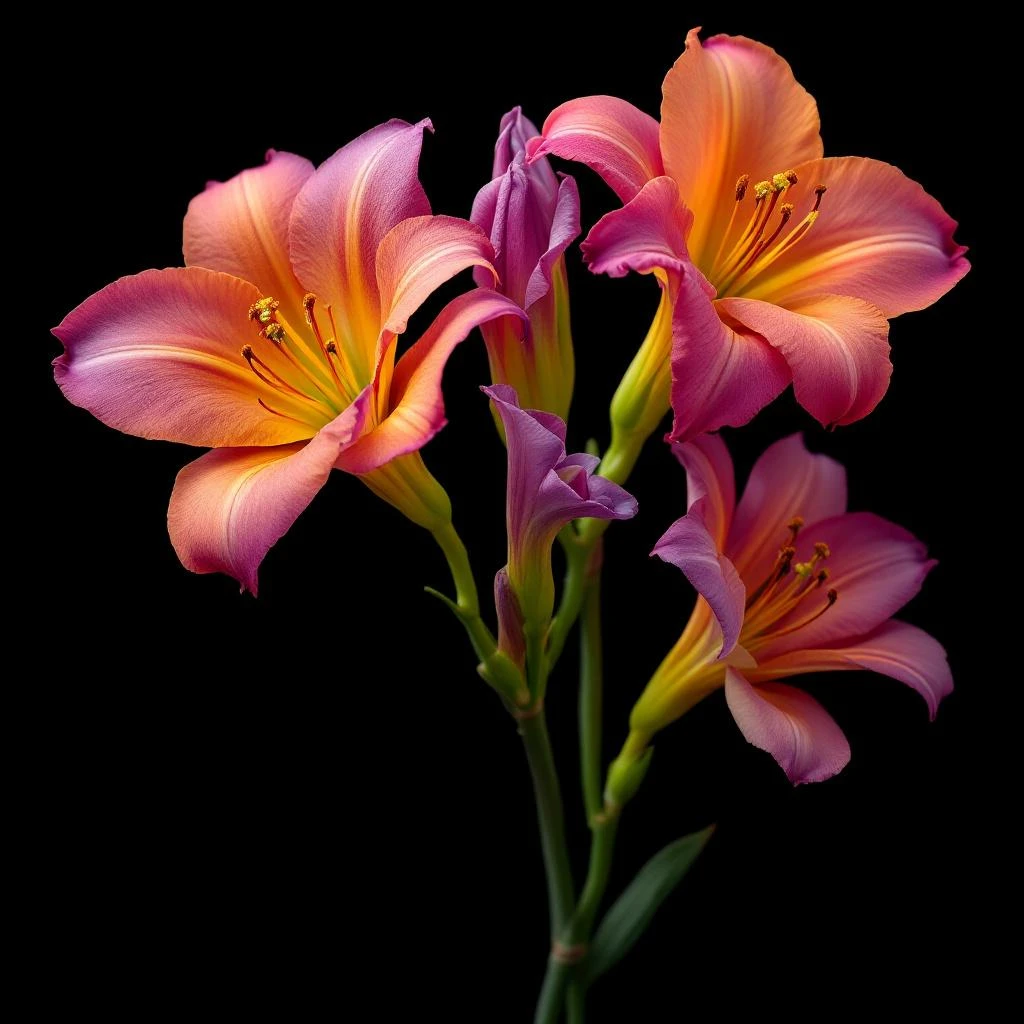
Water Peony captures the freshest face of this beloved flower: dewy petals, translucent florals, and a cool aquatic lift that evokes petals glistening after rainfall. A perfumer's invention born from impossibility.
Character
How it smells
Fresh floral fantasy, born from nature's limits.
Peony essential oil cannot be extracted commercially. Every drop of peony in perfume is a perfumer's accord, not a botanical extract.





Origin
China
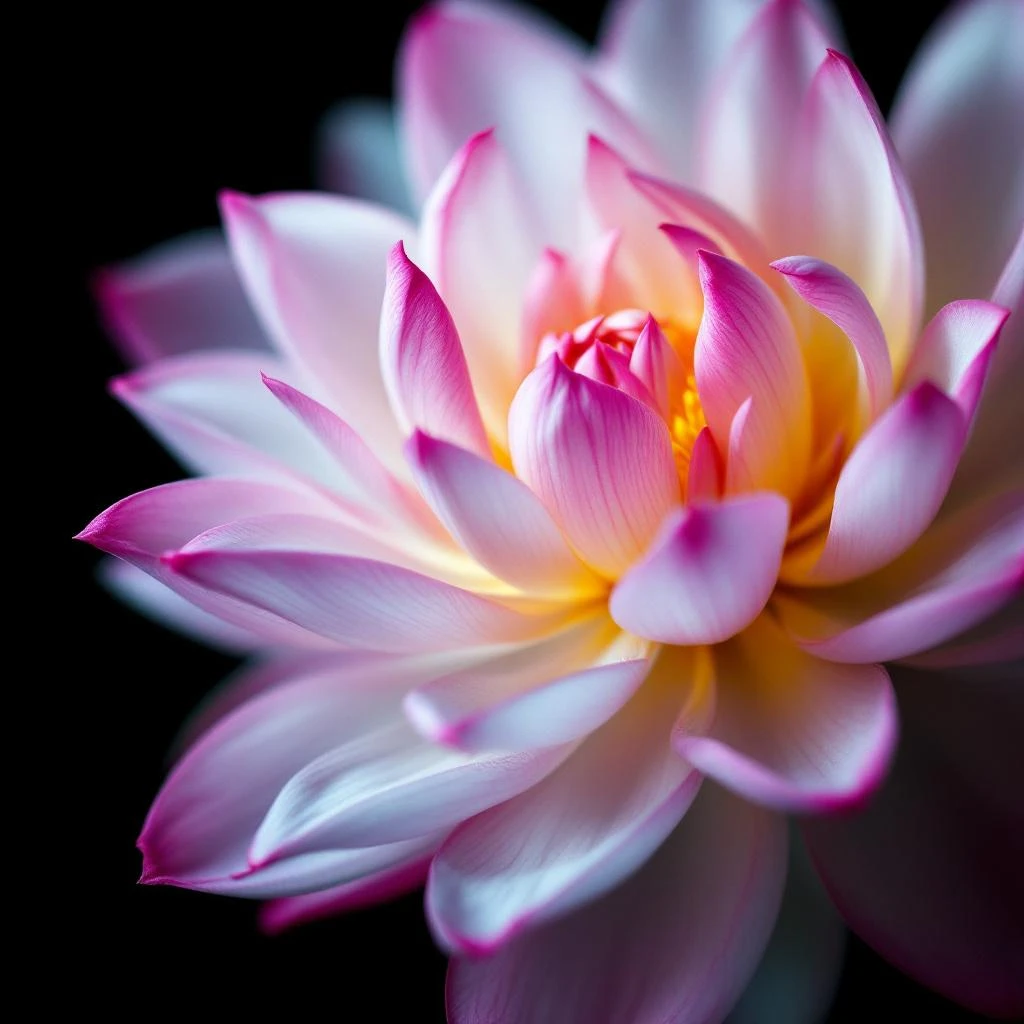
Peonies have grown in Chinese and Japanese gardens since before 200 BC, valued as ornamental plants and symbols of beauty, prosperity, and honor. Chinese sources from the Qin and Han dynasties document cultivation of these flowers for their decorative appeal. In Chinese and Japanese culture, the peony earned the title 'king of flowers' and remains a national emblem.
Greek mythology added another layer: nymphs were said to hide within the petals, giving the flower its association with bashfulness in the language of flowers. Peonies arrived in Western gardens centuries later, gracing estates across Europe. Despite centuries of cultivation, perfumers never succeeded in creating a true peony essential oil.
The contradiction between the flower's cultural prominence and its chemical inaccessibility drove perfumers to invention, creating the fresh, aquatic 'Water Peony' accord that defines the note today.
Wears it best
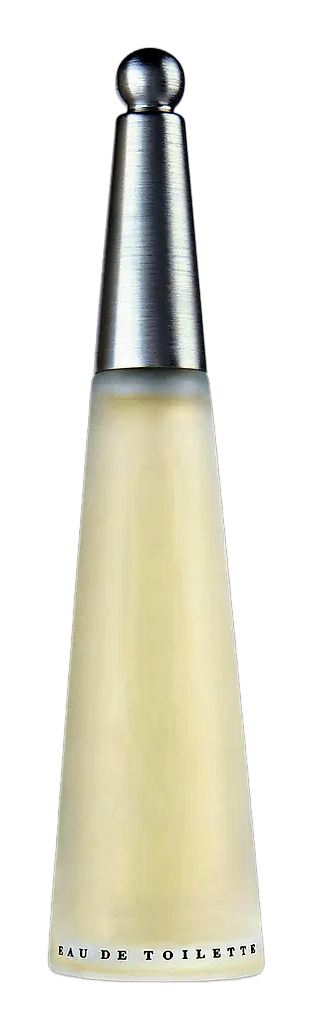
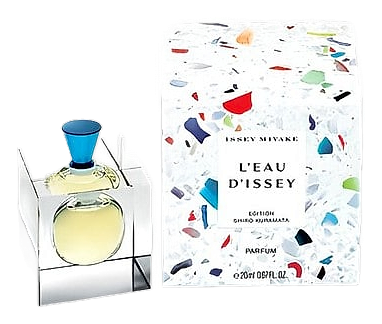
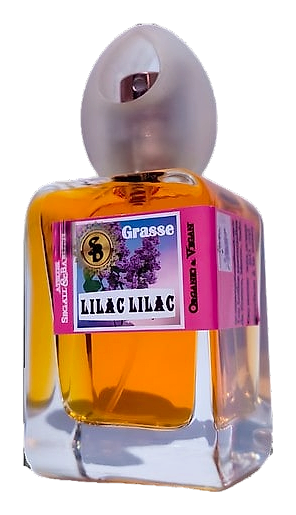
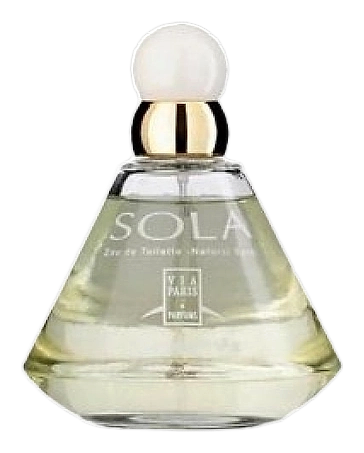
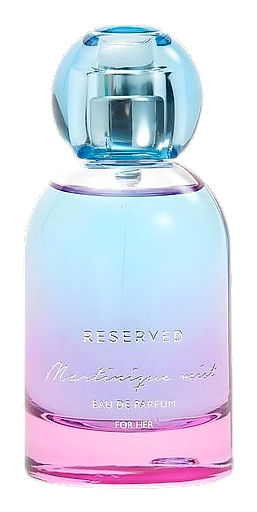
Fragrances featuring Water Peony
Brands
Brands known for Water Peony
Good to know
Questions, answered
The essentials on Water Peony in perfumery: how it smells, where it comes from, and how it behaves on skin.
What makes Water Peony different from regular peony notes?
Water Peony emphasizes the freshest, most translucent facets of the flower: dewy, slightly green, with an aquatic lift. Standard peony accords tend toward powdery warmth or rich florals. Water Peony captures the flower immediately after rainfall.
Is there a natural Water Peony extract?
No. Peony cannot be extracted commercially in sufficient quantities. Water Peony is a constructed accord made from aromatic molecules that mirror the fresh, watery character of the flower.
What does Water Peony smell like?
Fresh, transparent florals with a cool, watery quality. Expect dewy petals, subtle green stems, and a clean finish that recalls the scent of rain on flower petals.
What fragrance families pair well with Water Peony?
Water Peony works in soft florals, aquatic compositions, and romantic fragrances. It pairs naturally with rose, lily of the valley, magnolia, and aquatic notes like marine accord or ozonic molecules.
Which flower forms does Water Peony reference?
The freshest scent comes from flat, single-flowered peonies that open fully. Double-flowered forms tend toward richer, more powdery profiles, which the Water Peony accord deliberately avoids.
Why can't peony oil be extracted from the flower?
Peony petals are too delicate and produce insufficient essential oil to meet commercial demand. Extraction attempts yield material that does not survive the process intact, making natural peony oil commercially unviable.
Is Water Peony considered a natural or synthetic ingredient?
Water Peony is a perfumer's accord combining natural aromatic materials with carefully selected synthetic molecules. It is not a single extracted ingredient but a designed olfactory impression.
How long has peony been cultivated for fragrance purposes?
Peony has been cultivated since 200 BC in China, but only as an ornamental and medicinal plant. As a fragrance material, it has existed only as an accord for approximately 50-100 years, born from modern perfumery's need to solve the extraction problem.




