The Story
Why it exists.
The beginning
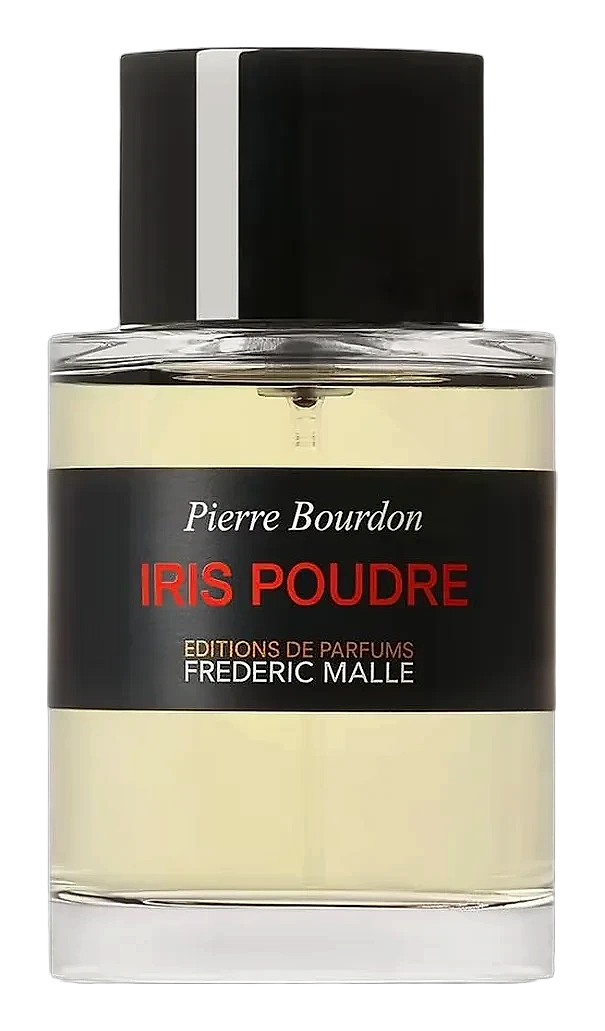
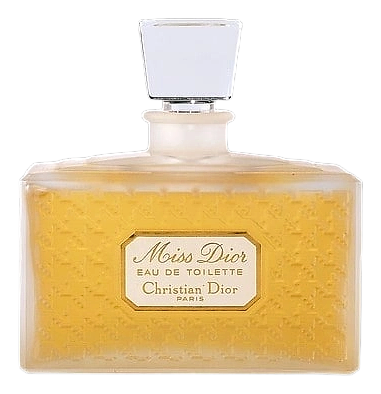
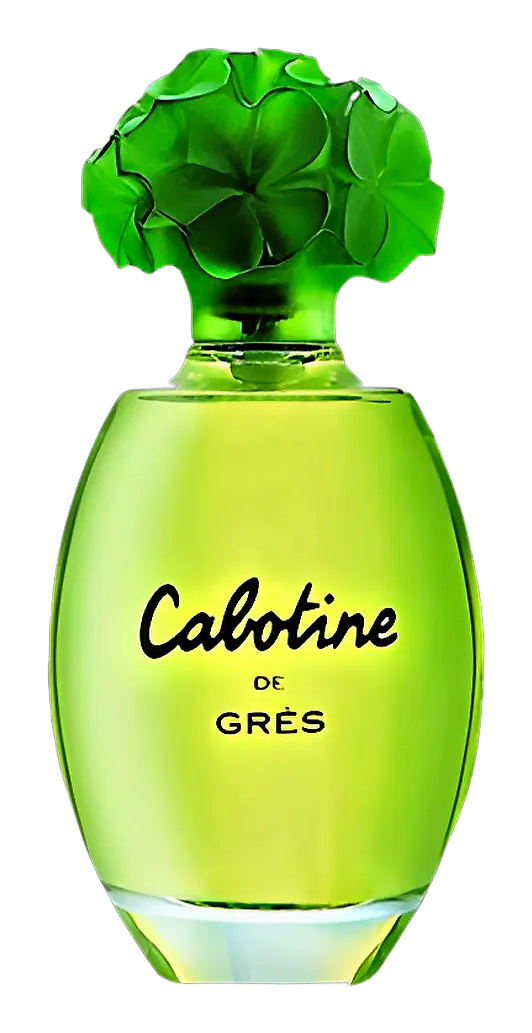
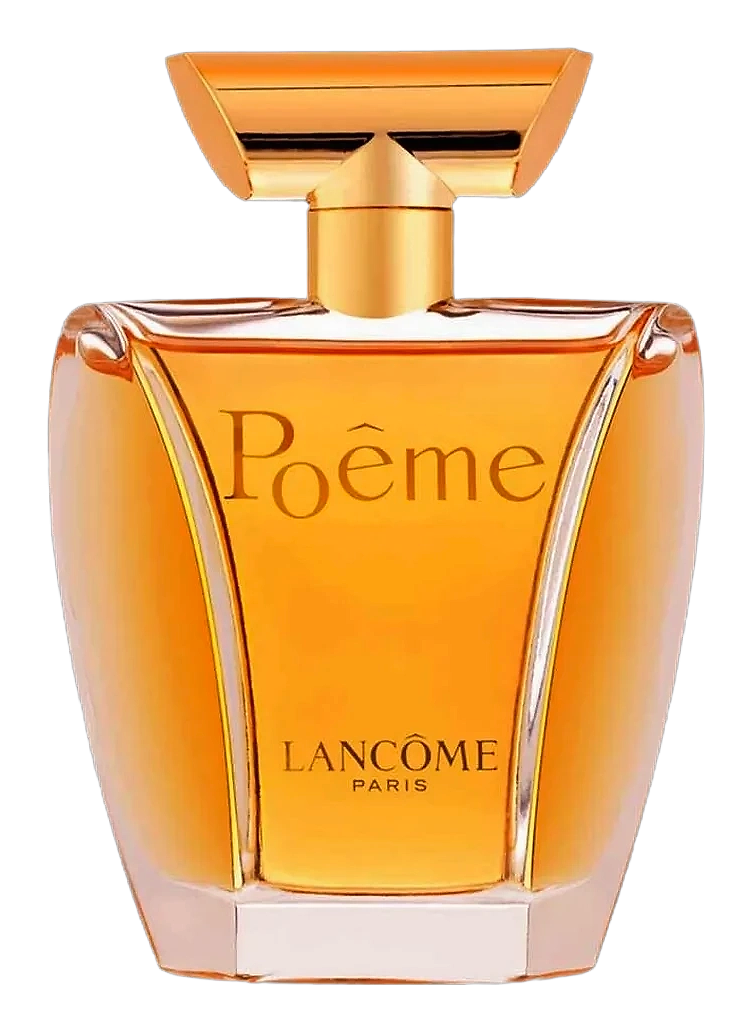
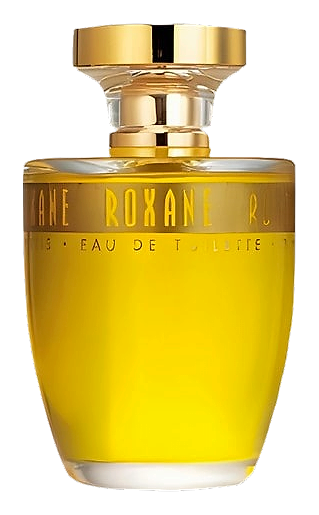
Roxane sits inside Arno Sorel's catalog, a house whose range runs from oud statements to lighter floral aldehyde compositions, and Roxane belongs firmly to the latter camp. It's a Floral Aldehyde built on a classical template: sharp sparkling top, white floral heart, creamy woody base. No official perfumer credit exists in available documentation, and the release year is unspecified. The structure itself draws from an old-form tradition, opening with the kind of aldehyde lift that announces itself without apology, then settling into a powdery iris center wrapped around jasmine and ylang-ylang before resolving into a base of sandalwood, vanilla, and amber. There's no mistaking the genre for anything other than what it is.
What makes Roxane worth attention is the aldehyde-to-iris ratio. Aldehydes are tricky: too much and you get soapy brightness that never lands. Here they crack open the composition, flash for the first ten minutes, then hand off cleanly to an iris-jasmine-lily heart that carries real weight. The ylang-ylang adds the indolic warmth that keeps it from reading as a bathroom product. The base is where Roxane earns its keep: sandalwood and vanilla in equal measure, with amber underneath, no sharp cedar edges.
The evolution
The first thirty minutes are pure aldehyde sparkle: bright, fizzy, almost metallic in the way aldehydes do when they're tuned right. Bergamot and lemon add the citrus scaffolding, neroli softens the edges. Then the aldehydes recede, and the floral heart takes over with full commitment. Iris dominates, but jasmine and ylang-ylang push against it, and the lily of the valley adds the green-aldehyde bridge that connects top to heart. By hour two, you're in powdered territory: iris and the early base notes meeting in soft, blurred focus. The drydown is where this fragrance settles into its real identity. Sandalwood and vanilla build a warm, creamy foundation. Amber deepens it. Musk smooths the edges. The cedar stays quiet in the background, doing structural work without announcing itself.
Cultural impact
Roxane occupies a specific place in the conversation around classical floral aldehydes, a genre with deep roots in twentieth-century perfumery. The composition builds on iris, jasmine, and a creamy sandalwood-vanilla base, executed with an attention to restraint that lets each ingredient carry its own weight. The aldehydes behave as a structural element, opening the composition with brightness and then yielding to the florals rather than dominating them. The restraint here gives the scent a different kind of value, one that comes from execution rather than novelty.