The Story
Why it exists.
The beginning
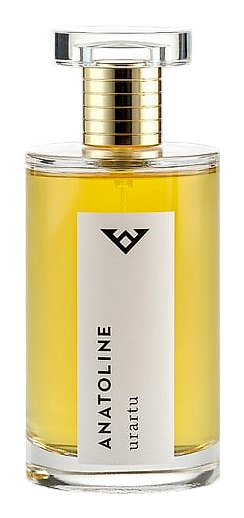
Urartu takes its name from the ancient kingdom and its place in Eastern Anatolia. Launched in 2018, it was created by Turkish perfumer Hüseyin Erdoğmuş, whose composition places a modern spicy oriental character against that historical reference. Its profile begins with bright citrus and pronounced cumin heat, then brings together rose, geranium, saffron, coriander, nutmeg, frankincense, and pepper. The base gathers amber, labdanum, patchouli, cedarwood, sandalwood, vanilla, and tonka bean into a warm finish. Urartu approaches the name through an aromatic reading of history, using spice, floral notes, resins, and woods to make the reference contemporary.
The unusual part is the collision of cumin and bergamot. Cumin brings a direct, almost savory heat, while bergamot keeps the opening lifted and polished. Around them, black and pink pepper add a flash of tension; rose, geranium, saffron, coriander, nutmeg, and frankincense turn that heat aromatic. The base changes the temperature again, layering amber, labdanum, patchouli, cedarwood, sandalwood, vanilla, and tonka bean into a warm finish. Together, the notes move from citrus and spice toward floral and aromatic accents, then settle into a denser base marked by woods, sweet notes, and amber.
The evolution
The first impression is a clean-edged burst of cumin and citrus, sharpened by pepper. That brightness gives way to the middle: rose and geranium bring a floral pulse, while saffron, nutmeg, coriander, and frankincense deepen the air around it. As the composition dries, the woods and resins take over. Cedarwood and sandalwood become more apparent, alongside patchouli and labdanum. Amber, tonka bean, and vanilla leave a soft finish, while the listed notes create a progression from bright citrus and spice toward floral, aromatic, woody, and sweet facets. The arc moves from an energetic opening to a warmer, more substantial drydown.
Cultural impact
Urartu draws interest through its meeting of explicit cumin heat, floral notes, and resinous warmth. The composition begins with cumin and bergamot, adds black and pink pepper, and develops through rose, geranium, saffron, coriander, nutmeg, and frankincense. Its base includes amber, labdanum, patchouli, cedarwood, sandalwood, vanilla, and tonka bean. Together, these notes give the fragrance a distinctive direction, combining an Eastern historical reference with a contemporary spicy oriental profile and a varied note structure.
The House
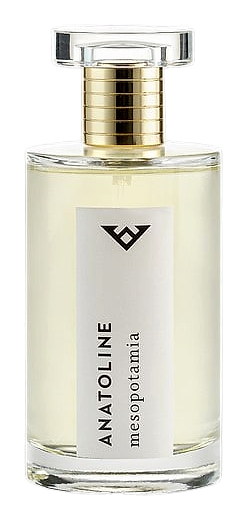
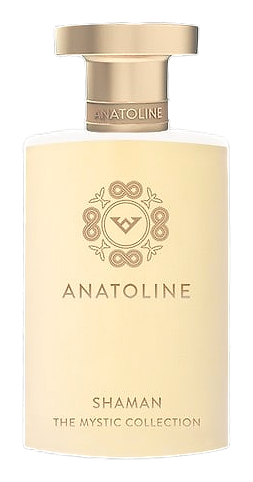
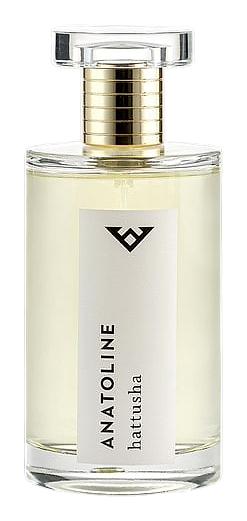
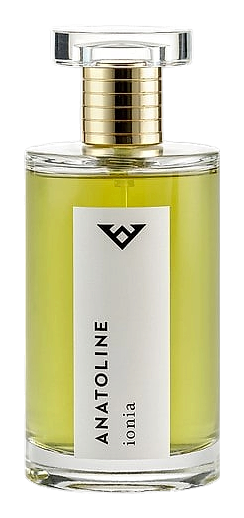
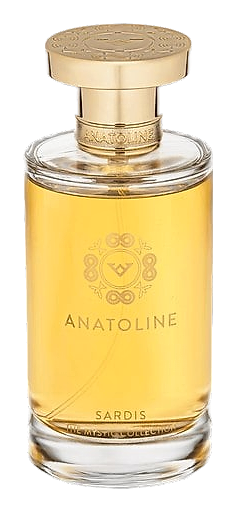
AnatolineAnatoline is a Turkish perfume house founded by Halil Ozer that draws its creative direction from the aromatic traditions of ancient Anatolia. The house positions itself as a bridge between archaeological discovery and contemporary perfumery, translating ancient formulas into modern olfactory experiences. Its collection includes named references to ancient civilizations and regions: Ionia, Hattusha, Mesopotamia, Urartu, Babylon, Phrygia, Sumerian, Gobeklitepe, Sardis, and the 2025 release An. Each fragrance carries a name tied to Anatolian or Mesopotamian heritage, reflecting the house's stated commitment to reinterpreting the region's scented history. The fragrances are created by Turkish perfumers working with the ancient formulas as departure points rather than strict reconstructions.
The Creator
Hüseyin ErdoğmuşIn the studio Erdoğmuş favors a methodical layering process: he builds a base from high‑purity essential oils, adds a heart of carefully selected absolutes, and finishes with a precise splash of synthetics that enhance longevity without masking the natural character. Rose, jas…