The Story
Why it exists.
The beginning
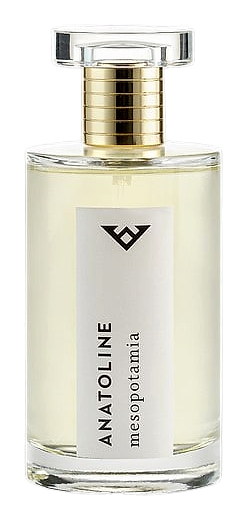
Mesopotamia draws its name from the cradle of civilization itself, the land between two rivers where perfumery arguably began. Anatoline launched this composition in 2018, placing black rose at center stage as the symbol of a region that illuminated palace courtyards for thousands of years. The Turkish house, founded by Halil Ozer around an ancient cuneiform formula discovered at Assur, treats each fragrance as a translation of archaeological memory into modern scent. Mesopotamia is their love letter to the half-forgotten origin point of everything we wear. Perfumer Hüseyin Erdoğmuş built the fragrance around Halfeti's black rose, a rare cultivar grown along the Euphrates. The brand frames it as an amulet, an object whispering ancient legends of lovers, separations, and reunions.
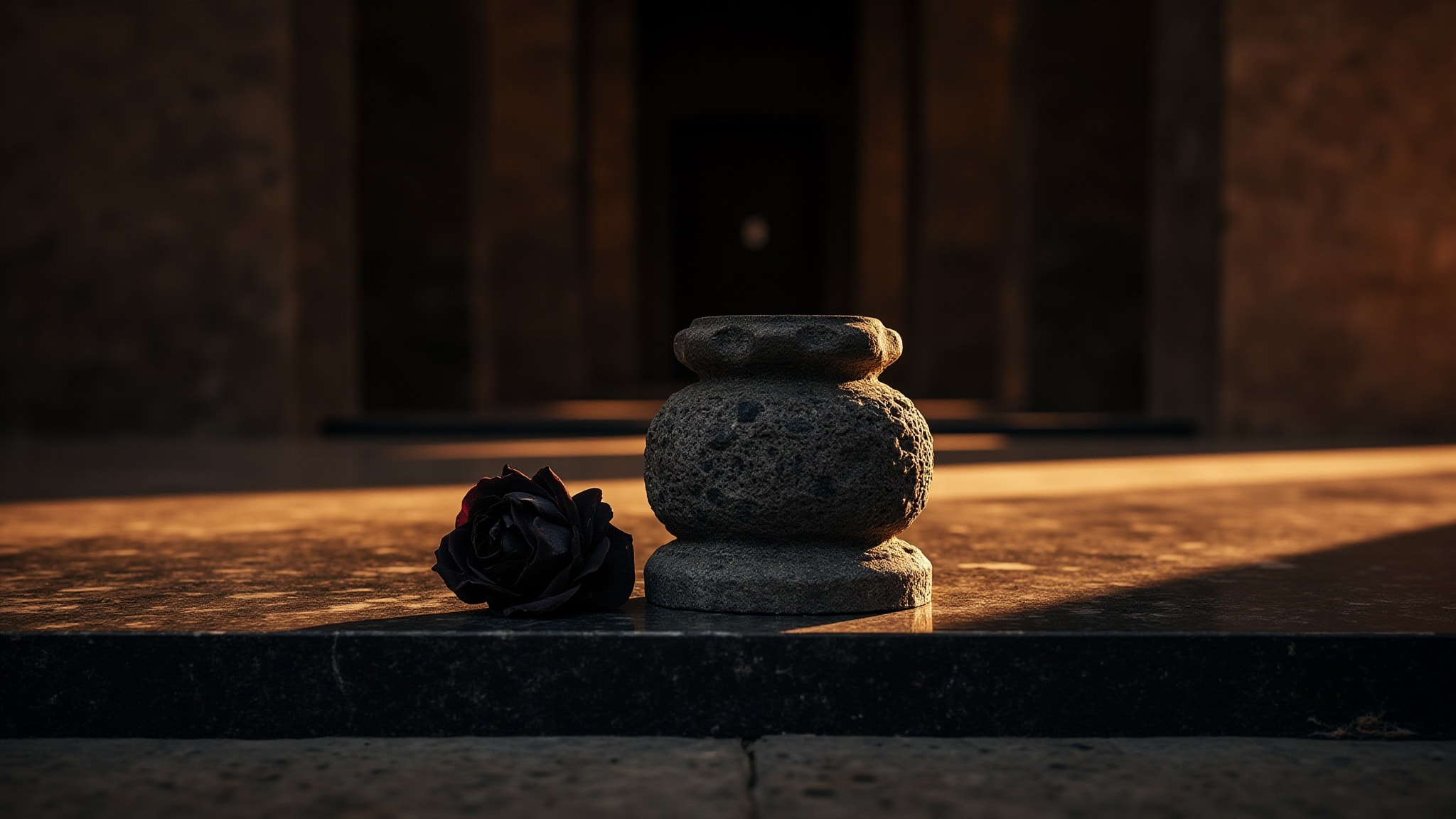
The Halfeti black rose is the structural gamble of the entire composition. Unlike common Bulgarian or Turkish rose varieties, this near-black cultivar carries a deeper, wine-soaked character, less honeyed sweetness, more smoldering fruit. Pairing that singular flower against patchouli, tonka, oud, and sandalwood creates a tension that most rose fragrances deliberately avoid. Most rose scents aim for lift, for brightness. Mesopotamia pushes the opposite direction. It asks the rose to carry weight it usually doesn't. The oud here matters too. Agarwood rounds the base alongside sandalwood and amber, anchoring what could have been a fleeting floral into something that behaves more like a resin than a perfume.
The evolution
The first hour belongs entirely to black rose. It arrives dark, almost bruised, carrying the wine-stained depth that Halfeti's cultivar is known for. No citrus to distract, no bergamot lift. Just rose, dense and unsmiling, the kind that makes you check whether you actually sprayed cologne or something stronger. The projection in this opening phase is confident but not aggressive. It sits close enough to feel personal, far enough to register. After 90 minutes, patchouli and tonka bean begin to surface. The rose doesn't vanish, it absorbs them. Earth and sweetness fold inward, the composition gaining a smoky, almost powdered warmth. This is the heart phase, and it's where Mesopotamia separates from typical rose-oud work. The blend reads less like "floral meets oriental" and more like a single material that was always both. By hour three, the sandalwood and amber are fully visible, and what's left feels closer to glowing embers than any flower you started with. Rose is still traceable, but it shares the stage. The drydown stretches through hour six and beyond.
Cultural impact
Mesopotamia sits within Anatoline's Antique Collection, a lineup that names ancient civilizations as its creative north star. Wearers tend to be collectors already familiar with Turkish and Middle Eastern perfumery, people seeking rose compositions with genuine oud backbone rather than the lighter florals that dominate Western counters. The fragrance reads as serious without being inaccessible, a deliberate counterweight to the trend of stripped-down skin scents. In a market flooded with rose-adjacent launches, Mesopotamia's refusal to dilute earns it quiet respect among enthusiasts who want their florals to still weigh something.
The House
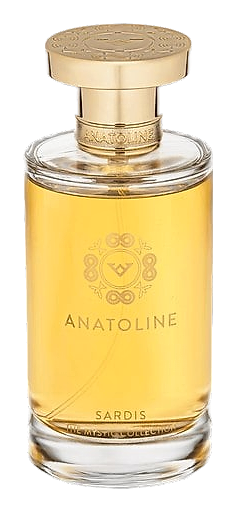
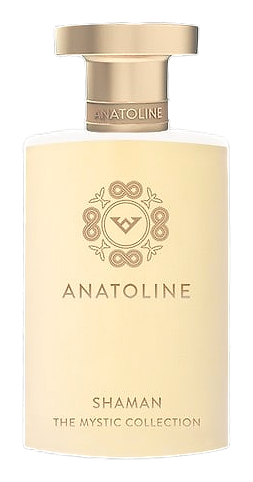
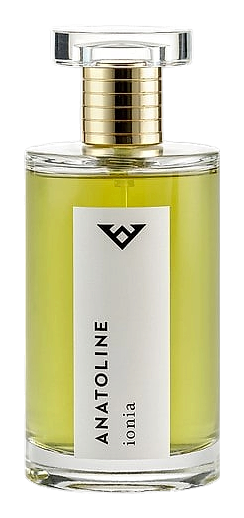
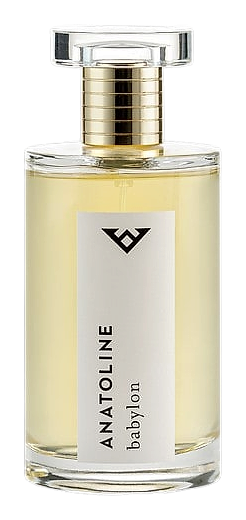
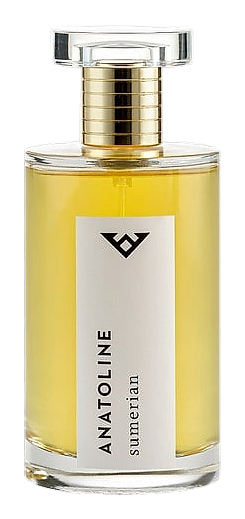
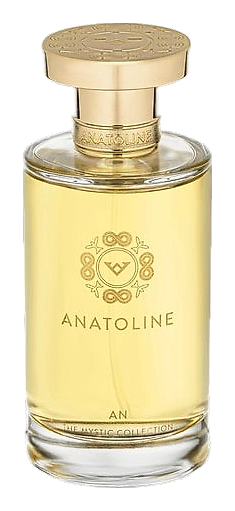
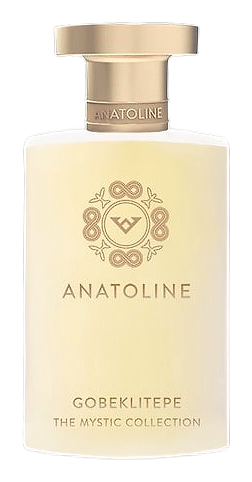
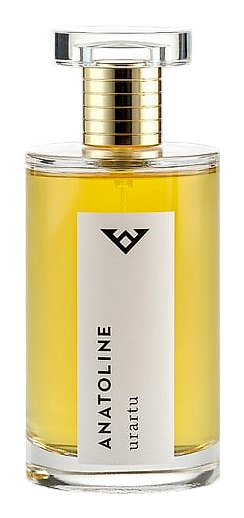
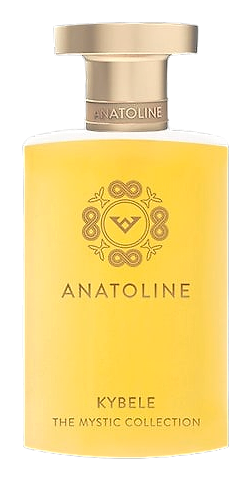
AnatolineAnatoline is a Turkish perfume house founded by Halil Ozer that draws its creative direction from the aromatic traditions of ancient Anatolia. The house positions itself as a bridge between archaeological discovery and contemporary perfumery, translating ancient formulas into modern olfactory experiences. Its collection includes named references to ancient civilizations and regions: Ionia, Hattusha, Mesopotamia, Urartu, Babylon, Phrygia, Sumerian, Gobeklitepe, Sardis, and the 2025 release An. Each fragrance carries a name tied to Anatolian or Mesopotamian heritage, reflecting the house's stated commitment to reinterpreting the region's scented history. The fragrances are created by Turkish perfumers working with the ancient formulas as departure points rather than strict reconstructions.
The Creator
Hüseyin ErdoğmuşIn the studio Erdoğmuş favors a methodical layering process: he builds a base from high‑purity essential oils, adds a heart of carefully selected absolutes, and finishes with a precise splash of synthetics that enhance longevity without masking the natural character. Rose, jas…