






Heritage
A house, in its own words
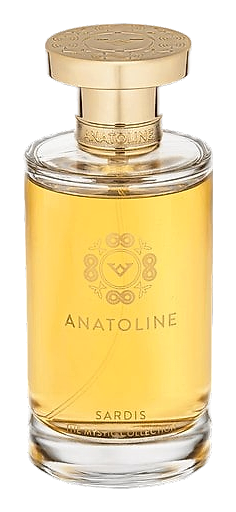
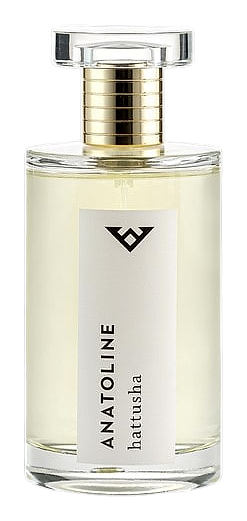
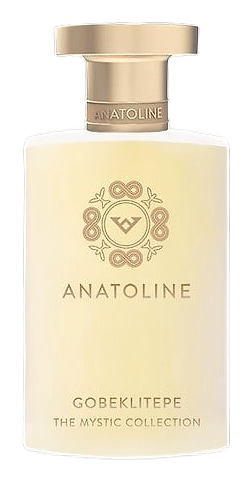
The origins of Anatoline trace to a discovery made by archaeologists during excavations in Assur, the capital of the Old Assyrian Empire. A cuneiform tablet was found bearing what is reportedly one of the earliest known perfume formulas, predating many other documented scent traditions. The formula listed specific ingredients including almond, coriander, myrtle, bergamot, and conifer resin. Researchers have dated the tablet to approximately the 4th or 5th century based on paleographic analysis. Halil Ozer established the Anatoline house to give this ancient knowledge a contemporary voice in the perfume world. The name itself combines Anatolia with the suffix -line, signaling a lineage or connection to that geographical and cultural territory. Since its founding, the house has expanded its catalog with fragrances named after ancient cities, regions, and civilizations connected to Anatolia and surrounding territories. The house operates from Turkey and collaborates with Turkish perfumers who translate the historical references into wearable compositions. The brand narrative rests on a genuine archaeological foundation rather than purely invented heritage, though the extent to which the ancient formula directly informs modern production remains somewhat opaque. What is clear is that Ozer identified a specific gap in the market for scents rooted in Anatolian aromatic history and moved to fill it with dedicated research and development. Anatoline operates from the premise that ancient civilizations possessed sophisticated understanding of aromatic materials that deserves modern interpretation rather than dismissal. The house does not claim to reproduce ancient perfumes exactly, given the inherent challenges of sourcing identical materials and recreating lost preparation methods. Instead, the philosophy centers on honoring the spirit of these early formulations while adapting them for contemporary tastes and chemistry. The fragrances function as creative interpretations filtered through modern perfumery knowledge. Each named release corresponds to a historical or geographical reference, suggesting a systematic approach to mining Anatolian and Mesopotamian heritage for olfactory inspiration. The house appears to value specificity over generality, choosing particular civilizations, cities, and periods rather than making broad claims about ancient perfumery. This scholarly approach distinguishes Anatoline from houses that reference history loosely or purely for marketing purposes. The involvement of Turkish perfumers ensures that the reinterpretations emerge from cultural insiders rather than external observers, which the house likely considers essential to maintaining authenticity in its mission to revive Anatolian scent traditions.