The Story
Why it exists.
The beginning
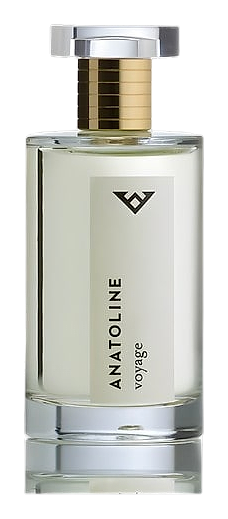
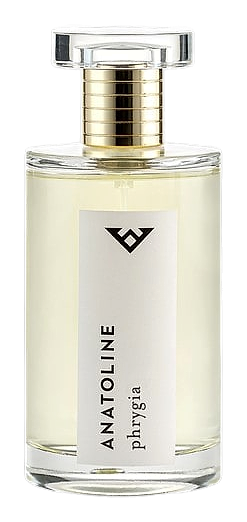
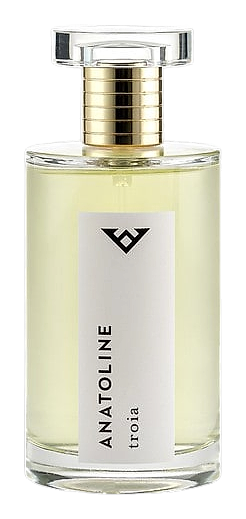
Anatoline built Troia in 2021 with perfumers Hüseyin Erdoğmuş and Hülya Şimşek. The name carries the force of the ancient city, but the fragrance itself is less concerned with retelling its history than with creating a vivid modern composition around contrasts. Bergamot and saffron establish a bright, spiced entry, while cannabis introduces a green herbal character. Frankincense and labdanum bring darker, warmer dimensions, and mint adds a brief flash of cool clarity. As these materials meet, the scent moves between luminous citrus, aromatic greenery, soft resin, and dry warmth. Troia is built for the space between brightness and depth, with each note changing the shape of the one before it.
What makes Troia worth your attention is the collision at its heart. Bergamot and saffron bring a citrus-spice brightness, vivid and finely edged. They meet cannabis, frankincense, and labdanum in a register that is darker without losing clarity. The cannabis note feels green and botanical rather than overtly smoky, placing a leafy quality beside the sharper opening. Frankincense adds a cool, slightly bitter aromatic dimension, while labdanum gives the composition a warm, rounded depth.
The evolution
The opening begins with bergamot and lemon, sharp and self-assured, while saffron adds a briny, slightly metallic heat. Pink pepper places a lively crackle beneath them, giving the citrus a fine granular texture. The heart changes the composition. Cannabis arrives green and herbal, closer to crushed leaves than smoke. Frankincense follows with a dense aromatic presence, and geranium introduces a cool, rosaceous counterpoint. Labdanum smooths the transitions with amber warmth, while mint cuts through briefly before the scent moves downward. Leather becomes dominant in the drydown, supported by patchouli's earthy depth and vanilla's restrained sweetness. Frankincense continues beneath the later notes, creating continuity as the composition settles.
Cultural impact
Troia is built around a leather-and-spice profile, with cannabis and frankincense giving the composition its distinctive aromatic structure. Bergamot, saffron, mint, geranium, labdanum, patchouli, and vanilla expand the idea in different directions, balancing brightness with darker, warmer notes. The result is a fragrance for wearers drawn to complexity, especially those who enjoy a clear leather presence accompanied by green, resinous, and gently sweet layers. Rather than relying on a single dominant impression, Troia moves between contrasts: citrus and spice, herbs and woods, sweetness and dryness.
The House
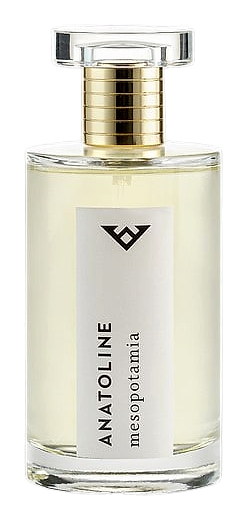
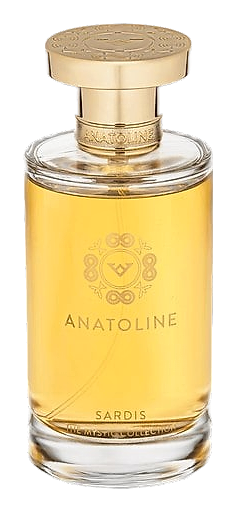
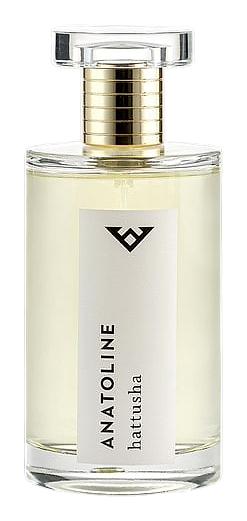
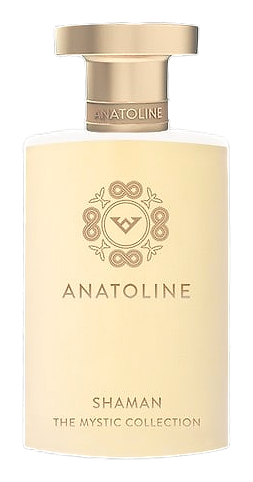
AnatolineAnatoline is a Turkish perfume house founded by Halil Ozer that draws its creative direction from the aromatic traditions of ancient Anatolia. The house positions itself as a bridge between archaeological discovery and contemporary perfumery, translating ancient formulas into modern olfactory experiences. Its collection includes named references to ancient civilizations and regions: Ionia, Hattusha, Mesopotamia, Urartu, Babylon, Phrygia, Sumerian, Gobeklitepe, Sardis, and the 2025 release An. Each fragrance carries a name tied to Anatolian or Mesopotamian heritage, reflecting the house's stated commitment to reinterpreting the region's scented history. The fragrances are created by Turkish perfumers working with the ancient formulas as departure points rather than strict reconstructions.
The Creator
Hüseyin Erdoğmuş & Hülya ŞimşekIn the studio Erdoğmuş favors a methodical layering process: he builds a base from high‑purity essential oils, adds a heart of carefully selected absolutes, and finishes with a precise splash of synthetics that enhance longevity without masking the natural character. Rose, jas…