
The Story
Why it exists.
The beginning
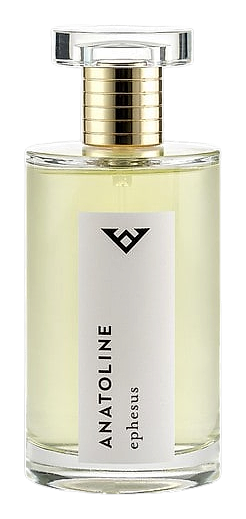
Ephesus takes its name from one of the great cities of the ancient world. The house of Anatoline built a catalogue of fragrances whose names nod directly to the classical past, and this entry sits within that Antique Collection as one of the more approachable examples. It is a 2021 release composed by Turkish perfumer Hüseyin Erdoğmuş, and the composition itself traces the legend of Ephesus not as ruins but as a lived-in landscape, translating stone, shade, and sunlit register into a contemporary scent. What makes the concept quietly compelling is the refusal to treat the place as a postcard. Ephesus here comes across more as a working city than a museum exhibit, which gives the composition room to breathe instead of locking it into incense-thick shrine territory.
What's quietly smart about this pyramid is the placement of sage alongside a fairly classical amber base. Sage has that dusty, herbal, slightly metallic edge, almost herbaceous in character, and it gives the whole composition a distinctly non-syrupy reading instead of letting the amber slide into its usual sweet, resinous default. Without that sage doing its work early, this would likely read as a fairly conventional amber composition, but its presence shifts the temperature a few degrees cooler.
The evolution
The opening belongs to the citruses, and they're given room to announce themselves clearly. Bergamot and lemon read bright and almost sour to start, with a faint green thread of something herbal tucked underneath. There's a brief sharp, almost hand-pressed-herb moment, the type of scent that clings to fingers after breaking a stem. As the composition moves into its middle phase, the citruses blur together and geranium arrives, and the heart turns warmer, dustier, and noticeably closer to the skin. White flowers are present but noticeably softened, more suggestion than statement, more hush than bloom. Once the drydown has fully taken over, the base settles into a close amber haze where amber, cashmere wood, cedarwood, sandalwood, and musk create a stable arrangement of materials.
Cultural impact
Within Anatoline's Antique Collection, Ephesus sits in a register that feels more open and daytime-oriented than some of the heavier classical releases, leaning on citrus, herbs, and warm woods rather than dense resin or heavy oud as its primary materials. The composition itself reads as classical landscape rendered in a more accessible key, with sun on stone, soft herbs, and gentle amber warmth in place of incense-thick intensity. For wearers who want the idea of an ancient-inspired fragrance without committing to the heavier, darker end of that spectrum, this is an approachable point of entry.
The House
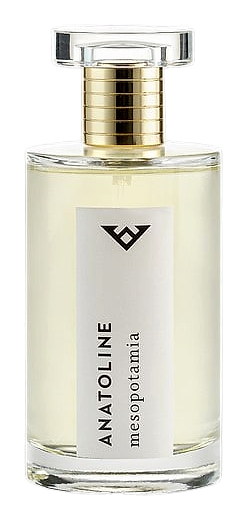
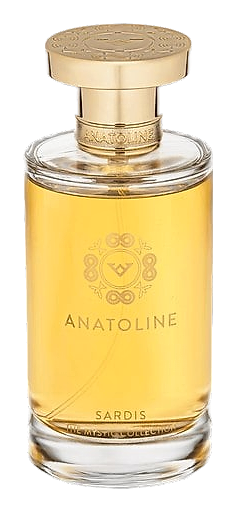
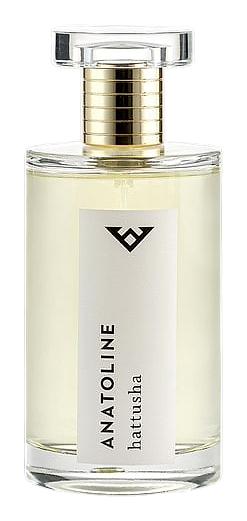
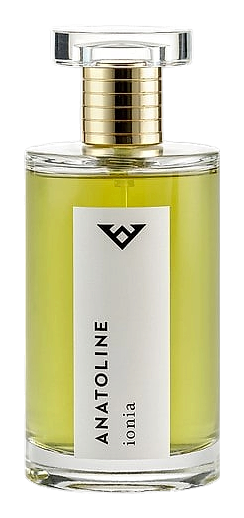
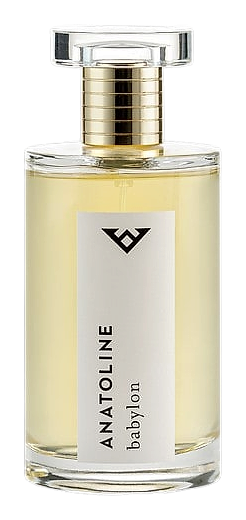
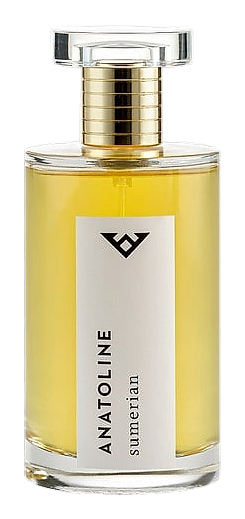
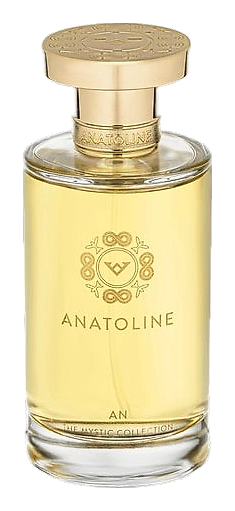
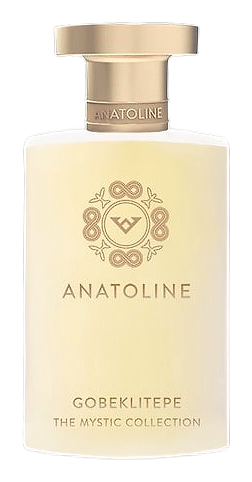
AnatolineAnatoline is a Turkish perfume house founded by Halil Ozer that draws its creative direction from the aromatic traditions of ancient Anatolia. The house positions itself as a bridge between archaeological discovery and contemporary perfumery, translating ancient formulas into modern olfactory experiences. Its collection includes named references to ancient civilizations and regions: Ionia, Hattusha, Mesopotamia, Urartu, Babylon, Phrygia, Sumerian, Gobeklitepe, Sardis, and the 2025 release An. Each fragrance carries a name tied to Anatolian or Mesopotamian heritage, reflecting the house's stated commitment to reinterpreting the region's scented history. The fragrances are created by Turkish perfumers working with the ancient formulas as departure points rather than strict reconstructions.
The Creator
Hüseyin ErdoğmuşIn the studio Erdoğmuş favors a methodical layering process: he builds a base from high‑purity essential oils, adds a heart of carefully selected absolutes, and finishes with a precise splash of synthetics that enhance longevity without masking the natural character. Rose, jas…