The Story
Why it exists.
The beginning
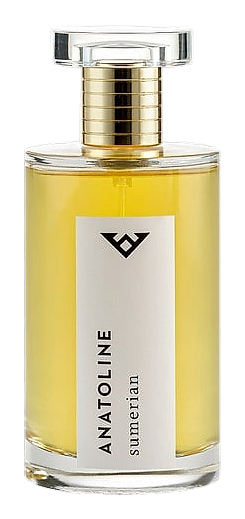
Sumerian launched in 2018 under the Anatoline name, with Mehmet Çelik composing its violet, saffron, tobacco, cedar, patchouli, and amber framework. The fragrance presents floral softness alongside dry wood, tobacco, and warm spice. Its character feels less like a literal reconstruction than a modern conversation with the past. Violet gives the opening a polished floral accent, while saffron adds warmth and spice. As the composition develops, tobacco and cedar deepen the center, patchouli brings a darker earthy texture, and amber settles the drydown with warmth. The structure moves from a bright opening to a measured spice-and-floral middle, then closes with a dry, woody, and slightly resinous finish that keeps its character close to the skin.
The unusual part is the contrast built into the pyramid. Violet and lily of the valley bring powdery delicacy, while saffron adds a metallic warmth. Bergamot and mandarin orange keep the opening bright enough to prevent the composition from becoming heavy. Tobacco, cedar, and patchouli then pull everything downward into a drier, more grounded finish, softened by amber. It's a fragrance built around handoffs, not a single loud gesture.
The evolution
The first impression is bright and gently textured: violet sits beside bergamot and mandarin orange, with clary sage adding a cool herbal edge. Together, the citrus notes lend freshness, while violet softens the opening with a light floral character. As the opening settles, saffron and lily of the valley bring a softer, spicier center, balancing sweet floral notes with a warmer aromatic accent. Then the composition changes register. Tobacco and cedar introduce a dry, woody shadow, while patchouli adds depth without losing the floral thread. Amber rounds the final drydown, leaving a warm, slightly resinous trail rather than a loud sweetness. Over time, the floral notes gradually recede, allowing the tobacco, cedar, and patchouli to define more of the composition.
Cultural impact
Sumerian sits within Anatoline's broader cultural register: ancient names, contemporary scent, and a deliberately interpretive approach to history. It is not a reproduction of an old formula, but a modern perfume that treats the past as an active reference point. For wearers drawn to violet florals, tobacco, and woody bases, the fragrance offers a less nostalgic way to engage with heritage naming.
The House
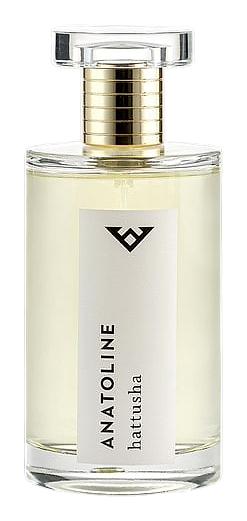
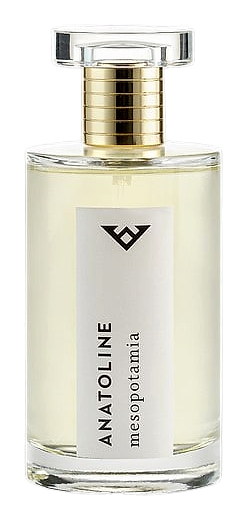
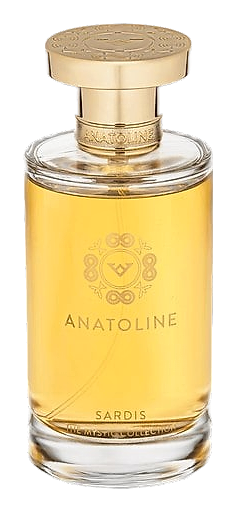
AnatolineAnatoline is a Turkish perfume house founded by Halil Ozer that draws its creative direction from the aromatic traditions of ancient Anatolia. The house positions itself as a bridge between archaeological discovery and contemporary perfumery, translating ancient formulas into modern olfactory experiences. Its collection includes named references to ancient civilizations and regions: Ionia, Hattusha, Mesopotamia, Urartu, Babylon, Phrygia, Sumerian, Gobeklitepe, Sardis, and the 2025 release An. Each fragrance carries a name tied to Anatolian or Mesopotamian heritage, reflecting the house's stated commitment to reinterpreting the region's scented history. The fragrances are created by Turkish perfumers working with the ancient formulas as departure points rather than strict reconstructions.
The Creator
Mehmet ÇelikThe stylistic fingerprint attributed to Mehmet Çelik, where it surfaces in industry conversation, points toward a perfumer comfortable in the tension between classical structure and regional material tradition. Reports suggest a preference for warm, resinous architectures, lea…