The Story
Why it exists.
The beginning
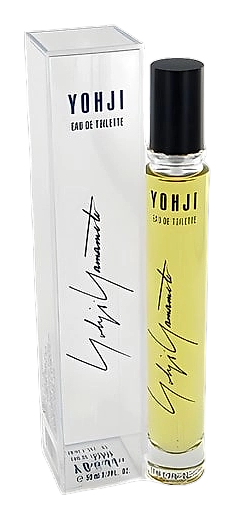
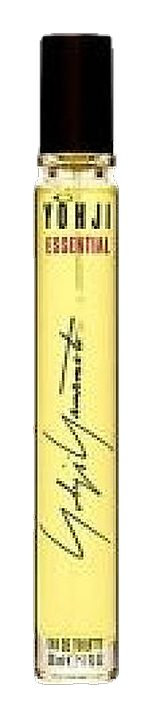
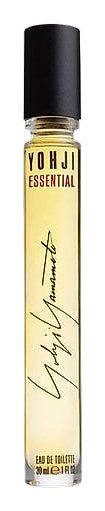
In 1998, Yohji Yamamoto released Yohji Essential, a chypre-floral composition built around galbanum's sharp green signature and a white floral heart that refuses to sweeten. The perfumer was Jean-Michel Duriez. Essential arrived with a specific brief: to be the core of a wardrobe, not an accent, not a flourish. The core of a wardrobe that already has the shape figured out. The galbanum at the top doesn't decorate. It draws a line. The florals at the heart don't perform. They hold the room steady. And the woody-amber base doesn't trail behind. It anchors, the way a hem weighs a coat. There's no theatrical opening, no confectionary trick to win you over in the first five minutes. The composition assumes you're paying attention, and rewards you for it.
What's worth noticing is the galbanum's tension with its supporting cast at the opening, a note arrangement that reads almost pharmaceutical before the chamomile softens it into something wearable. Flax leaves contribute a dry, papery green that adds texture rather than sweetness. Then the heart does something structural: ylang-ylang and freesia carry the sweetness while raspberry adds a tart, almost metallic fruit note that keeps the florals honest.
The evolution
The opening belongs to galbanum, full stop. It's sharp, vegetal, almost raw, the kind of green that makes you check whether something's been freshly cut. Chamomile and grapefruit arrive almost immediately to soften the edge, adding a faint herbal sweetness and a bright citrus snap that keeps the opening from feeling austere. Flax leaves add texture without sweetness, a dry, linen-like quality. As the composition develops, the galbanum recedes and the heart takes over. Ylang-ylang opens with its dense, custardy floral, but raspberry cuts through with tartness, almost jammy but held back. Freesia and lily of the valley add a cool, soapy clarity. Rose threads through everything, quiet but present. The whole heart reads like a white floral that remembers it has a spine. Later, sandalwood and patchouli settle in, warm and slightly resinous, with amber underneath adding a soft golden glow.
Cultural impact
Worn by people who treat getting dressed as a form of thinking, not self-expression. The chamomile and galbanum accord places it in a quieter pocket of 1998 masculine perfumery, where grapefruit opening and flax-leaf herbalness were treated as composition tools rather than crowd-pleasers. Essential speaks to a wearer who values architectural thinking in scent, the same eye for proportion and restraint that defines Yamamoto's design language. The galbanum-grapefruit opening reads less as a marketing hook and more as a structural choice, a way of establishing character before any sweetness enters the picture.