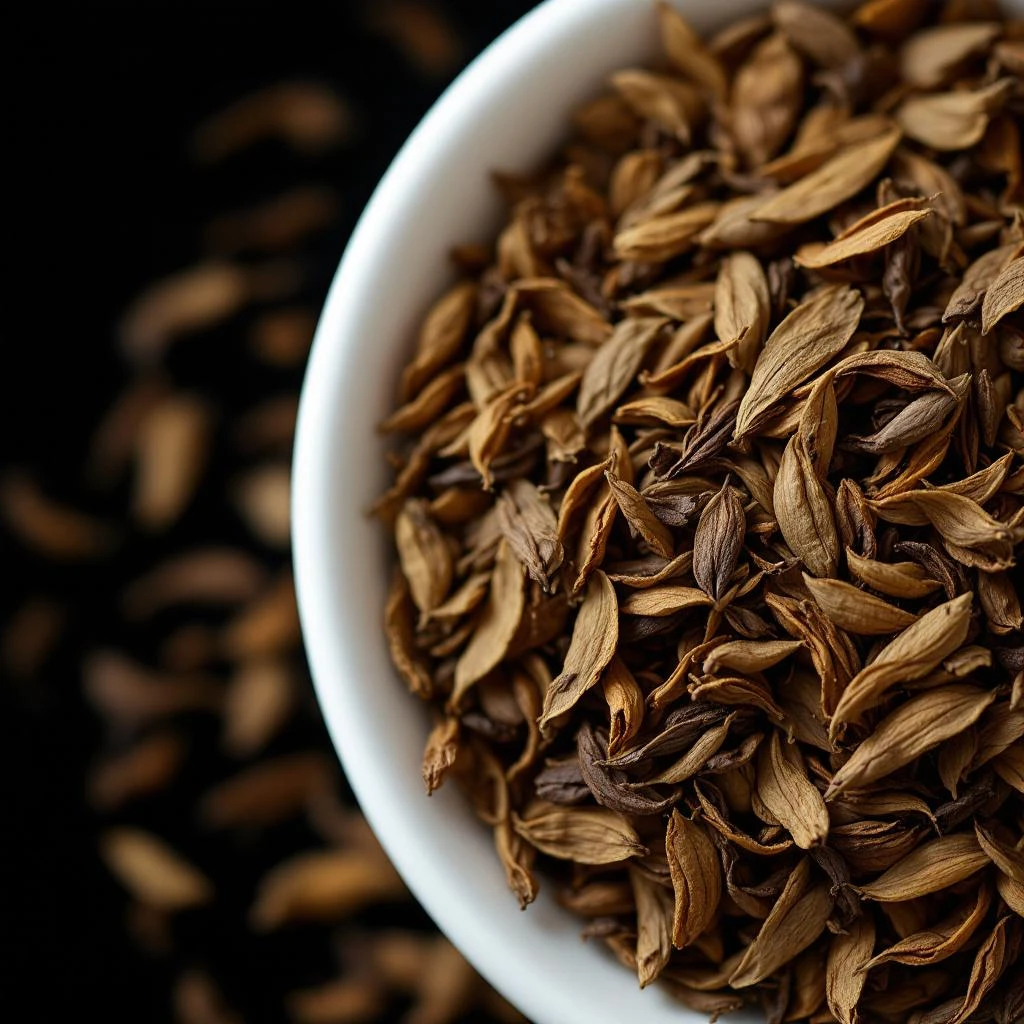
Flax Leaves
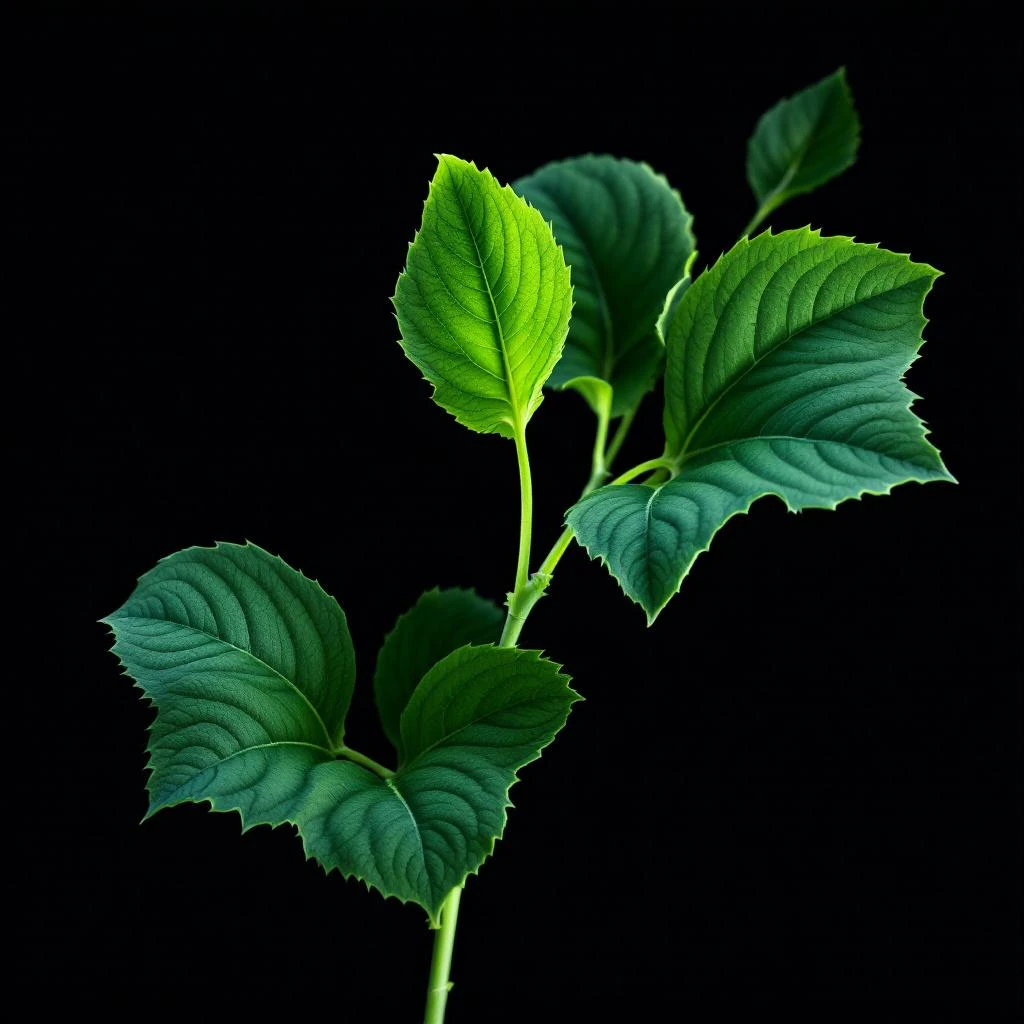
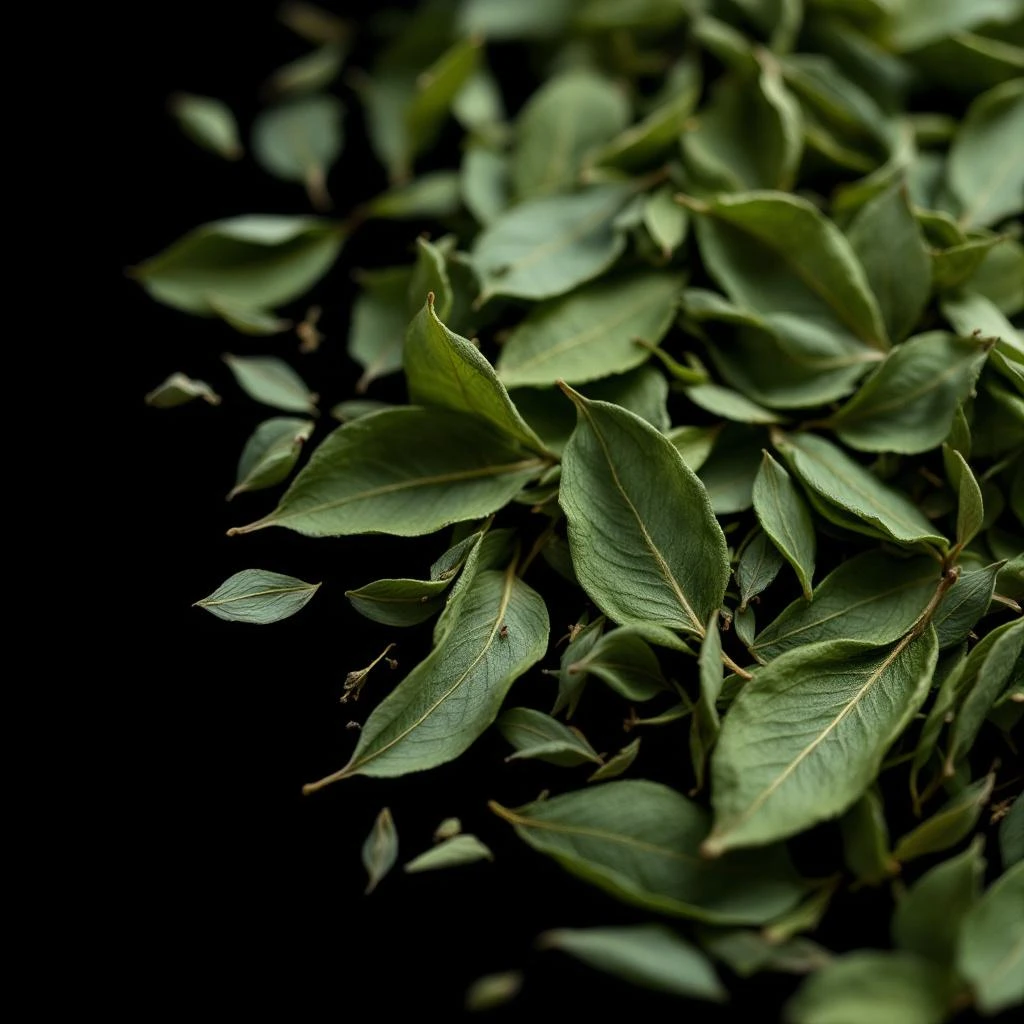
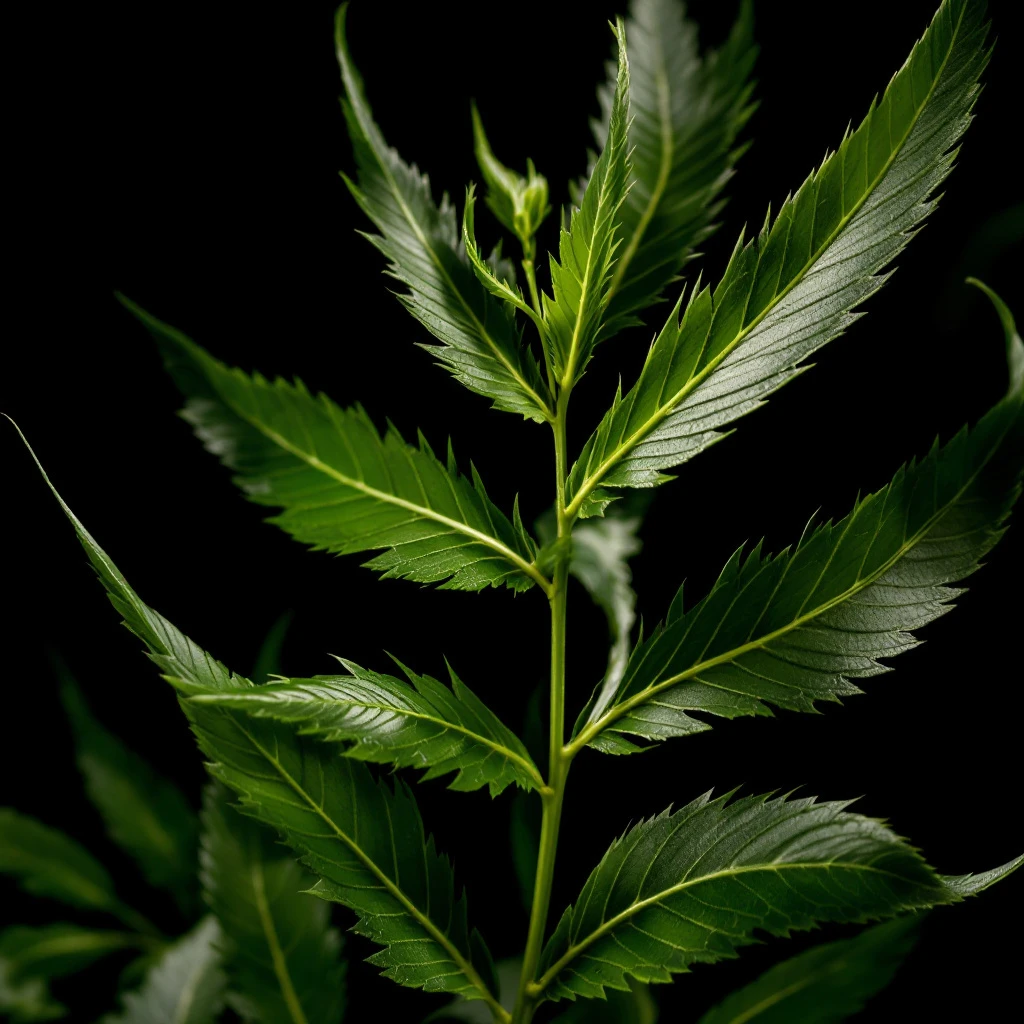
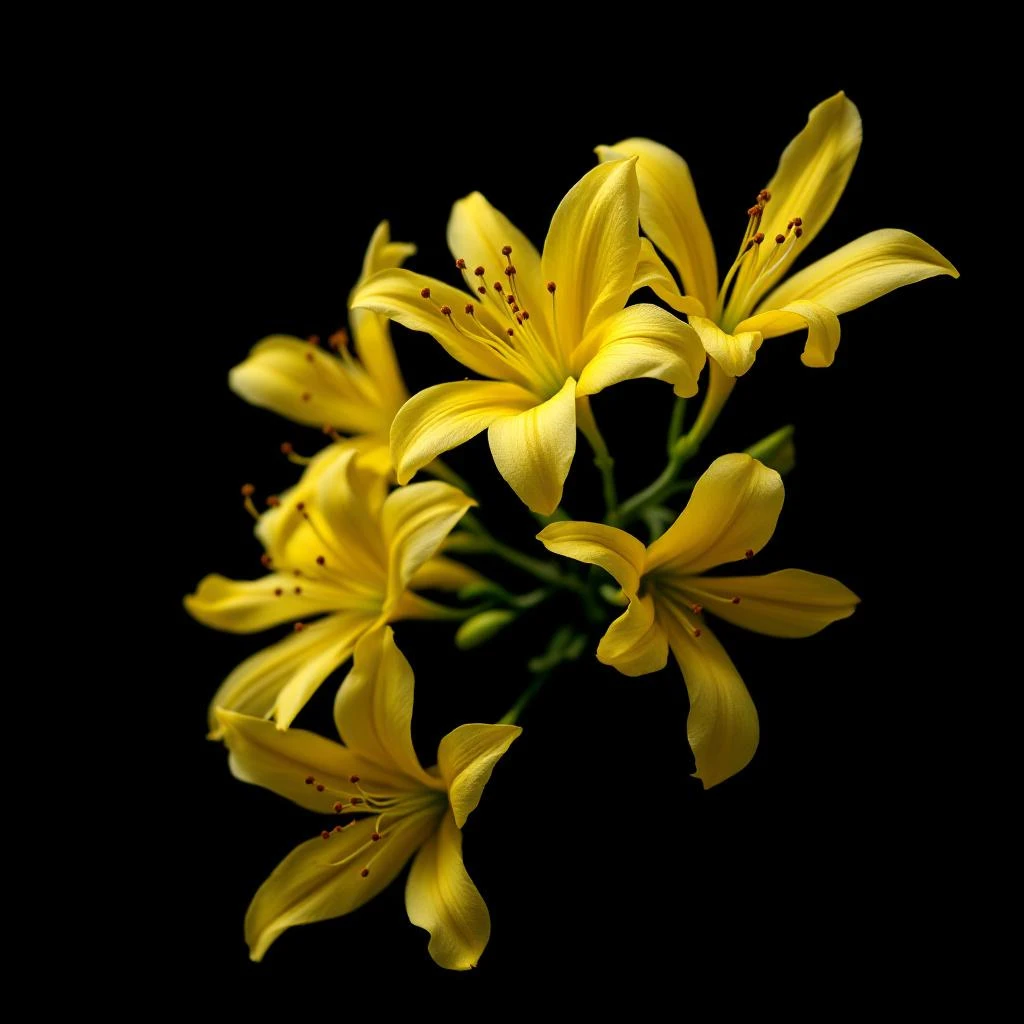
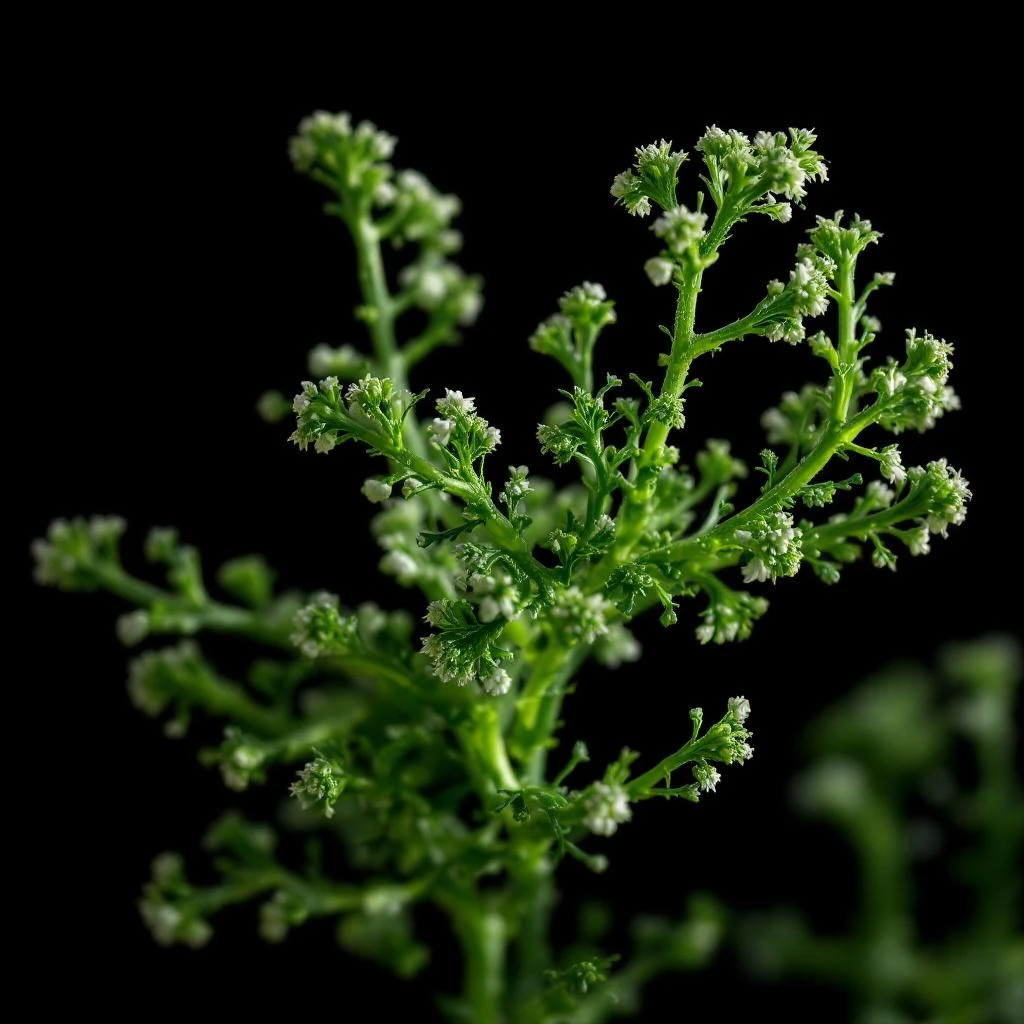
Flax leaves bring a quiet green whisper to fragrance composition. Sourced from Linum usitatissimum, this uncommon note offers soft, hay-like freshness with a cool, vegetal edge that grounds brighter top notes in natural stillness.
Character
How it smells
Green fields captured in a single leaf
Flax is one of humanity's oldest cultivated fiber plants, yet its leaves remain a rare find in modern perfumery, where the seeds and oil dominate commercial interest.




Origin
Egypt
Linum usitatissimum, the common flax plant, carries roughly 30,000 years of human history, with archaeological evidence suggesting its use in the Paleolithic era. Ancient Egyptians wrapped mummies in linen woven from its fibers, while the plant's seeds served as both food and medicine across Mesopotamia, where the Ebers Papyrus documented therapeutic applications around 1550 BCE. The Greek physician Hippocrates recommended flax for inflammatory conditions, and the Romans cultivated it extensively throughout their empire for sails, clothing, and lamp oil.
Despite this rich agricultural heritage, flax leaves never carved a traditional place in classical perfumery. The essential oil industry focused instead on more aromatic plants: rose, jasmine, lavender, and the resinous treasures of the Mediterranean. It was only in the late 20th century, as green notes gained favor in modern compositions, that perfumers began exploring unconventional botanical sources.
The rise of naturalistic and 'green' fragrance movements in the 1990s opened doors for overlooked materials like flax leaves, valued now for their quiet, authentic character rather than dramatic intensity.
Wears it best
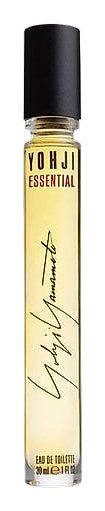
Fragrances featuring Flax Leaves
Brands
Brands known for Flax Leaves
Good to know
Questions, answered
The essentials on Flax Leaves in perfumery: how it smells, where it comes from, and how it behaves on skin.
What does flax leaf smell like in perfume?
Flax leaves produce a soft, green aroma with hay-like and slightly grassy nuances. The scent is understated and vegetal, offering a cool freshness that works as a supporting note rather than a dominant accord. It carries faint woody traces from the plant's fibrous structure.
Is flax leaf commonly used in perfumery?
Flax leaves remain uncommon in commercial perfumery due to low essential oil yield and subtle aromatic intensity. Most flax-derived fragrance materials come from the seeds (linseed oil) rather than the foliage, making true leaf-based notes a niche ingredient.
How is flax leaf fragrance extracted?
Steam distillation is impractical for flax leaves due to their delicate structure and low oil content. Solvent extraction captures the green, grassy character more effectively, producing an absolute that retains the plant's subtle vegetative qualities.
Where does flax originate?
Flax (Linum usitatissimum) was first cultivated in the Middle East, with archaeological evidence from the Fertile Crescent dating back roughly 10,000 years. Ancient Egypt became a major center for flax processing, using it primarily for linen production.
What fragrance families include flax leaf notes?
Flax leaves fit within green and herbal fragrance families, where their hay-like, vegetal character complements galbanum, fig leaf, and tomato leaf notes. They also appear in some fougère compositions, adding naturalistic depth to the aromatic structure.
Can flax leaf scent be replicated synthetically?
Partial synthetic reproductions exist, but the full complexity of fresh flax leaves proves difficult to capture. The interplay of green, woody, and faintly sweet elements from the natural plant material resists complete laboratory duplication.
Is flax the same as linen?
Flax is the plant; linen is the textile made from its fibers. The same Linum usitatissimum that produces linen fabric also yields the seeds and leaves used in food, oil, and fragrance applications, making it one of history's most versatile crops.
What pairs well with flax leaf in a composition?
Flax leaves pair naturally with other green notes like violet leaf and galbanum, as well as herbal elements such as rosemary and clary sage. Citrus accents brighten its subtle character, while white musks and light woods provide a clean, lasting base.