
The Story
Why it exists.
The beginning
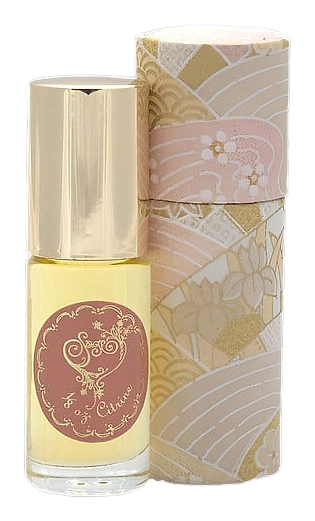
Citrine takes its name from a stone. The mineral itself carries a pale golden coloring, a hue long admired for its warmth and radiance, qualities the composition seems designed to echo. The fragrance opens with a bright burst of citrus, a cluster of sharp top notes arranged in sequence that catches attention quickly and lifts the mood. Beneath that initial brilliance sits a softer floral heart, a quieter arrangement that slows the composition down and gives it room to breathe. Rather than presenting a single dominant impression, the scent shifts between registers, from bright to soft and back again, holding attention through contrast rather than volume.
What's interesting here is the contradiction of the pyramid. The opening is bright and immediate, a cluster of citrus notes plus cassis arriving together in a single confident statement. Then the heart narrows to honeysuckle and sweet pea, moving through their qualities gradually rather than announcing themselves. The base pulls the whole thing back with iris and sandalwood under a layer of musk. That arc from citrus to musk is what gives Citrine its signature shape, a movement through registers that keeps the composition alive on skin rather than collapsing into a single mood.
The evolution
The opening presents a bold statement. Blackcurrant adds a tart lift to a wallop of yuzu, grapefruit, bergamot, and lemon, working together in a bright, sharp arrangement that reads as effervescent from the first moment. The citruses begin to recede as the composition evolves, and honeysuckle slides forward carrying its honeyed quality, followed closely by sweet pea's cooler breath. The heart stays present for a stretch, the florals offering softness as the composition shifts. Iris then takes prominence, that unmistakable powdery rooty note that contributes depth and a cooled undertone. Sandalwood arrives underneath, and the musk pulls the final arrangement skinward. What lingers the longest is the iris and musk combination, a quiet closeness that sits close throughout the wear. The format keeps the scent personal, evolving gradually rather than announcing itself in a single burst.
Cultural impact
Citrine by Sage Machado has earned a quiet following among those who notice fragrances beyond the obvious mainstream offerings. The perfume lineup, with its gemstone-inspired naming convention, catches attention for treating the names and notes as connected rather than arbitrary, a setup where the stone suggests the scent and the scent suggests the stone. Within indie fragrance circles, the brand's house format distinguished it from the usual alcohol-based competitors long before natural perfumery became a trending topic online, and small-batch presentation has kept the compositions feeling intentional rather than mass-produced.
The House
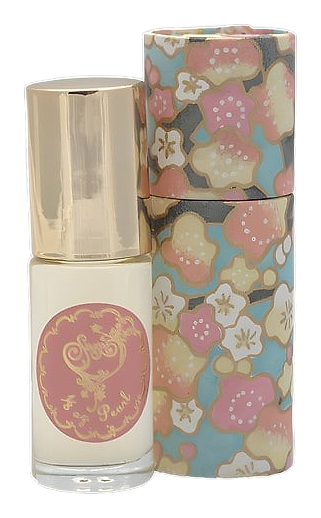
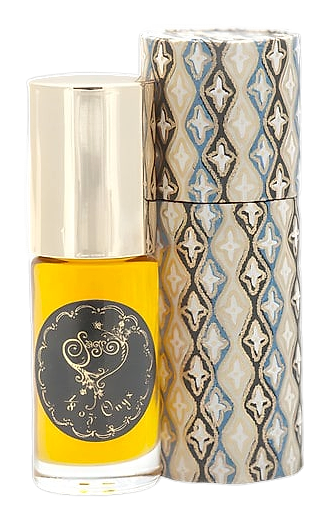
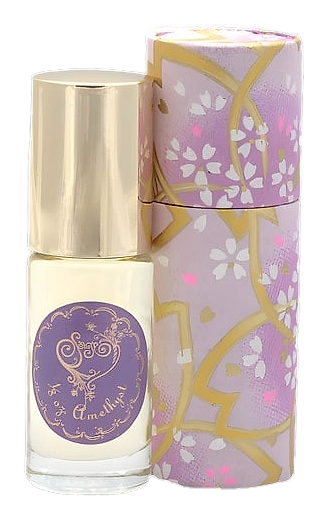
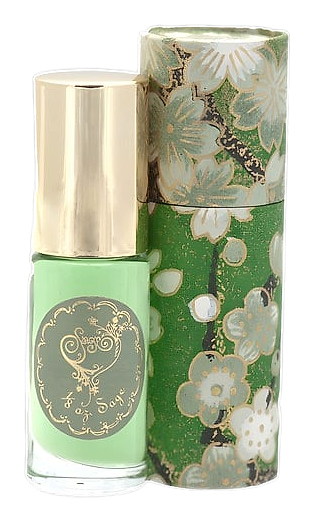
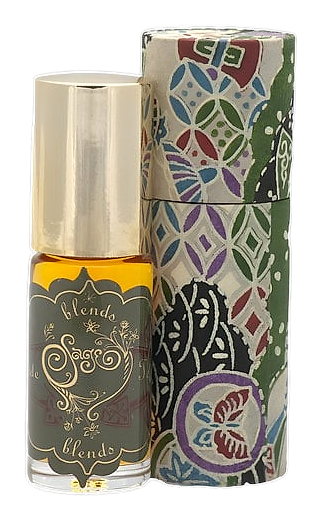
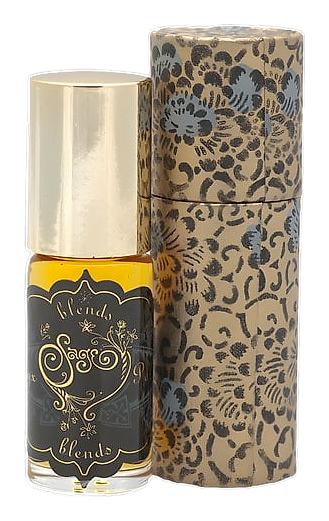
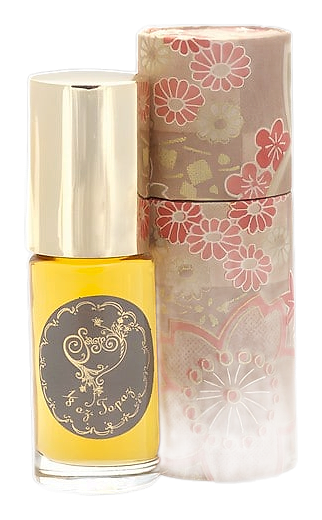
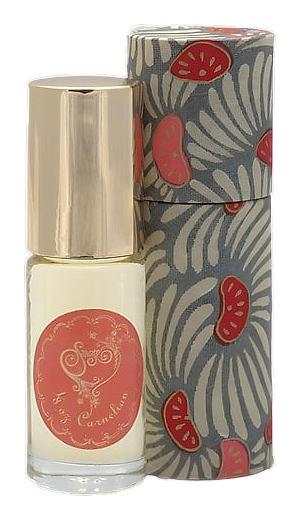
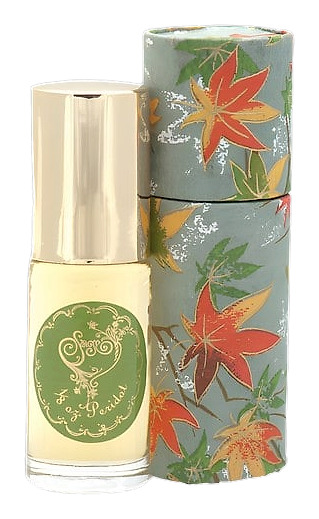
Sage MachadoSage Machado creates fragrance oils that echo the colors and textures of gemstones. Based in sunny California, the brand offers small‑batch, vegan and cruelty‑free scents that emphasize longevity and portability. Each fragrance is named for a mineral – Sage & Citrine, Amethyst, Onyx, Pearl, Diamond and others – and is formulated as an oil rather than an alcohol‑based spray, allowing the aroma to unfold slowly on the skin. The line appeals to collectors who value artisanal production and a tactile, jewelry‑inspired experience.
The Creator
Sage MachadoMachado's work centers on perfume oils and candle formats, both of which reward her preference for rich, skin-hugging compositions. Gemstones serve as conceptual starting points, lending each release a visual and emotional anchor.