The Story
Why it exists.
The beginning
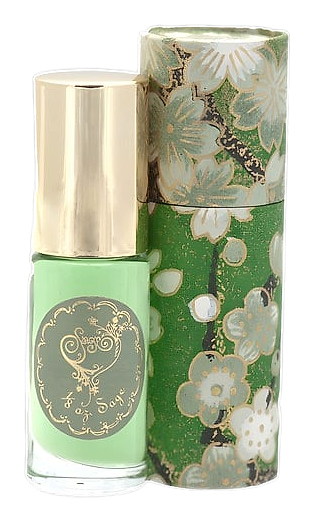
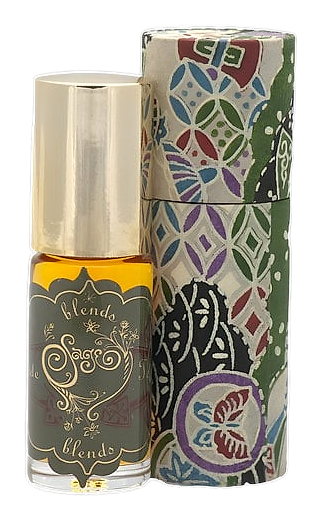
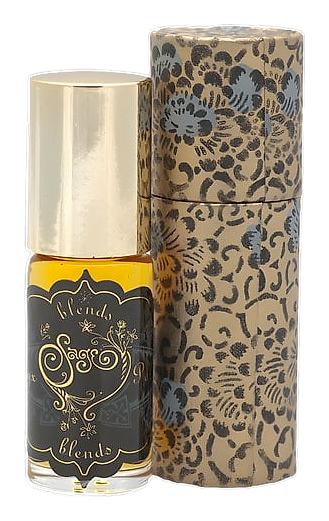
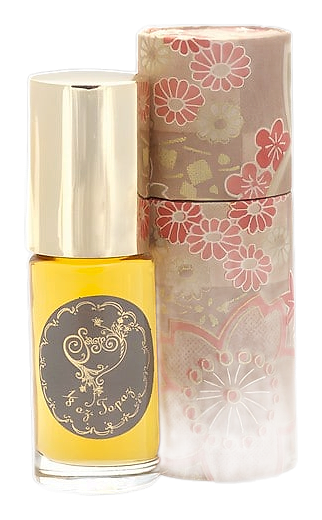
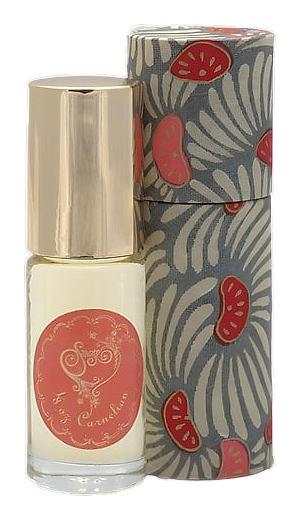
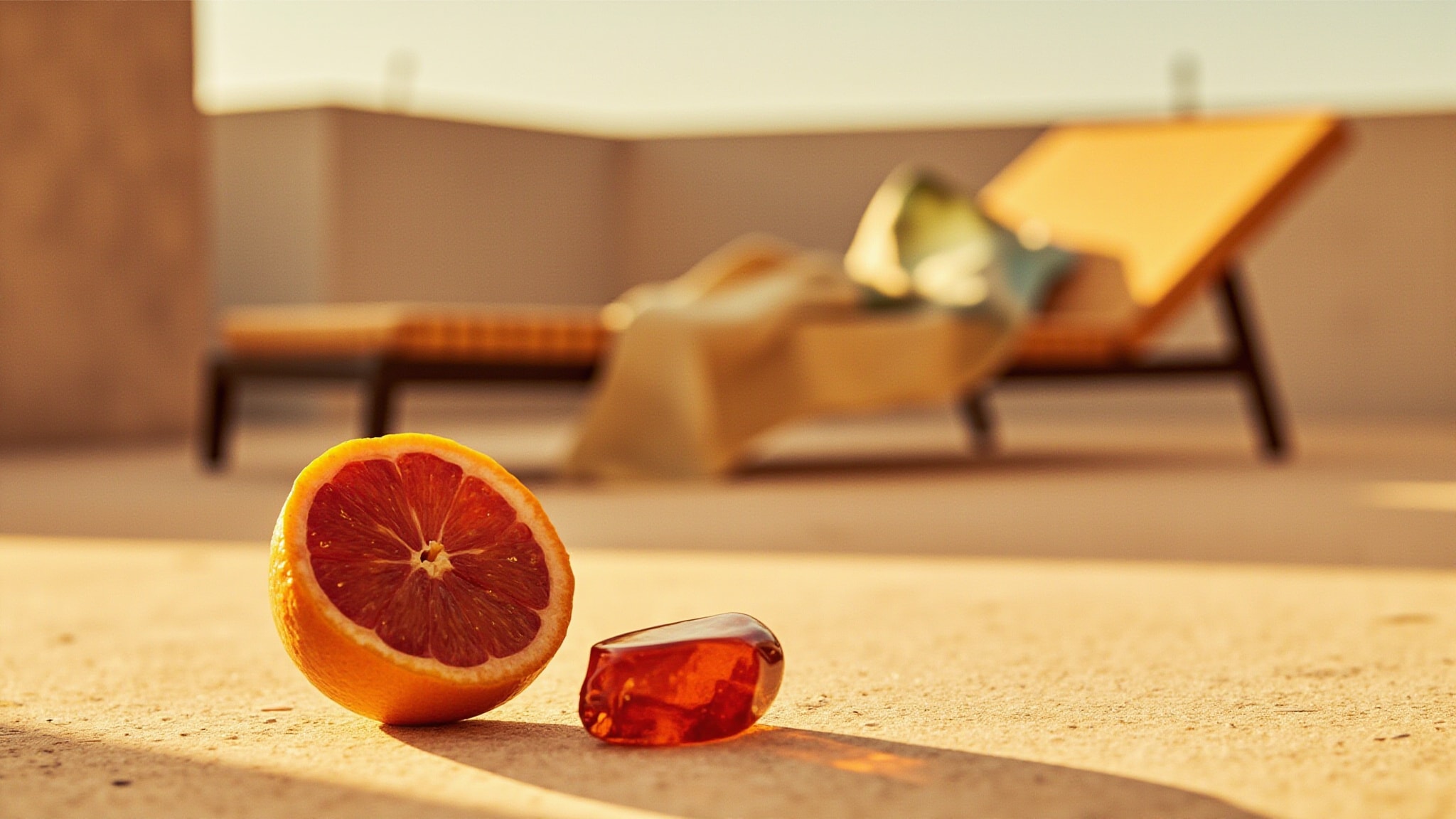
Carnelian takes its name from a real stone, a reddish-orange chalcedony prized for centuries as a talisman of protection. Gemstone lore names it the birthstone for July, a stone long associated with passion and desire. Sage Machado built the brand around the idea that scent can translate the visual and emotional qualities of minerals into something wearable, a perfume that carries the energy of the stone rather than simply announcing itself from across a room. Carnelian is the most literal expression of that philosophy: a perfume for a stone that has always promised warmth, bottled for modern-day Eves everywhere.
The note structure is unusual for how stripped-down it is. There are no flowers, no spices, no woods, no vanilla. Just a quartet of citrus at the top, a duo of tropical fruits at the heart, and musk at the base, nothing else. That restraint is the composition. The fruit is naked, presented without a supporting cast of coconut cream, sun-warmed vanilla, or any of the usual tropical scaffolding. What remains is honest and direct: bright citrus gives way to lush tropical fruit, and clean musk carries the trail.
The evolution
On skin, Carnelian opens with a tight cluster of four citrus notes that read as one bright chord at first: blood orange, tangerine, pink grapefruit, and mandarin orange. They separate as the opening breathes, each pulling away from the cluster with its own color. The blood orange darkens the accord into something bloodier and sweeter, the candied edge you'd find candied and rolled in bitter peel. Pink grapefruit adds the tart snap, that quick jolt of acidity that cuts through the sweeter elements. Mandarin and tangerine smooth the edges between the darker orange and the bright pink, and the four settle into a unified, glowing citrus accord. As the citrus fades, the tropical fruit heart takes over, and this is where Carnelian stops being a simple citrus scent and becomes something quirkier, something stranger than the opening implies.
Cultural impact
Carnelian sits within the broader category of gemstone-themed fragrances that circulate among collectors who think of scent as something intimate and personal. The oil format places it among rollerball and dabber-style perfumes rather than sprays, a category that has its own quiet following of wearers who prefer to apply fragrance directly to pulse points. Carnelian in particular occupies a sunny, citrus-forward corner of that category, leaning fully into ripe fruit without the green leaves or creamy coconut that often accompany tropical compositions.