
The Story
Why it exists.
The beginning
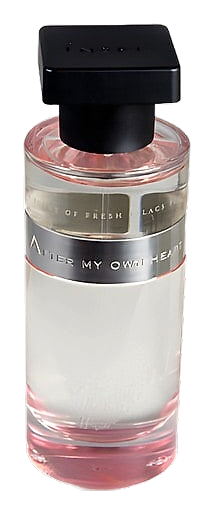
Ineke Rühland was thinking about lilac. Not the potpourri version everyone knows, the living flower, the one that blooms for two weeks in late spring and then disappears. The scent meant something. She wanted to make a fragrance that honored the flower's actual character, romantic, wistful, and a little bit lonely at the edges. After My Own Heart became that argument. The fragrance opens with green leaves and bergamot, the lilac building slowly until it fills the space around you, dense and heady with that specific sweetness that sits between spring and summer. It's a scent that doesn't demand attention but stays with you, intimate and close, the kind of floral that lingers in memory long after you've left the room.
The structure is almost defiant in its simplicity. One heart note. Three top notes. Three in the base. No hero ingredient competing with the lilac, no big dramatic opening to grab attention. The bergamot and raspberry provide brightness, a moment of clarity before the lilac arrives and fills the space. The heliotrope in the base gives it that soft, powdery finish that makes the drydown feel like a conversation winding down at midnight. This is not a fragrance that performs. It's a fragrance that reveals.
The evolution
The opening announces itself cleanly. Green leaves, bergamot, a raspberry note that reads more like a memory of fruit than actual sweetness. The top notes don't compete, they step aside. Within minutes, the lilac begins to build. It doesn't arrive all at once. It grows, slowly, until it's the only thing you smell. Dense, a little heady, with that specific lilac sweetness that sits between spring and summer. The drydown takes its time. Heliotrope and sandalwood begin to surface as the lilac softens, the musk keeping everything intimate, close, and present for hours on end, evolving beautifully as it settles into its final hours on the skin.
Cultural impact
After My Own Heart found its audience at a time when niche perfumery was still finding its footing outside Europe. It carved space for a certain kind of wearer, someone who wanted a floral that didn't perform. The fragrance has stayed in production through shifting trends, sustained by word of mouth from people who discovered it and couldn't stop thinking about it. There's something about a lilac soliflore that refuses to shout that keeps drawing people back, keeps making the case for restraint in a market that often rewards the opposite.