    Brand Profile

    Ineke creates modern, artistic fragrances from a small studio in San Francisco. Founder Ineke Rühland blends a classical education with a ha…More

    United States·Est. 2009·Site

    4.0

    Rating

    16
    Jack + Jackie by Ineke
    Best Seller
    4.4

    Jack + Jackie

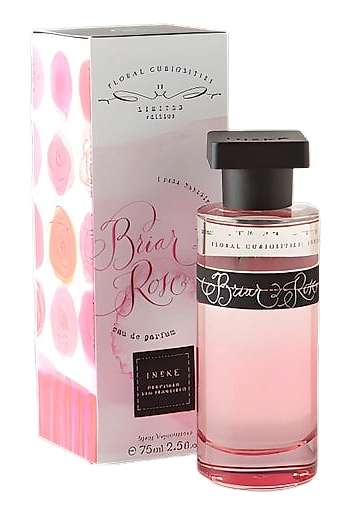
    Briar Rose by Ineke
    Best Seller
    4.2

    Briar Rose

    Idyllwild by Ineke
    Best Seller
    4.2

    Idyllwild

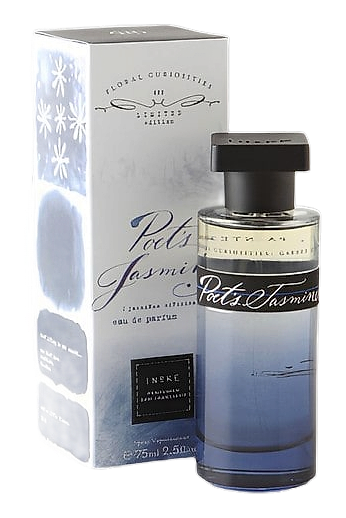
    Poet’s Jasmine by Ineke
    4.0

    Poet’s Jasmine

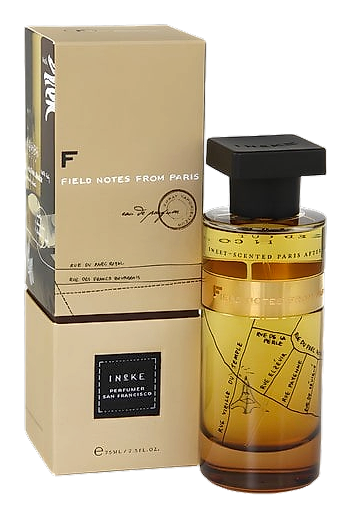
    Field Notes From Paris by Ineke
    4.0

    Field Notes From Paris

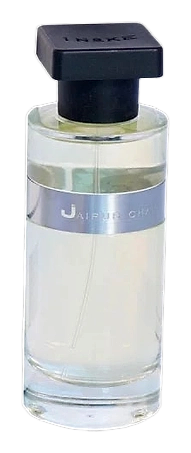
    Jaipur Chai by Ineke
    4.0

    Jaipur Chai

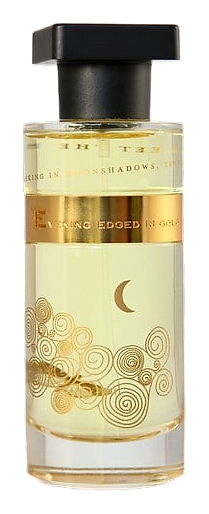
    Evening Edged In Gold by Ineke
    4.0

    Evening Edged In Gold

    Hothouse Flower by Ineke
    4.0

    Hothouse Flower

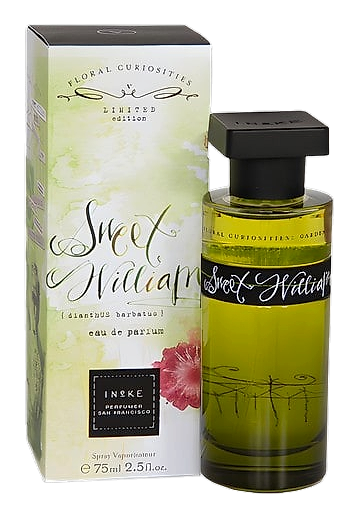
    Sweet William by Ineke
    3.9

    Sweet William

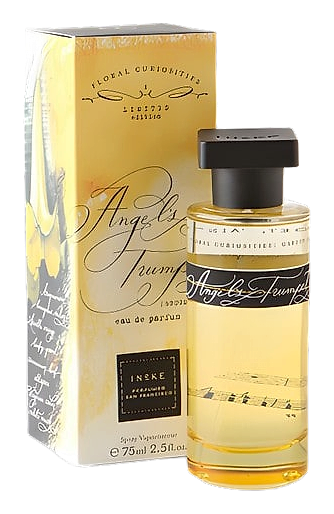
    Angel’s Trumpet by Ineke
    3.9

    Angel’s Trumpet

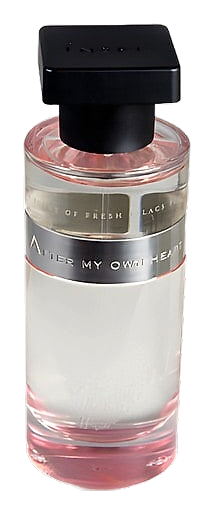
    After My Own Heart by Ineke
    3.9

    After My Own Heart

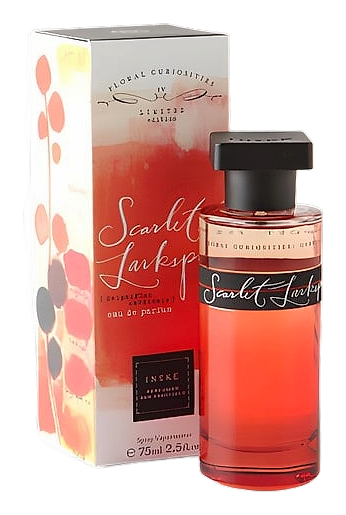
    Scarlet Larkspur by Ineke
    3.8

    Scarlet Larkspur

    1 of 2

    The Heritage

    The Story of Ineke

    Ineke creates modern, artistic fragrances from a small studio in San Francisco. Founder Ineke Rühland blends a classical education with a hands‑on apprenticeship in Paris to craft scents that feel both personal and adventurous. Each bottle offers a concise story, whether it is the garden‑inspired Hothouse Flower (2012) or the spice‑rich Jaipur Chai (2019). The brand stays independent, sourcing raw materials directly and testing each formula in a modest lab before release.

    Heritage

    Ineke Rühland grew up in Canada before moving to Provence to study perfumery. After completing formal training, she spent three years apprenticing at a Paris fragrance house, where she learned the chemistry of natural extracts and the discipline of laboratory work. In 2009 she returned to North America and opened an independent studio in San Francisco, launching the Ineke line that same year. Early releases such as Field Notes From Paris (2009) and Evening Edged In Gold (2007) hinted at her willingness to mix classic structures with unexpected accents. The 2011 launch of Poet’s Jasmine and Angel’s Trumpet introduced a lyrical, narrative quality that resonated with niche collectors. Hothouse Flower (2012) marked the first fragrance that explicitly referenced a botanical garden, and it quickly became a reference point for the brand’s garden‑inspired sub‑series. Jaipur Chai (2019) expanded the palette to include Indian tea spices, showing that the studio could travel beyond Western olfactory traditions. Throughout its history, Ineke has remained a solo‑run operation, handling formulation, testing, and limited‑run production in‑house. The brand’s modest scale allows rapid iteration; new scents appear almost annually, each announced through a simple website update rather than a large‑scale marketing campaign. This continuity of personal involvement has kept the brand’s voice consistent for more than a decade.

    Craftsmanship

    Every Ineke fragrance begins with a scent brief that the founder writes after a field trip, a museum visit, or a personal memory. She then selects raw materials, favoring ingredients that are sustainably harvested or produced by small cooperatives. For botanical extracts, she works with growers in France, Morocco, and the United States who practice organic or low‑impact farming. Animal‑derived notes are avoided unless they meet strict ethical standards, and many compositions rely on synthetic aromachemicals that replicate rare scents without harming ecosystems. In the studio, Ineke uses a 10‑liter glass mixing vessel, measuring each component with a precision balance. She follows a step‑wise blending protocol: base notes combine first, followed by heart and top accords. After mixing, the blend rests for a minimum of 48 hours, then undergoes a short aging period in a temperature‑controlled cabinet. She evaluates the evolving scent by skin testing and by using a calibrated olfactory panel of trusted colleagues. Once satisfied, she transfers the perfume to a stainless‑steel bottling line that fills 30 ml and 100 ml glass bottles. The bottles are hand‑capped, labeled, and sealed with a wax sticker that bears the Ineke logo. Quality control includes a final GC‑MS analysis to confirm the presence and proportion of key ingredients, ensuring each batch matches the original formula. The entire process, from raw material selection to final seal, remains under the founder’s direct supervision, preserving the intimate character of each release.

    Design Language

    Ineke’s visual language mirrors its olfactory restraint. Bottles feature a slim, cylindrical silhouette with a matte black or deep amber glass, allowing the perfume’s color to hint at its character. The label is a simple black rectangle printed in a clean sans‑serif typeface; the only decorative element is a thin gold line that varies in length to denote the fragrance family. Caps are brushed aluminum, providing a tactile contrast to the smooth glass. The brand’s website uses a monochrome palette with high‑contrast photography that focuses on the bottle and a single, context‑specific prop—a dried flower for Hothouse Flower, a spice jar for Jaipur Chai. Social media posts follow the same minimal approach, often showing the bottle against a textured background rather than elaborate staging. This restrained aesthetic reinforces the idea that the scent itself, not packaging hype, is the centerpiece. Even the packaging box follows the same design language: a sturdy, matte black cardboard with the same gold line and typeface, offering a tactile experience that feels both modern and timeless.

    Philosophy

    Ineke’s philosophy rests on three pillars: curiosity, restraint, and authenticity. Curiosity drives the perfumer to explore ingredients outside the typical niche market, such as the tea leaves that define Jaipur Chai or the rare jasmine cultivars in Poet’s Jasmine. Restraint guides her to keep compositions focused; she often limits a scent to a handful of key notes, letting each material breathe. Authenticity means she tests every formula on herself and close friends before committing to a batch, ensuring the fragrance works in real life, not just on a strip. The studio rejects mass‑production shortcuts, preferring small‑batch distillation and manual blending. Ineke also values transparency, listing primary notes on the product page and, when possible, naming the source region of a natural ingredient. This approach reflects a belief that perfume should be a personal dialogue rather than a generic statement. By keeping the creative loop tight, the brand can respond quickly to feedback and adjust a formula in future releases, a practice that aligns with her training in both classical perfumery and modern laboratory techniques.

    Key Milestones

    2009

    Ineke launches her independent fragrance line in San Francisco, debuting Field Notes From Paris.

    2011

    Poet’s Jasmine and Angel’s Trumpet release, establishing a narrative‑driven approach.

    2012

    Hothouse Flower arrives, becoming a reference point for garden‑inspired scents.

    2015

    Jack + Jackie and Idyllwild launch, expanding the brand’s geographic storytelling.

    2019

    Jaipur Chai releases, introducing Indian spice notes and marking the brand’s first major foray into non‑Western olfactory territory.

    At a Glance

    Brand profile snapshot

    Origin

    United States

    Founded

    2009

    Heritage

    17

    Years active

    Collection

    1

    Fragrances released

    Avg Rating

    4.0

    Community sentiment

    Release Rhythm

    2019
    1
    2015
    2
    2012
    2
    2011
    4
    2010
    1
    2009
    1
    2007
    1
    2006
    4
    inekeperfumes.com

    Did You Know?

    Interesting Facts

    Distinctive details and defining moments that shape the house personality.

    01

    Ineke Rühland completed a three‑year apprenticeship at a Paris fragrance house before founding her own studio.

    02

    The perfume Jaipur Chai was inspired by a tea‑tasting trip to Rajasthan, where the perfumer recorded the aroma of simmering chai on a field notebook.

    03

    Hothouse Flower uses a rare, hand‑picked night-blooming jasmine that the founder sourced from a single garden in southern France.

    04

    Each bottle’s gold line on the label is cut to a length that corresponds to the number of primary notes in the fragrance.

    The Artisans

    The Perfumers