
The Story
Why it exists.
The beginning
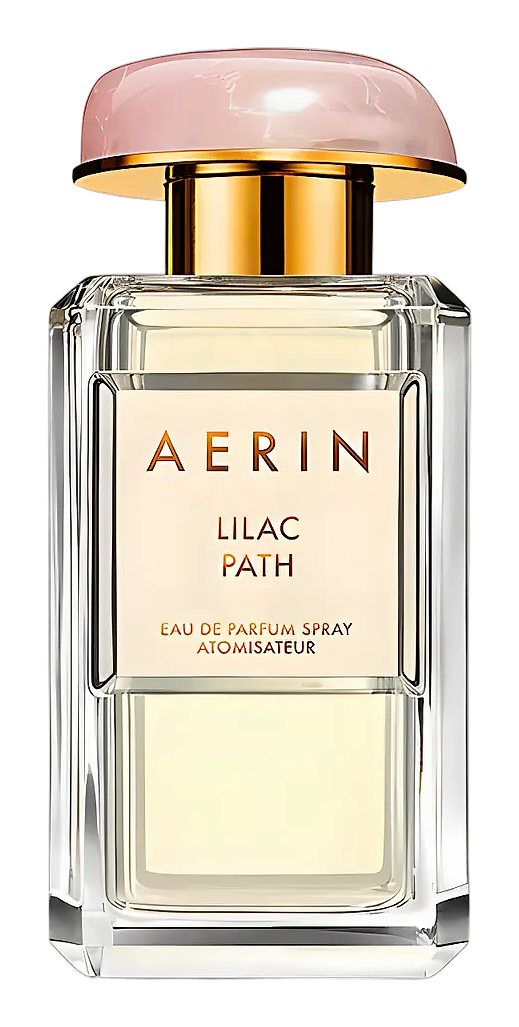
Estée Lauder's summer cottage had a lilac bush. When it bloomed, the whole property changed. Aerin Lauder wanted that moment in a bottle. Harry Frémont worked with Firmenich to make it happen, and the result arrived in 2013 as part of a five-fragrance debut collection, each tied to a different fabric mood from the Aerin design line. Lilac Path was the spring entry, its carton printed with the Marila Batik, a pattern that combines two of the house's signature textiles. Pink stone cap, which picks up the color of the lilac itself. Small detail, fully intentional.
Lilac is a tricky note. The molecule that makes it smell most like living lilac, lilinol, is rarely used in perfumery because it's unstable and regulated in certain markets. Most fragrances simulate the effect with jasmine, hyacinth, and heliotrope. This one uses another route: galbanum, angelica seed oil, and creamy jasmine lactones to build the green, slightly anise-like freshness that true lilac carries. Galbanum supplies the cool sharpness. Angelica seed adds a faintly herbaceous, slightly bitter edge that reads as green stems. Together, they recreate the whole bush, not just the flowers.
The evolution
Opens on a strong lilac that earns its name immediately and doesn't let go. Galbanum brings that cool green snap just underneath, keeping the floral from going flat. The jasmine builds in the background over the next hour or so, growing warmer and creamier as the initial green fades. The heart settles into a lilac-and-honeysuckle duet, honeysuckle pushes in as the galbanum recedes, and the composition shifts toward something warmer, more intimate. The drydown is creamy jasmine lactones and angelica seed over skin, close and quiet. Six to eight hours on most skin. Moderate projection after the first hour. Lingers close, the kind of scent someone notices only when they're leaning in.
Cultural impact
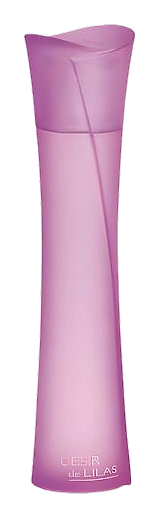
Lilac Path occupies a specific niche in the Aerin lineup, the spring-forward floral that earns its name without apology. Critics and Wearers praised its commitment to a literal lilac interpretation, which remains unusual in a fragrance market where 'lilac' is often used loosely. It sits alongside En Passant by Frédéric Malle and Pur Désir de Lilas by Yves Rocher as one of the more realistic lilac fragrances in the accessible luxury segment.