The Story
Why it exists.
The beginning
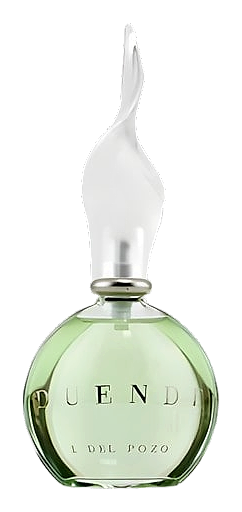
Duende arrived in 1992, the debut fragrance from Jesús del Pozo's Madrid fashion house. The name references the Spanish word for a mischievous spirit or goblin. Olivier Cresp built the composition around green florals with powdery warmth, structured enough to feel architectural rather than decorative. The fragrance presents a restrained elegance, with the green florals at its core creating a distinctive character that sets it apart from purely decorative scents. There's a balance here between freshness and warmth that gives Duende its particular signature, making it feel both modern and timeless. The overall effect is one of careful restraint, where each element serves a purpose rather than simply adding decoration.
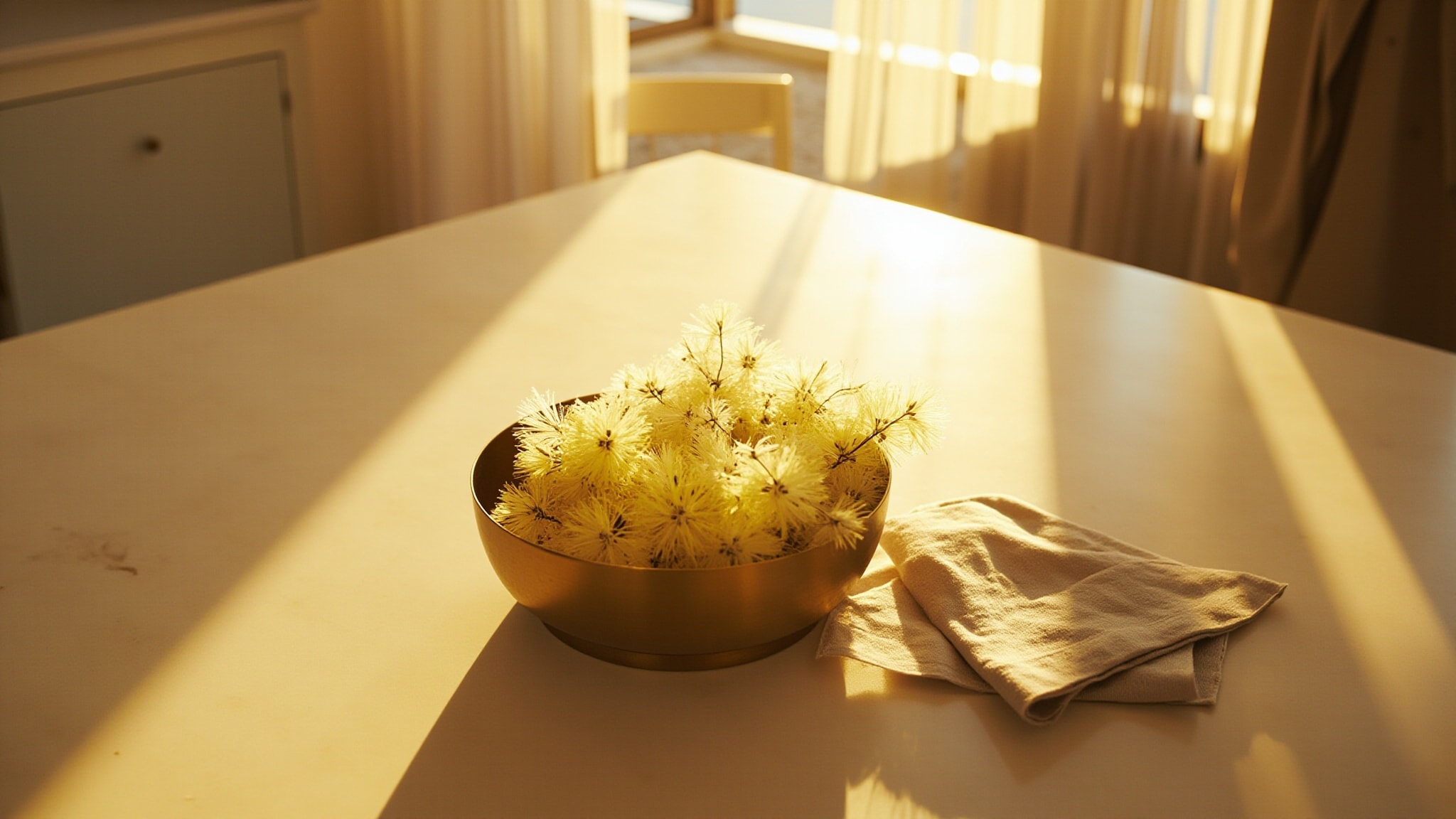
What makes Duende unusual is the linden blossom. Here, Cresp placed it at the center, building around a creamy, slightly honeyed floral that sits between fresh and warm. The yellow florals, mimosa, jasmine, and ylang-ylang, amplify this quality, creating a powdery warmth that doesn't tip into sweetness. Each of these florals contributes its own character to the blend, with jasmine providing a rich, indolic depth, ylang-ylang adding a tropical creaminess, and mimosa lending a delicate, powdery softness. The combination creates a heart that feels both luminous and intimate.
The evolution
The opening is bright and green. Citrus fruits and mandarin orange arrive first, the bergamot adding a clean edge. The melon is present but restrained, it sweetens without weight. Underneath, the linden blossom is already there, not announcing itself but quietly available. Within minutes, the yellow florals take over. Jasmine and ylang-ylang arrive together, the mimosa adding a powdery creaminess that makes the heart feel warm and enveloping. The creamy floral heart announces itself slowly and stays, creating the core impression of the fragrance. The drydown brings cedar and sandalwood arriving quietly, the caraway adding an aromatic complexity that deepens the base. The powdery quality intensifies as the florals settle into the woody structure. What was bright and green becomes something warmer, more intimate.
Cultural impact
Duende arrived in 1992 as a cultural statement from Madrid's fashion scene. Jesús del Pozo, a couturier who built his fashion house in Madrid, used Duende to announce his entry into fragrance. The name references the Spanish word for a mischievous spirit or goblin, adding a playful cultural layer to the perfume's identity. In the broader fragrance landscape, Duende represented an interesting proposition from a fashion house venturing into scent, bringing a particular point of view to a competitive market.