The Story
Why it exists.
The beginning
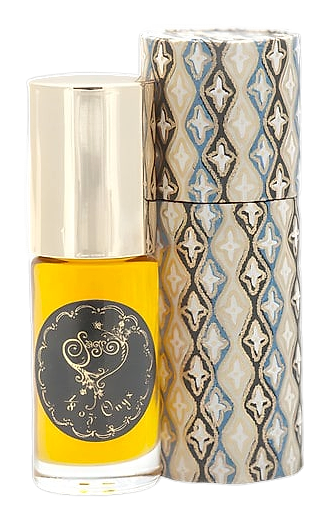
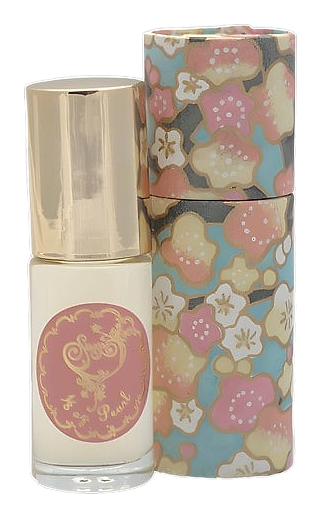
Pearl is named for June's birthstone, a mineral the brand has translated into scent since Sage Machado began translating gemstones into jewelry. The brief was simple: capture innocence and purity without becoming a cliché. No aldehydes, no screechy florals. Instead, the perfumer built inward, starting from oakmoss, a note more often buried in a base, because sometimes the most honest thing a fragrance can do is arrive quietly and mean it.
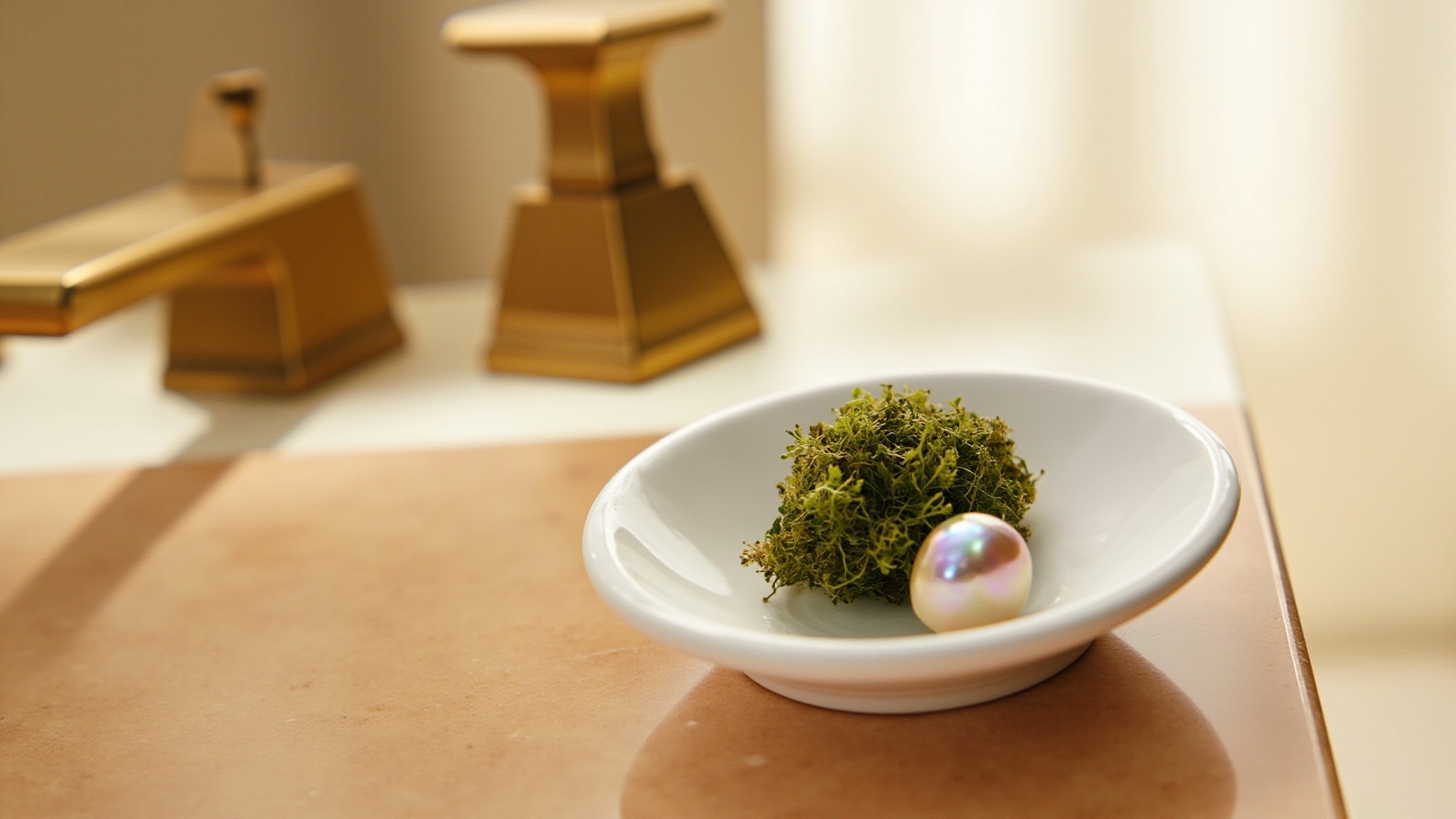
Oakmoss as a top note is unusual. Most perfumers use it low in the pyramid where it adds depth without demanding attention. Placing it first is a statement: this scent begins with earth, with the smell of damp stone in morning light, before softening into something warmer. The choice creates an unexpected tension, green and mineral at the opening, creamy and powdery at the close. That hand-off, from moss to vanilla, is where Pearl earns its name. Pearls start as grit and become something luminous.
The evolution
The opening arrives soft, almost apologetic, damp oakmoss with a slight mineral edge, the kind of green that recalls a garden after rain. Within minutes, sandalwood slides in, warm and woody, smoothing the moss into something creamier. The transition isn't dramatic. It asks you to pay attention. The drydown is where vanilla finally speaks, but it refuses to shout. This is a vanilla that grew up in a pod, not a bakery, natural, slightly resinous, never foody. Musk threads through to keep everything close to the skin. By hour three, it's a quiet warmth on the inside of your wrist, intimate and persistent if you're standing near enough to notice.
Cultural impact
Pearl arrived during the peak of the loud fragrance era, when sillage was measured in rooms conquered. Sage Machado went the opposite direction, betting that restraint could be its own statement. The fragrance became a quiet cult item among those tired of being the person in the elevator everyone noticed. Its oakmoss-forward structure references pre-IFRA reform perfumery, when chypres were bold and unapologetically earthy. This backward glance resonated with a generation rediscovering vintage formulas. Pearl occupies a specific niche: not the loud minimalism of department store flanker culture, but something more personal, the olfactory equivalent of a hand-written note versus a group text.