The Story
Why it exists.
The beginning
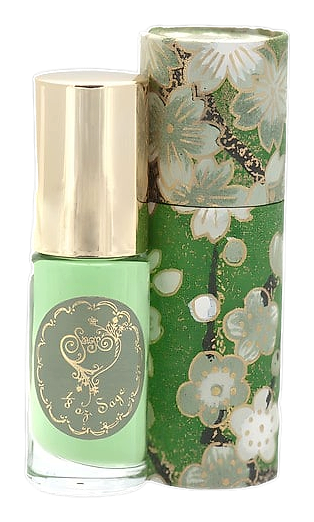
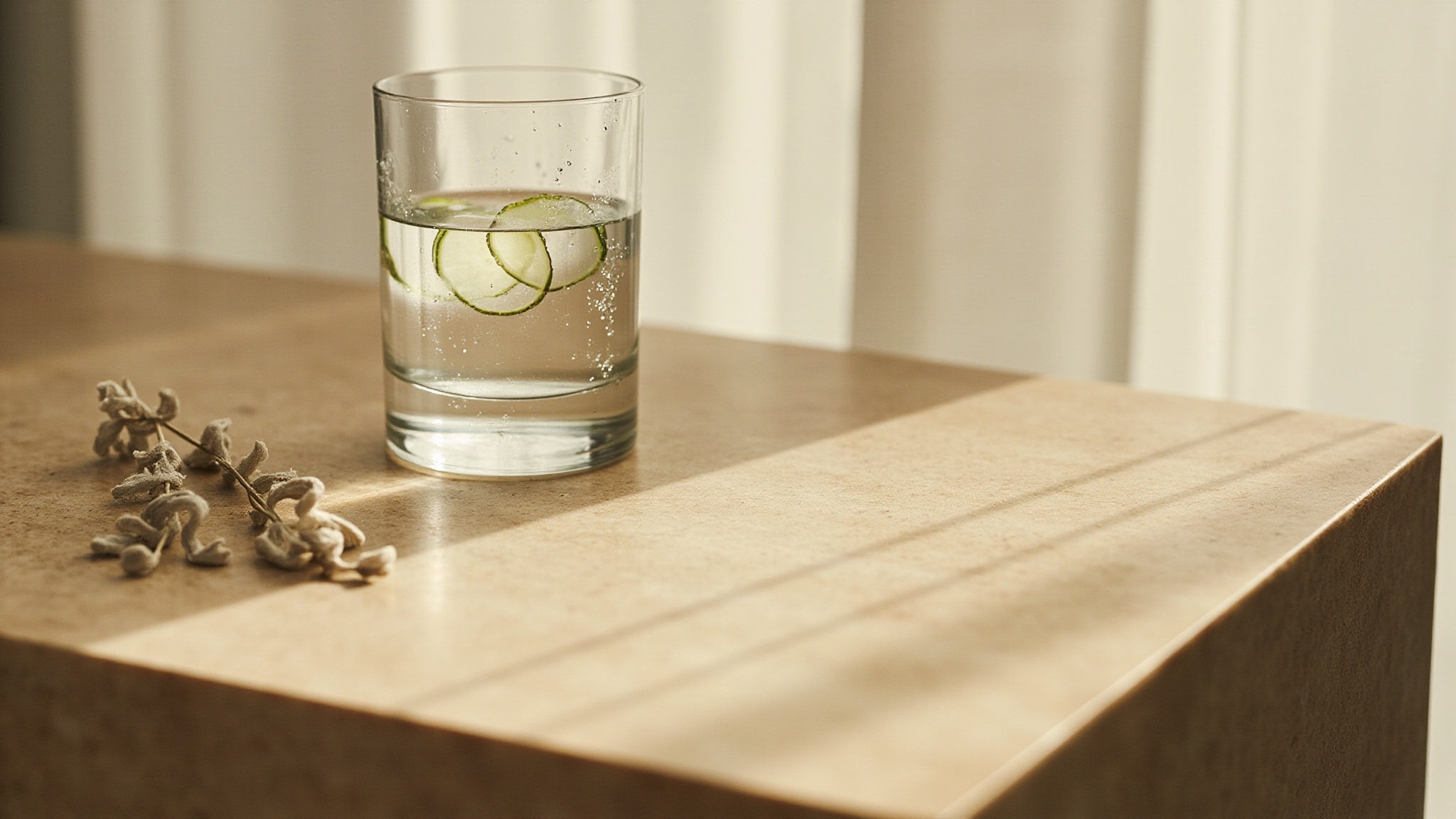
Sage Machado named this fragrance after the herb at its heart, a deliberate choice to put the plant itself front and center. Unlike the gemstone-inspired names in the rest of the collection, Sage takes its identity directly from the ingredient: white sage from New Mexico, cool and camphorated in the opening, grounding the composition in something herbal and specific. The addition of cucumber, that watery, almost metallic freshness, keeps the top bright without tipping into citrus or aquatic territory. Sweet pea in the heart adds a softness that arrives like a garden glimpsed from indoors: floral, gentle, unexpected after the crispness of the start. It's a fragrance built on contrast, named for the thing that holds it together.
What makes this composition unusual is the distance between its opening and its close. White sage is an ingredient that reads differently on everyone, sometimes more camphorated, sometimes greener, sometimes almost medicinal. Cucumber amplifies that cool, almost metallic quality in the opening. Then sweet pea appears like a transition between worlds: soft, almost innocent. The drydown is where Sage Machado's oil expertise shows. Ambrette, musk mallow, has a skin-like warmth that doesn't project loudly but lingers for hours, close and intimate. Tonka bean adds a powdery sweetness that rounds the edges without becoming dessert. It's a fragrance that doesn't announce itself, which is precisely the point.
The evolution
The opening hits clean: cucumber's cool, watery brightness followed immediately by white sage's camphorated, almost minty green. It smells like stepping outside on a cool morning, crisp, specific, awake. Nothing about it prepares you for what comes next. Within twenty minutes, the sweet pea arrives. It's a soft floral, almost shy, arriving like light through a window rather than making an entrance. The transition is surprisingly graceful, the herbal coolness doesn't vanish so much as soften, allowing the floral to bloom without competition. The drydown belongs to the musks and tonka bean. This is where Sage earns its name: the white sage doesn't fully disappear, it settles into the base, mixing with ambrette's warm, skin-like quality and tonka bean's powdery sweetness. By hour four, it reads as warmth rather than herb, close to the skin, intimate without trying. A full workday is realistic. On some skin types, a quiet trace lingers into the evening.
Cultural impact
The late 1990s launch of Sage arrived at a pivotal moment when Los Angeles design culture was embracing minimalism and wellness-oriented aesthetics. Sage Machado built her brand on jewelry inspired by Native American and artisan traditions, and her move into fragrance in 1998 reflected a broader cultural moment when consumers began seeking authenticity over luxury performance. The oil-based formula aligned with early aromatherapy trends and positioned the fragrance as a sensory lifestyle choice rather than a statement accessory. Unlike mass-market launches of that era that favored bold projections, Sage's intimate sillage reflected an emerging countercultural preference for subtlety.