The Story
Why it exists.
The beginning
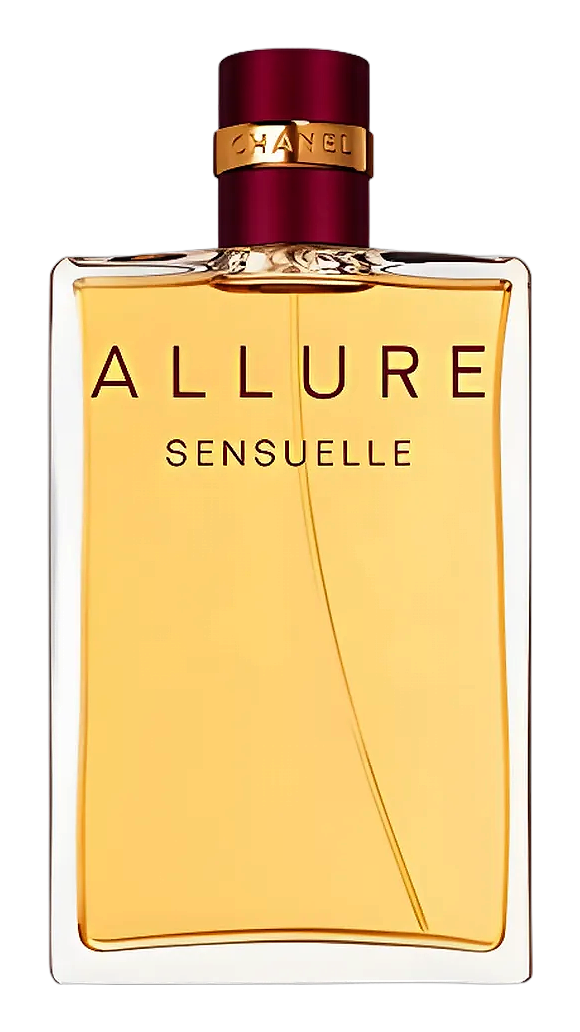
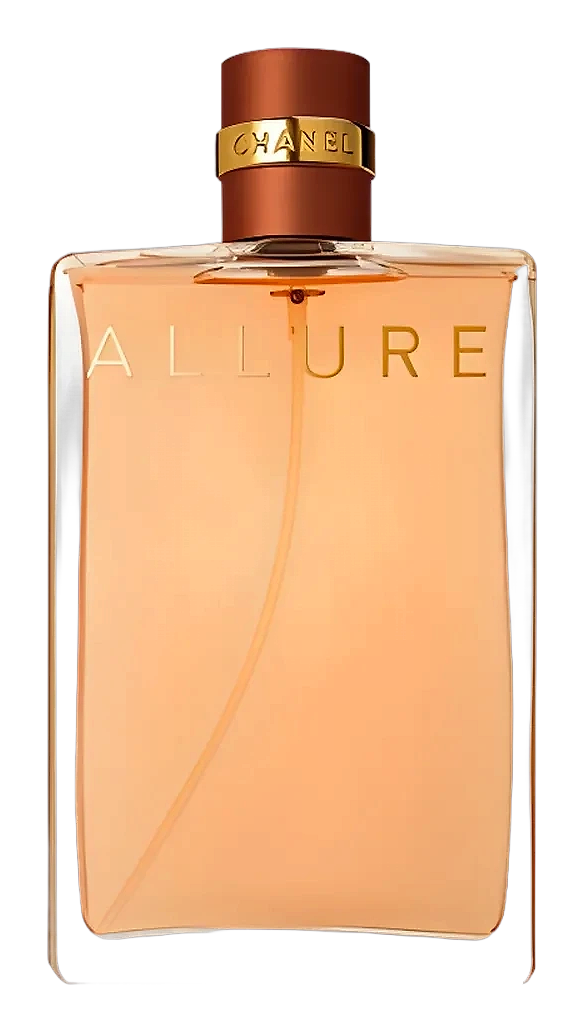
Chanel built the modern fragrance industry around one revolutionary idea: scent as a statement of self, not circumstance. Gabrielle Chanel wanted perfume that smelled like a woman, not a flower. The house has stayed true to that idea for over a century. Allure, created by Jacques Polge in 1999, is the extension of that philosophy into warmth and sensuality, florals that complement rather than compete, a structure that invites rather than overwhelms. Coco Chanel believed in clarity, in the power of something that fits without explanation. Allure is for her kind of woman, the one who carries conviction quietly and lets the scent do the rest.
The heart structure of Allure is unusually layered, twelve materials stacked in a way that's more about architecture than abundance. Mandarin Orange and Rose open together, not competing but building a luminous foundation. The key insight is balance: letting peach and vanilla express warmth without tipping into sweetness overload. Bergamot and Jasmine provide the tension; Magnolia, Peony, Orange Blossom, and Lotus layer in depth without becoming a single floral fog. Cedarwood and Vetiver anchor the heart, keeping the sweetness honest. What makes this composition distinctive is restraint within richness. Most warm florals try to be lush all the way through.
The evolution
The opening phase is all tenderness. Mandarin and rose arrive together and never compete, a rare instance of two top notes sharing space without one trying to be the hero. The citrus is gentle and rounded, losing the sharp edge you sometimes get with Bergamot. About thirty minutes in, the peach chips in. The whole blend gets thicker, Jasmine, Peony, Magnolia bloom as the Mandarin softens. A brief fat moment, where all those florals spike together. That combination. The second half gets sweeter, warmer, and harder to pull away from. Vanilla, orange blossom, lotus, holding a dewy, edible quality that reads as generous rather than heavy. By the fifth hour, the drydown arrives quiet and powdery-soft. Soft fruit. Warm vanilla. A hint of cedar and vetiver from the heart that bleeds through to the very end. On warm skin, Allure lasts 8-10 hours and holds close, strong sillage that announces you without filling the room, then fades to something you have to reach for.
Cultural impact
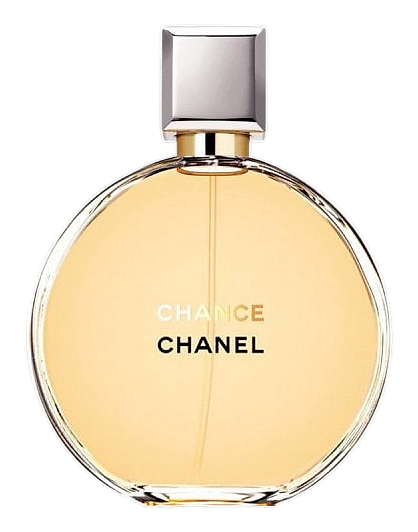
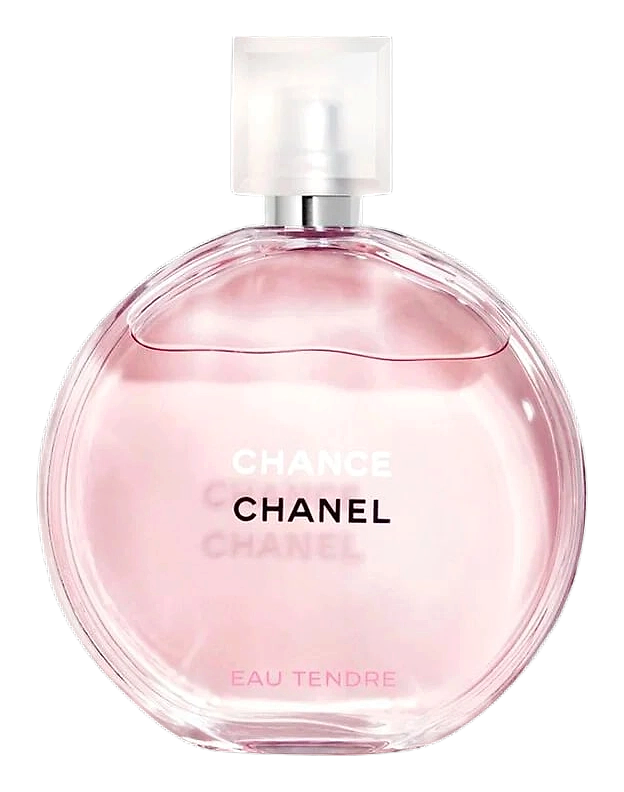
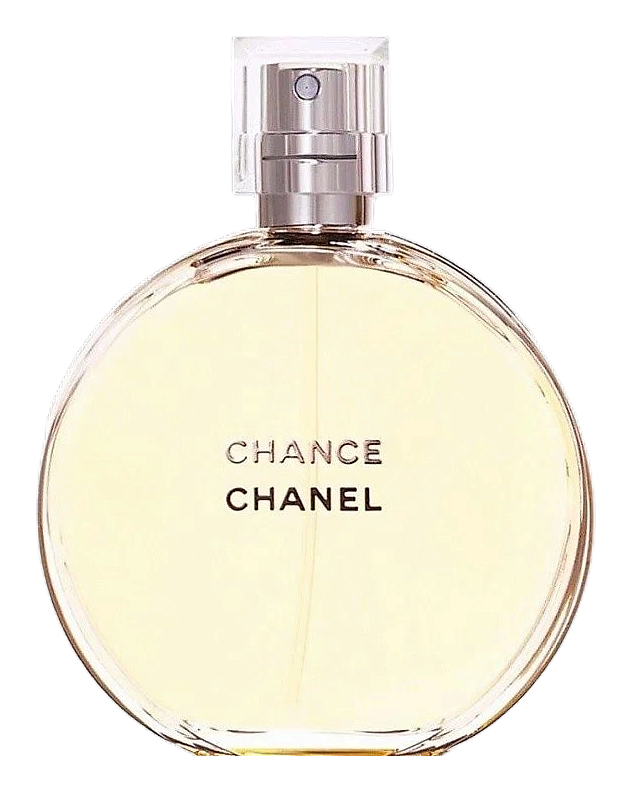
Allure has been a consistent presence in the Chanel fragrance wardrobe since its 1999 debut, positioned as the warm-floral complement to bolder signatures like Coco Mademoiselle. What's notable is how the composition has aged without appearing dated. The sweet-floral-amber template it relies on was neither trend-first nor trend-last, it was simply Chanel's version of a warm white floral. That restraint has kept Allure relevant across decades of changing tastes. Several fragrances occupy similar conceptual territory, Chance by Chanel, La Vie Est Belle by Lancôme, Doll by Mugler, all built on sweet-floral-amber frameworks introduced between 2002 and 2012.