
The Story
Why it exists.
The beginning
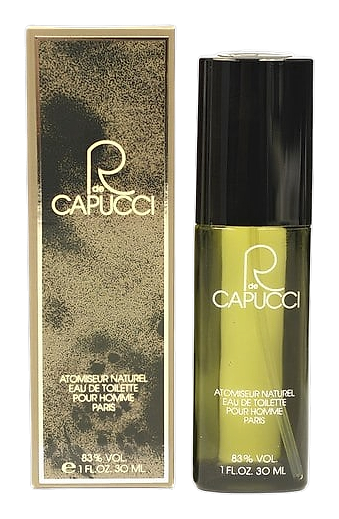
Francoise Caron designed R de Capucci in 1985, working from the same sculptural intelligence that defined Capucci's fashion house. The initial R marks something personal, the designer's own name distilled into scent. Caron understood the assignment: build a fragrance that carries weight without heaviness, presence without announcement. What emerged was an aromatic chypre anchored in green notes and aldehydes, a combination that gives the composition its particular electricity. The 1985 launch placed it squarely in a moment when Italian perfumery was producing work of distinct character and intention, compositions that reward close attention and repeated wear.
The aldehydes are doing something unusual here. Rather than the usual soapiness, they lift the green notes into something more effervescent, a brightness that persists even as the heart develops. Carnation adds spice without sweetness, which is a difficult trick. Most fragrances that use carnation lean warm; R de Capucci keeps it cool through the aldehydic structure. The mandarin orange in the heart is subtle, a whisper of fruit that keeps the composition from feeling austere. What results is a fragrance that balances aromatic sharpness with chypre depth, the oakmoss and leather arriving not as a contrast to the green opening but as its natural conclusion.
The evolution
The opening hits with petitgrain and bergamot, clean, herbaceous, immediate. You get a solid stretch of that brightness before the aldehydes push the clary sage into something more textured. The green notes don't disappear; they deepen. By the second hour, the rose and other floral elements are doing their work, the aldehydes still present but softer, more like a memory of the opening than the opening itself. The base arrives gradually, leather first, then oakmoss, then the vetiver and patchouli settling into the skin. On most skin types, the fragrance remains detectable for a full working day. The drydown on fabric is where this fragrance lives longest: the oakmoss and leather hold on until the next wash cycle. What surprises is the musk, it doesn't overwhelm. It threads through the base like a quiet bass note, keeping everything close and warm.
Cultural impact
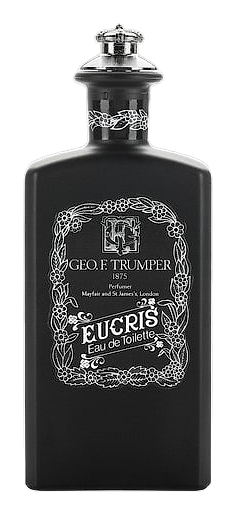
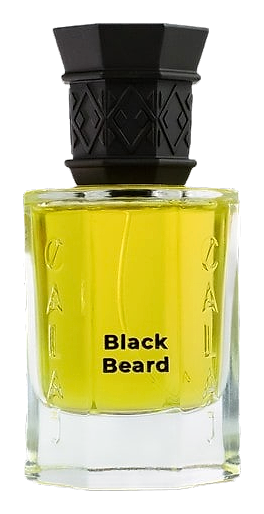
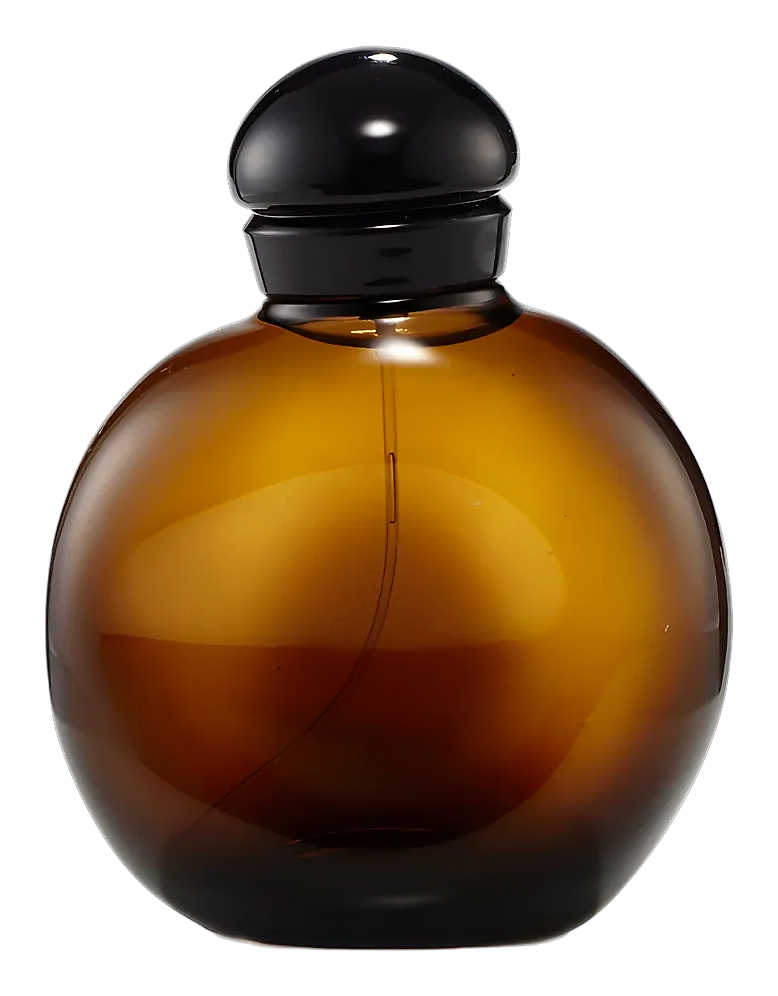
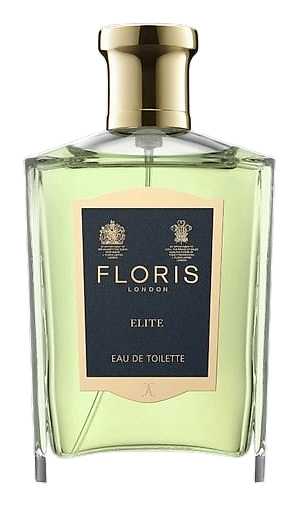
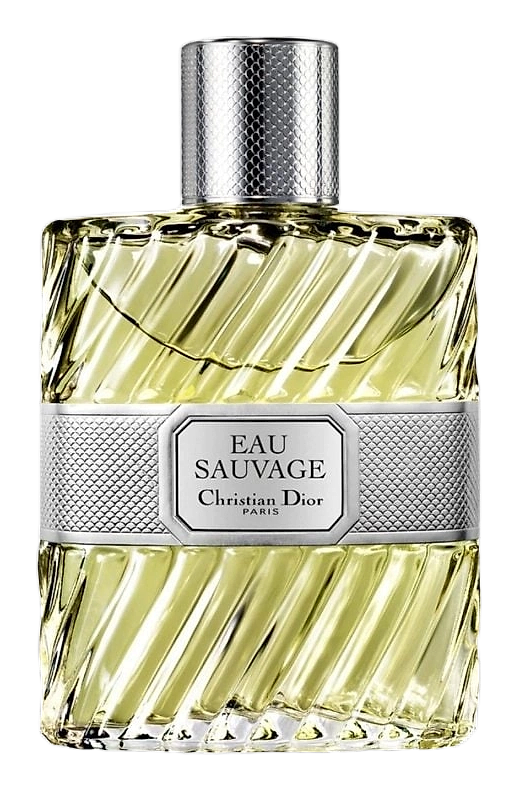
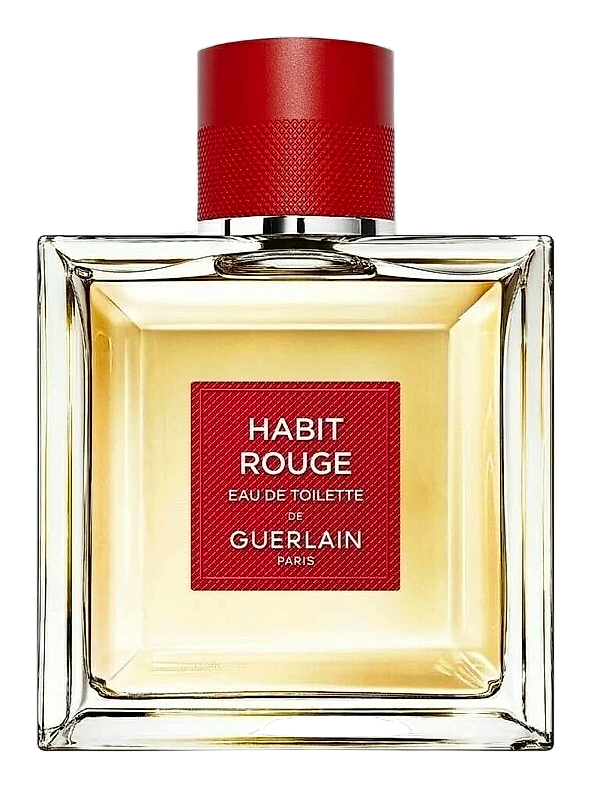
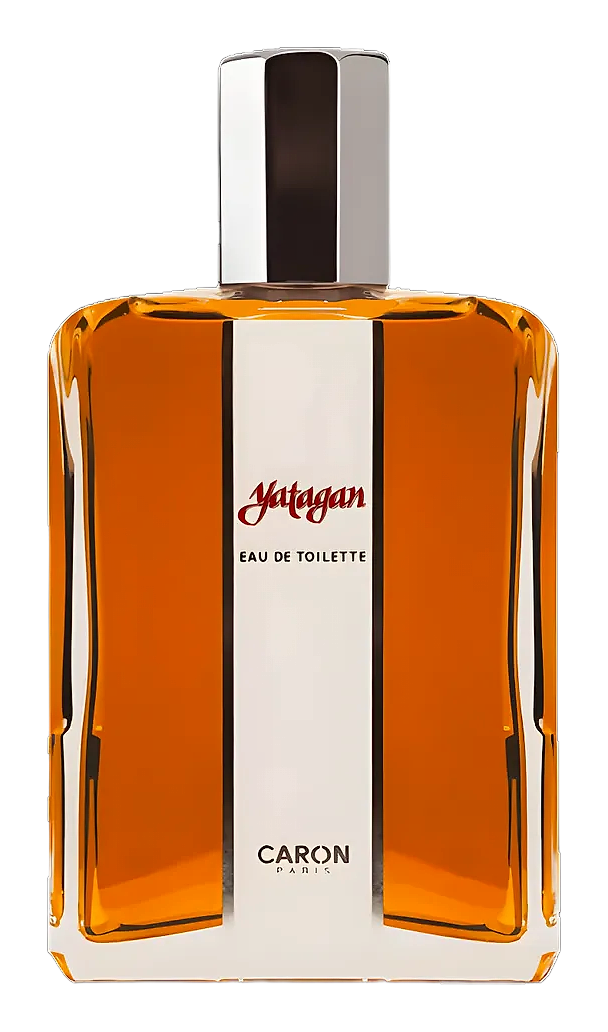
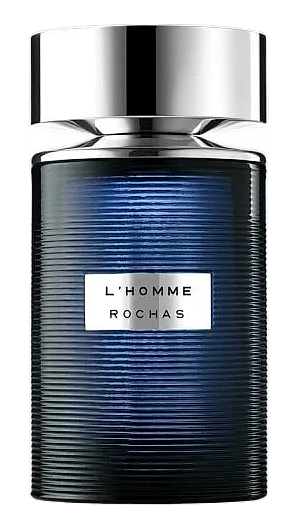
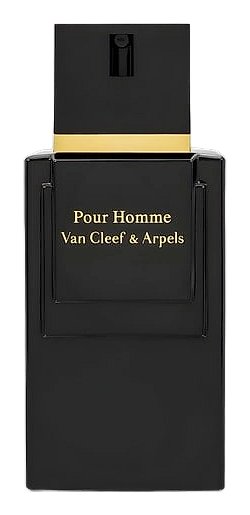
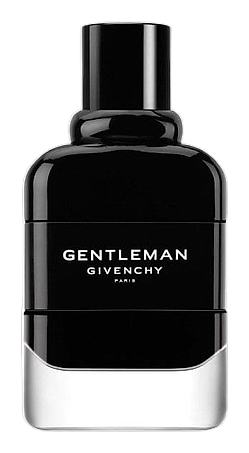
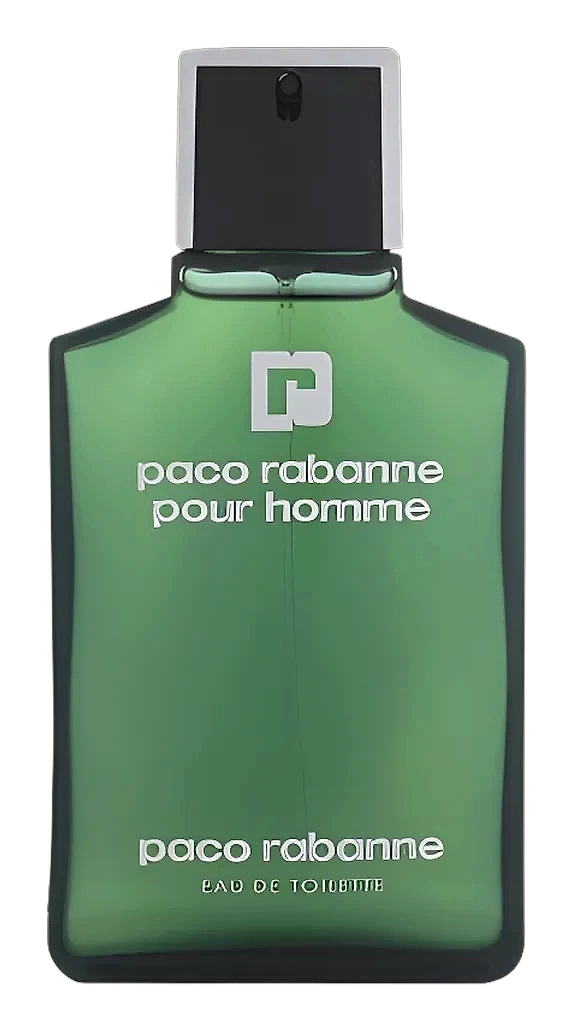
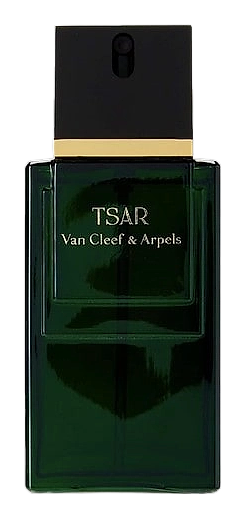
R de Capucci belongs to a lineage of Italian chypres from the mid-1980s that collectors continue to seek out. The green-herbaceous character places it alongside Bogart by Bogart, Worth Pour Homme, and Francesco Smalto, fragrances that defined a certain Italian masculinity in scent. The aldehydic structure gives it a distinctive quality that sets it apart from many contemporaries. Discontinued but not forgotten, it occupies a particular position: the fragrance for someone who wants the weight of classic chypre without the sweetness of modern woody compositions.