








Heritage
A house, in its own words
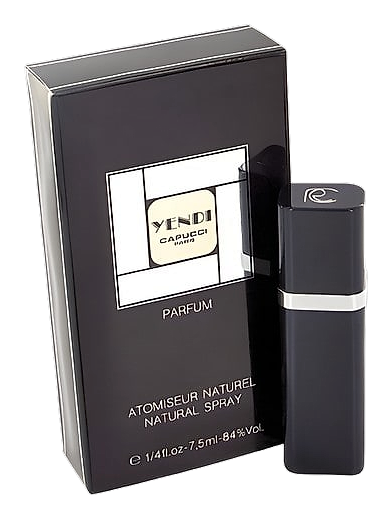
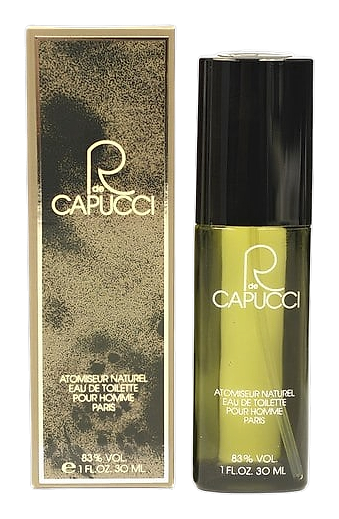
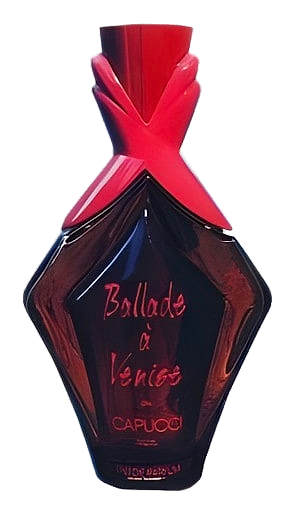
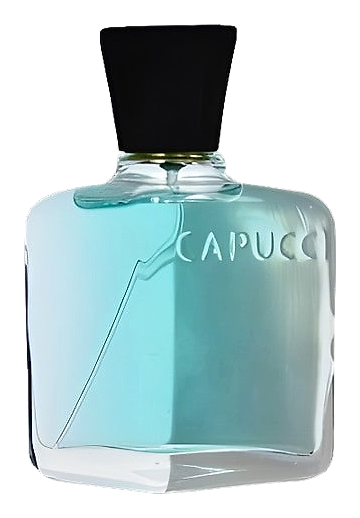
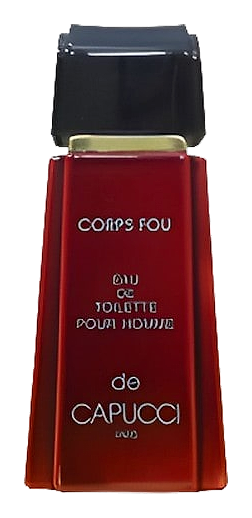
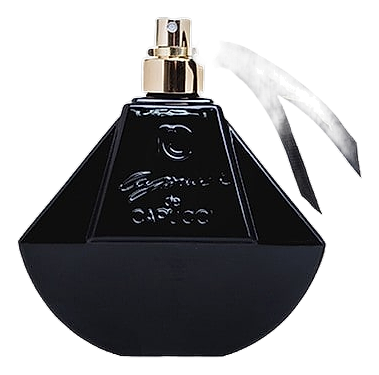
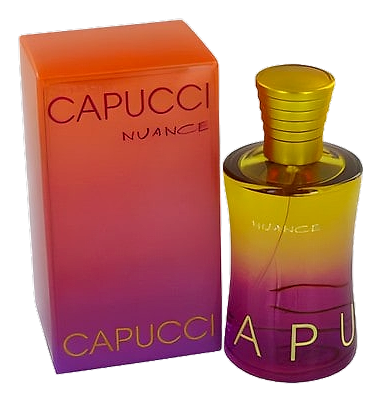
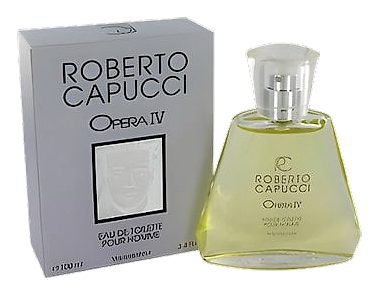
Roberto Capucci was born in Rome in 1930 and trained at the Accademia di Belle Arti before establishing his own fashion house in 1952. His early collections quickly attracted attention for their theatrical presentations and innovative use of fabric, establishing him as a significant voice in Italian fashion. The decision to launch a fragrance line came in 1963 with the release of Parce Que!, marking one of the earliest entries by an Italian couturier into the perfume market. The timing positioned Capucci among the pioneering fashion designers who recognized the potential for extending their aesthetic beyond clothing. The perfume house operated as a distinct entity within the broader Capucci brand, with Paolo Cerizza serving as a key collaborator on multiple fragrance formulations throughout the following decades. The 1970s proved particularly significant for the fragrance collection, with Yendi (1974) emerging as one of the house's most enduring and discussed compositions. Subsequent decades brought releases including Punjab (1979), R de Capucci (1985), and Corps Fou (1990), each reflecting evolving trends while maintaining the house's commitment to distinctive character. The new millennium saw continued releases such as Opera IV (2000), demonstrating an ongoing commitment to the perfume line even as the fashion house underwent various evolutions in ownership and direction. The fragrance collection has outlasted changes in the fashion business, continuing to be produced and distributed to the present day, with a 2026 edition reportedly in development according to fragrance databases. The Capucci approach to perfumery appears to have drawn direct inspiration from the designer's philosophy in fashion, where he consistently rejected the conventional boundaries between wearable art and theatrical spectacle. His fashion work is characterized by dramatic volumes, sculptural forms, and a willingness to challenge expectations about what clothing should look like or how it should move. The fragrance collection seems to have adopted a similar philosophy, prioritizing distinctiveness and memorable character over safe commercial formulas. Paolo Cerizza, who collaborated on multiple Capucci releases, brought an understanding of how to construct fragrances that register as cohesive artistic statements rather than mere combinations of pleasant notes. The house's willingness to revisit earlier compositions and reissue them suggests an understanding of fragrance as an ongoing dialogue with its audience, not a disposable consumer product. Rather than chasing trends in the fragrance market, Capucci has maintained a slower, more deliberate approach to releases, treating each new perfume as a significant event rather than a seasonal addition. This measured approach has resulted in a relatively compact fragrance library compared to more prolific fashion houses, though each addition carries weight within the collection.