The Story
Why it exists.
The beginning
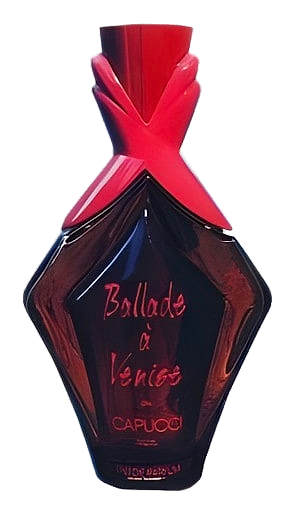
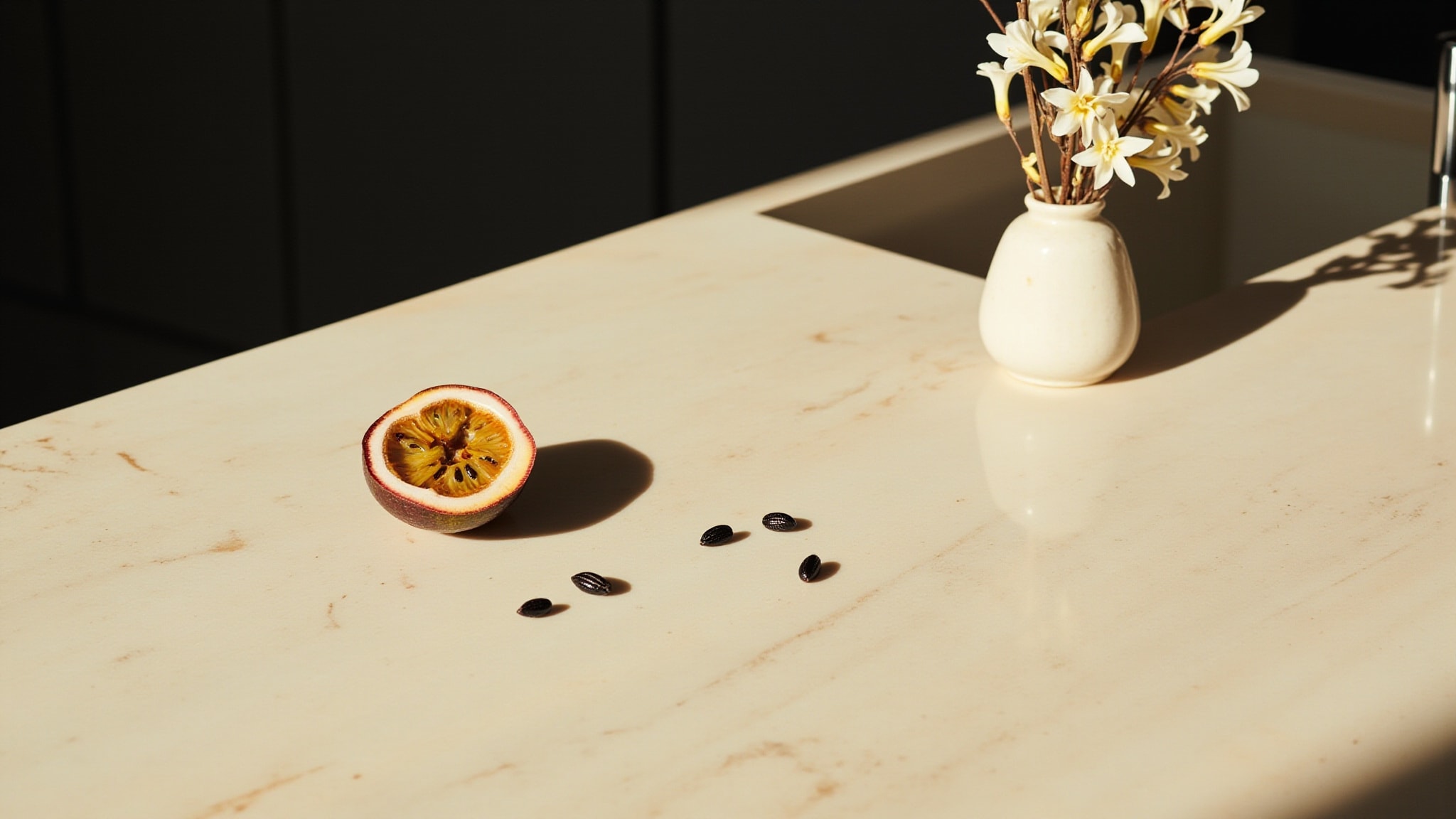
Ballade a Venise arrived in 1996. The name alone tells you something, a ballad is music, and Venice is a city built on water and spectacle. Roberto Capucci, working with perfumer Mane, didn't reach for the obvious Italian references. Instead, the composition turns on an unexpected combination: passion fruit and olive blossom, ylang-ylang and galbanum. The white florals are present, woven through with tropical sweetness, but there's a green undercurrent that runs beneath the surface. The galbanum doesn't announce itself loudly; it lingers at the edges, adding a slight bitterness that keeps the sweetness from becoming overwhelming.
The note structure here is unusual precisely because the base doesn't behave as a base typically does. Galbanum, a resin with an intense, green, slightly medicinal character, shows up as the only listed base note. In most compositions, this material would anchor the top and carry the drydown. Here, it appears at the end of the pyramid, which means it arrives late and stays. What you get is a fragrance that opens sweet and tropical, then slowly introduces an aromatic, slightly bitter counterpoint as the white florals begin to fade. The result is a powdery-green finish that most 90s florals simply don't attempt.
The evolution
The opening hits bright, mandarin, orange blossom, marigold arriving nearly at once in a cheerful, almost loud sequence. There's no hesitation. For a while, Ballade a Venise reads like a confident white floral with tropical support from the passion fruit. Then the jasmine and ylang-ylang deepen, and the powdery quality begins to establish itself. What surprises is what comes next. The galbanum makes its entrance, not dramatically, but as a quiet insistence. The tropical sweetness doesn't disappear. But something green and slightly bitter moves through it, slowing the softness, adding dimension. Eventually you reach the drydown: galbanum leading, the florals now distant, a warm powder remaining. The scent has staying power, a quiet presence that doesn't fill a room but announces itself to anyone who gets close.
Cultural impact
Released in 1996, Ballade a Venezia stands out for its unusual material choices, particularly the galbanum base, which adds a green, slightly bitter dimension to what could otherwise be a straightforward tropical floral. The composition balances sweet and sharp in a way that feels both sunny and grounded. Its tropical-yet-green character avoids the powdery aldehydic quality common to many fragrances of that period, creating something that feels distinctly different in its approach to white florals.