The Story
Why it exists.
The beginning
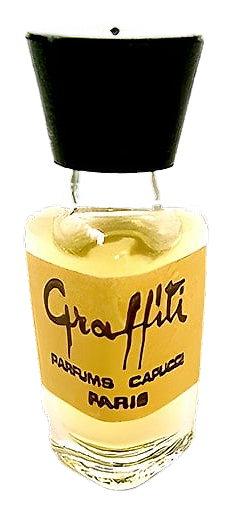
Graffiti arrived in 1963, one of the first two fragrances from Roberto Capucci alongside Parce Que!. The name suggests something spontaneous, quick marks, unexpected texture, yet the composition tells a different story. Every element is deliberate. The decision to build around aldehydes placed Graffiti squarely in conversation with the great chypres of its era, but the tropical fruit layer, wild strawberry, papaya, melon, added sweetness that set it apart. This was Capucci translating his sculptural fashion sensibility into scent: structured, confident, designed rather than discovered.
Aldehydes are the defining move here. In 1963, they signaled modernity, a kind of olfactory sharpness that felt engineered rather than natural. But pairing them with tropical fruit? That was the gamble. Strawberry and papaya bring softness, even playfulness, which could have undermined the aldehydic backbone entirely. The way Capucci's formulation handles it, letting the fruit arrive on cue, never drowning the metallic opening, suggests someone who understood that contrast requires discipline.
The evolution
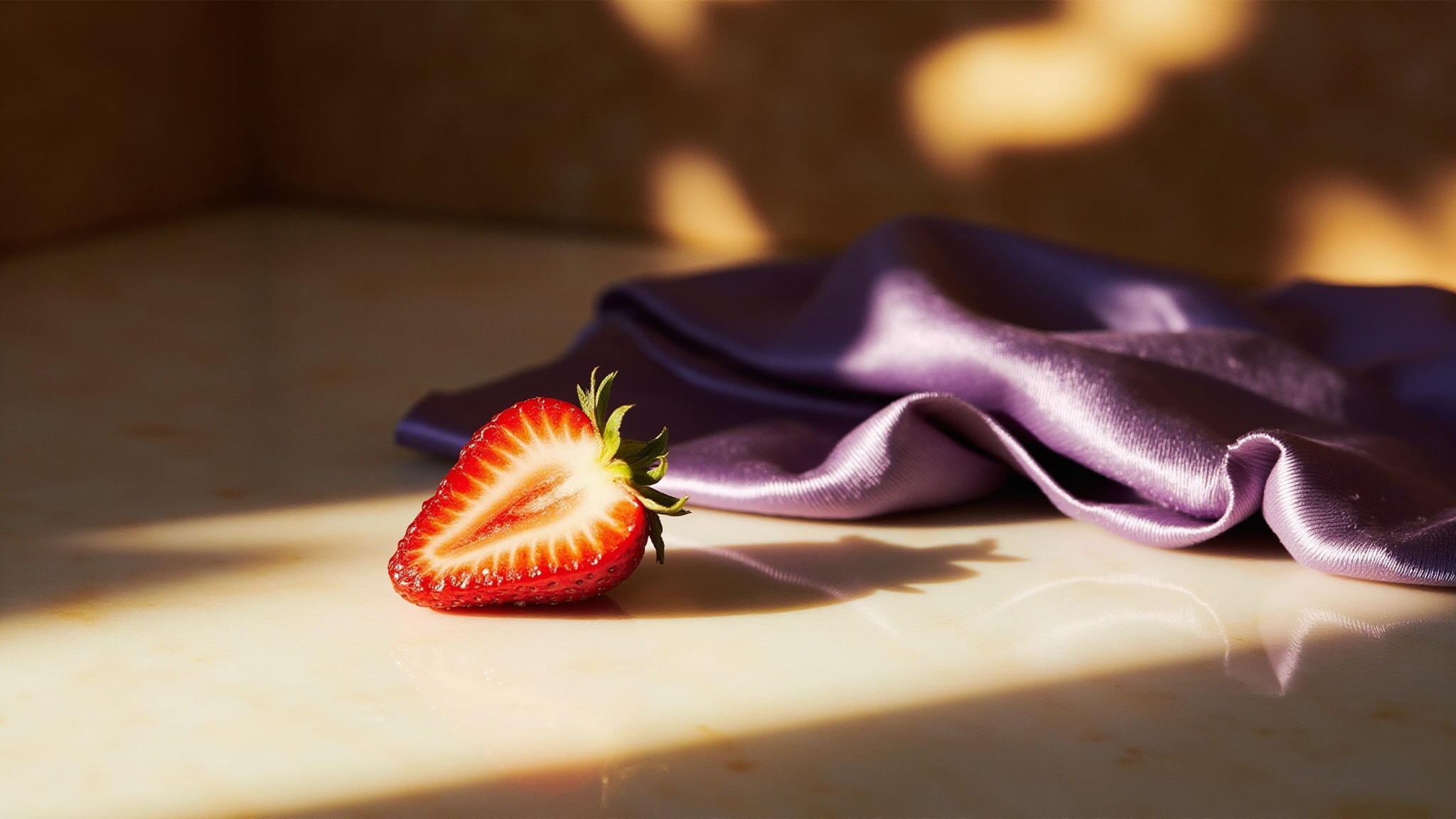
The aldehydes take the lead, arriving with a metallic brightness that announces itself immediately. They don't tease or develop gradually, they make their presence known right away. The green notes arrive after those initial moments, bringing a dewy freshness that tempers the aldehydic sharpness and prevents it from becoming too austere. Then the tropical fruits arrive. Strawberry brings a certain softness, papaya adds a gentle tropical weight that rounds out the opening. The heart develops as the top notes begin to settle, with rose and jasmine contributing body without ever dominating the composition. Violet emerges quietly, adding a powdery quality to the middle stages. Nutmeg provides the smallest hint of spice, subtle enough to intrigue rather than overwhelm. The drydown is where Graffiti earns its reputation.
Cultural impact
Graffiti occupies an interesting position among 1960s Italian chypres, offering something different: tropical sweetness within a classical structure. The aldehydic opening signals intention, the kind of fragrance that announces itself rather than whispering. For collectors, Graffiti represents a discontinued chapter of Italian perfumery, the kind of find that justifies the search. Its green-fruity aldehydic character feels both period-specific and surprisingly contemporary, which may explain why it still attracts attention decades after its launch.