
The Story
Why it exists.
The beginning
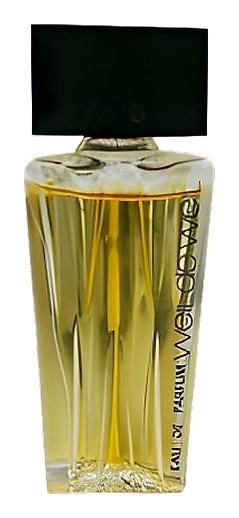
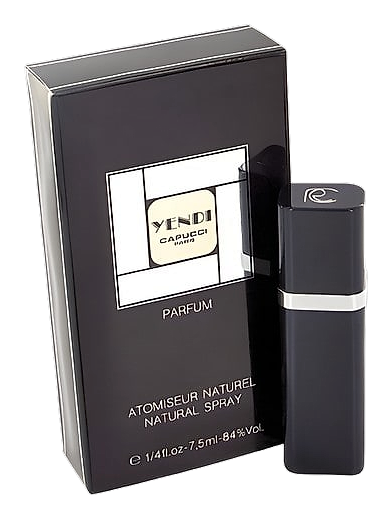
Roberto Capucci launched Yendi in 1974, adding a floral aldehyde to an Italian fashion house's fragrance collection that had begun eleven years earlier with Parce Que! The couturier, known for sculptural fashion that challenged what clothing should look like, approached perfume the same way: bold structure, unexpected choices. Paolo Cerizza formulated Yendi with an architectural sensibility, this wasn't a safe aldehydic floral following a template. It was a statement embedded in chemistry. The 1970s were peak aldehydic territory, but Yendi carved its own corner through the green-spicy hyacinth opening and the buttercream iris heart, compositions that felt less like perfumery convention and more like couture construction.
The accord that makes Yendi distinctive is the marriage of aldehydic lift with green hyacinth. Aldehydes, waxy, fatty-floral molecules, typically smooth and soften a composition. Here, paired with hyacinth's sharp, almost vegetable greenness, they create a tension: the aldehydes keep the green from becoming harsh, while the green keeps the aldehydes from becoming too powdery too soon. The result is an opening that feels simultaneously fresh and warm.
The evolution
The opening announces itself with aldehydic sparkle, that characteristic fizz that lifts the green and fruity notes. Hyacinth leads, sharp and clean, followed by peach and raspberry sweetness that doesn't quite ripen. The aldehydes dominate the first thirty minutes, creating the bright, almost metallic shimmer that defines the composition's entry. As the top notes soften, the heart develops: iris with its buttery powder, honey lending sweetness, and a green floral corsage of lily of the valley, orchid, and cyclamen that feels lush without becoming heavy. The rose appears here, adding a classic aldehydic-floral anchor. The drydown arrives gradually, over two to three hours. Sandalwood and vanilla form a warm, woody base, but the moss and styrax add an earthy, slightly bitter undertone that keeps the sweetness honest. The cedar provides structure. The musk and amber settle the composition into something powdery and close.
Cultural impact
Yendi has found its audience among collectors who appreciate the aldehydic-floral tradition without wanting to wear a classic template. The 1974 fragrance occupies a space between historical significance and genuine wearability, respected for its structure, sought after for its character. It joins a lineage of Italian aldehydic compositions that value material quality and bold dosage, positioning it for those who want sophistication without predictability.