The Story
Why it exists.
The beginning
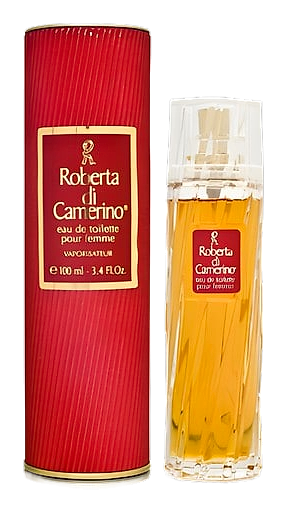
Roberta di Camerino Pour Femme arrived in 2002, reading as the olfactory equivalent of a bold printed scarf: saturated, opinionated, unmistakably Italian. Rather than chase clean transparency, the house built on a dense white-floral architecture that refuses to whisper. Tuberose is the thesis statement, and everything else either sets it up or cushions its landing. The composition refuses to be background, and that refusal is the point. It's a fragrance for someone who treats fragrance as accessory, not afterthought, in the same spirit as a Camerino foulard tied at the throat. On skin, the opening arrives with a creamy, almost indolic weight, tuberose stepping forward first, layered with the soft, suede-like warmth of gardenia and the brighter, indolic sweetness of jasmine.
What makes the structure interesting is the sheer density of the heart. Tuberose, gardenia, jasmine, magnolia, orange flower, narcissus, honeysuckle, orchid, and clove compete for attention in a single phase, and instead of muddling, the accord braids them into a creamy, indolic mass. The clove is the unexpected thread, a warm-spicy edge that prevents the white florals from collapsing into something merely pretty. It's a high-risk composition that rewards skin chemistry that can carry volume, and it explains why this one divides wearers rather than flattering everyone.
The evolution
The opening is brief and bright: marigold, bergamot, red berries, a flicker of fruit and citrus that reads almost like a polite handshake. Give it ten minutes and the handshake ends. The heart crashes in with that narcotic white-floral stack, tuberose leading, the indole turning almost green at the edges, the clove adding a candied warmth that keeps the florals from feeling cold. The sillage here is wide and confident. Around the two-hour mark the composition begins to compress, the florals softening as myrrh and amber take over, pulling the sweetness down into something resinous and golden. The patchouli and sandalwood arrive last, anchoring what remains of the floral memory into a warm, musky close. On fabric the next morning, the vanilla and amber persist, powdery and close, like the scent of a scarf that remembers last night.
Cultural impact
Pour Femme sits squarely in the lineage of tuberose-led white florals, a genre defined by density, narcotic sweetness, and a refusal to behave. Its architecture places the tuberose front and center, cushioned by gardenia and jasmine, with clove threading warmth through the cream. The result is warmer and more spiced than many of its floral peers, leaning into a richer, more honeyed territory rather than the cooler, greener expressions of the flower. For wearers, it's the fragrance of someone who treats scent as a deliberate accessory, closer in spirit to a printed scarf than a department-store impulse buy.