The Story
Why it exists.
The beginning
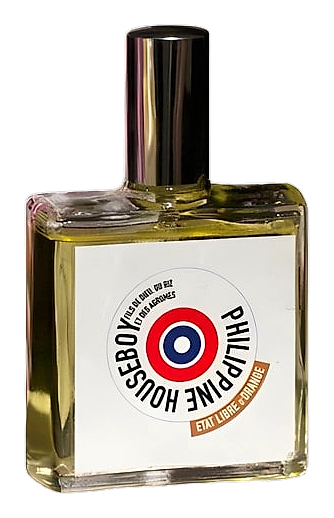
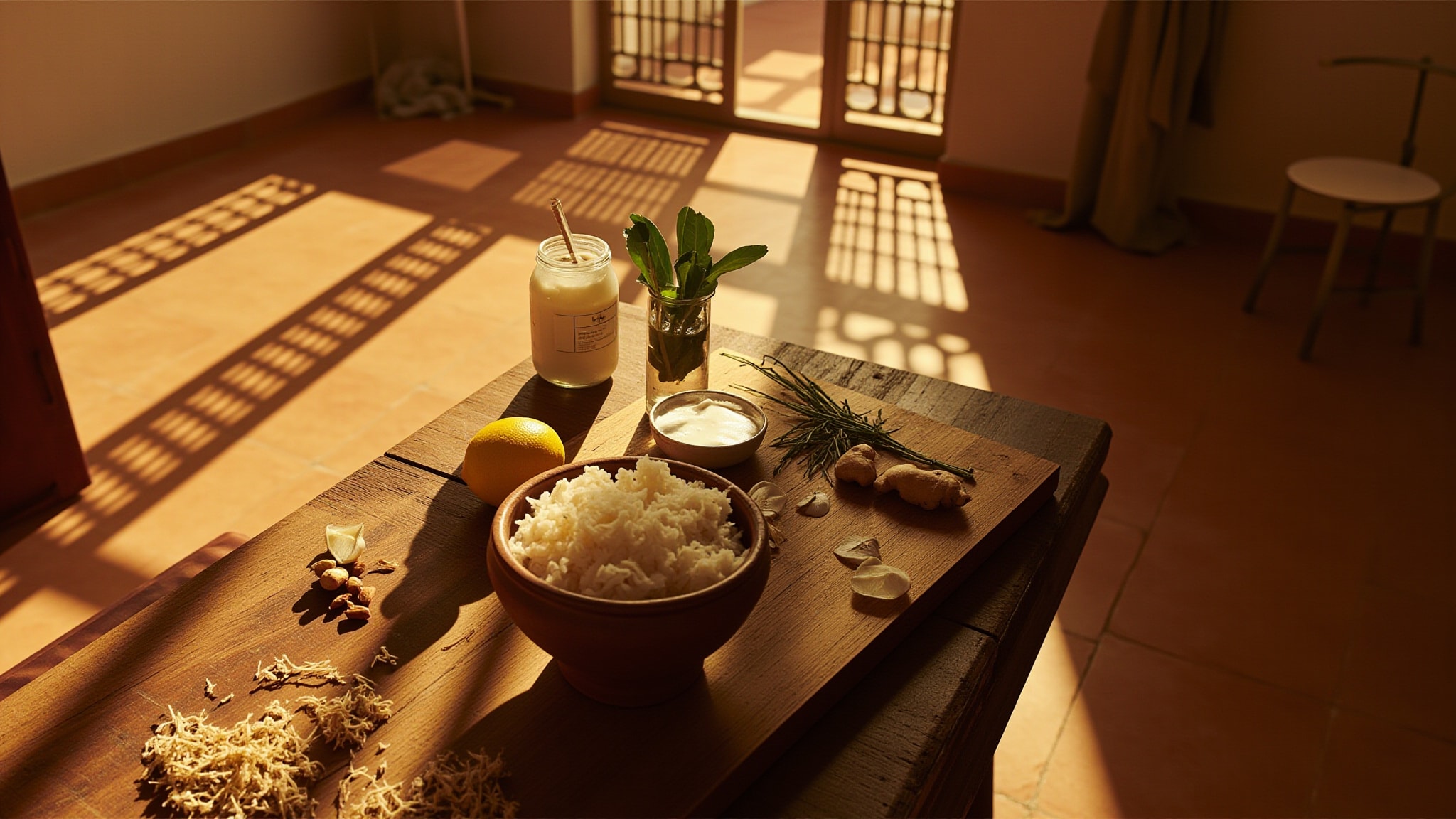
Built around an unlikely material: rice, used not as a supporting note or a passing reference but as a structural core. The brief came from the brand's own poetic mandate, État Libre d'Orange gave the perfumer a concept, then stepped back entirely to let the work find its own direction. What emerged was dedicated to the warmth and humility of Southeast Asian ingredients, to something tender and generous about feeding someone. The name translates roughly to Son of God of rice and citrus, provocative in its register, tender in its intent. It is a fragrance about service, exchange, and the pleasure of giving.
What makes this work is the tension between freshness and fullness. The citrus and ginger open bright and clean, you'd expect something aquatic or conventional here. Instead, rice arrives. Not as an abstraction, but as an actual starchy warmth, almost porridge-like in its creaminess. Coconut reinforces that edible quality without tipping into sunscreen territory. Then the warm spices, cardamom, cinnamon, add depth that feels savory rather than sweet. Jasmine and rose keep the heart from getting heavy, floating above the rice like steam.
The evolution
The opening announces itself quickly, a clean energized burst of citrus. Coriander adds a slightly herbal, almost peppery lift. Within minutes, the rice begins to assert itself, creeping up from the heart like steam from a pot. The coconut supports it, soft and milky, sweet without being cloying. The cardamom and cinnamon don't compete with the rice, they complement it, adding warmth and complexity. This phase lasts the longest, a savory-gourmand presence that never gets heavy. The jasmine and rose are quiet players here, lending a floral undertone that keeps things from feeling too earthy. As the drydown approaches, the musk and amber take over, softened by tonka bean. Vetiver adds a dry, slightly smoky finish. Castoreum lingers, a warm skin note that stays close, intimate. On fabric, the rice note can persist until the next day.
Cultural impact
Fils de Dieu du riz et des agrumes represents a deliberate challenge to Western perfumery conventions. By centering rice as a luxury fragrance material, État Libre d'Orange and perfumer Ralf Schwieger brought the quotidian into the exceptional, borrowing from Southeast Asian and Filipino culinary traditions where rice holds foundational importance. The fragrance participates in a broader cultural movement that saw non-Western daily ingredients reshaping luxury Western goods.