The Story
Why it exists.
The beginning
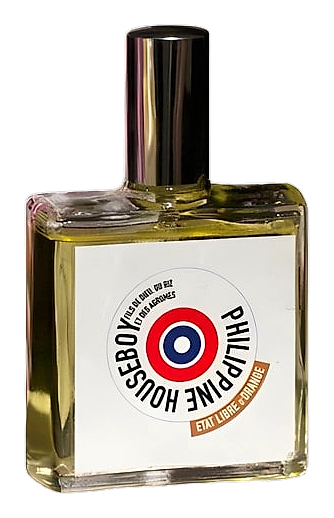
The name is a provocation. "Philippine Houseboy" arrived in 2012 from Ralf Schwieger and the Paris house founded on the principle that perfume should unsettle, not soothe. No focus groups. No commercial briefs. Just a perfumer given a name and told to build something worth the controversy. The title implies a person, a geography, a hierarchy, and Schwieger took all of that apart. What remains is the smell of tropical warmth reframed as something with weight. Not a postcard. Not a stereotype. A scent with something to say about what "tropical" actually smells like when it's honest rather than decorative.
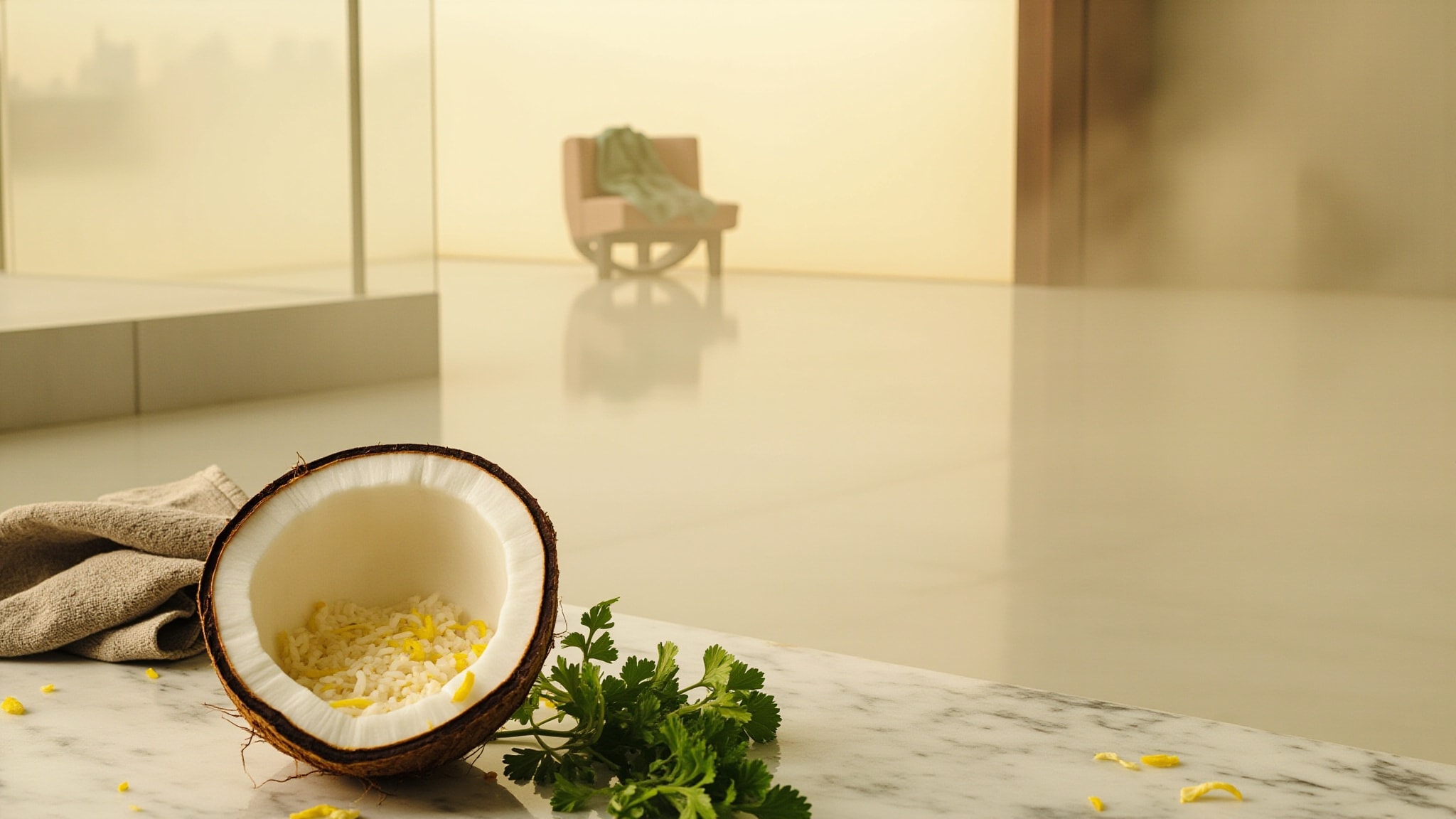
Rice as a heart note is unusual, most perfumers treat it as incidental, a supporting starch in oriental bases. Schwieger built the entire structure around it. The coconut and jasmine aren't the star attraction; they're the context that makes the rice read as itself rather than confusion. Cardamom adds a dusty spice that keeps the tropical elements from sliding into sunscreen territory. It's a tropical fougere, which is already an odd category, grassy, aromatic, with coconut instead of lavender. The result smells like somewhere humid and green, with a warmth that doesn't apologize for itself.
The evolution
The opening is all clean heat, ginger and lemon zest arrive fast, coriander threading between them with a faint anise edge. Fifteen minutes in, the coconut and rice take over the center stage. The jasmine appears briefly, sweet and waxy, before the rice note settles into the composition like something that was always supposed to be there. Amber and leather arrive last, pushing the whole thing toward skin warmth rather than projection. On most skin, the drydown holds for six to eight hours, close, warm, and intimate rather than announced. On fabric, it lingers overnight.
Cultural impact
The name alone guaranteed strong reactions. "Philippine Houseboy" sits in the house's tradition of titles that demand engagement, you can't be indifferent to a fragrance with a name like this. What followed was conversation: about what tropical actually means, about whether a rice note is genius or bizarre, about what it means to name a fragrance after a person rather than a feeling. Wearers who get past the name find a tropical fougere that earns its category. The fragrance rewards attention rather than demanding it.