The Story
Why it exists.
The beginning
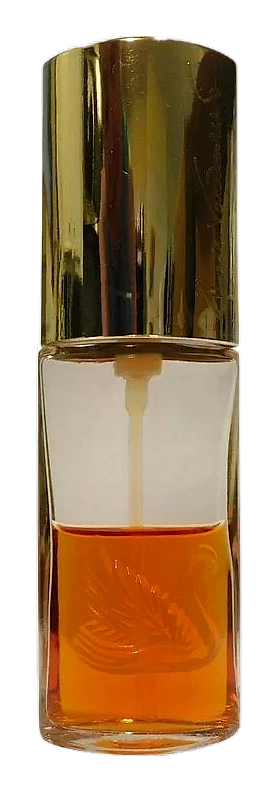
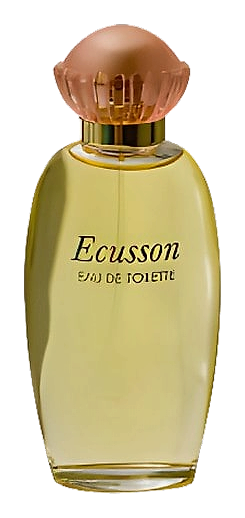
Écusson was the debut fragrance from a house operating under its original name, Parfums Jean d'Albret. In 1947, Jean d'Albret released its first fragrance, Écusson, an aldehydic floral that announced the label's arrival with confidence. The name itself means coat of arms, heraldic, ancestral, a word that suggests pedigree without raising its voice. Carnation, jasmine, violet, and ylang-ylang composed the body; iris and lemon held the entrance. The aldehydic lift at the top gives way to a heart where the carnation carries a clove-warm spice, and the jasmine and ylang-ylang smooth the edges into something plush rather than sharp. Violet lends its dusky sweetness, pulling the whole bouquet toward a candied, almost confectionary softness.
What makes the composition distinctive is how it builds tension between powder and spice. The carnation sits at the heart like a hinge, clove-warm and slightly peppery, pulling the bouquet's softness toward something with weight. Iris at the opening delivers that cool, almost metallic violet-root note, then lemon sharpens the top so the whole thing reads as luminous rather than dusty. The chypre architecture underneath, with oakmoss, vetiver, and a warm vanilla-musk finish, gives it a staying power that holds its shape on skin rather than dissolving into abstract sweetness.
The evolution
The opening belongs to iris and lemon, cool and bright, with a faint aldehydic flicker that catches the light without insisting on itself. The violet-root facet of the iris gives the first minutes a mineral quality, almost stony, before the lemon's citric sharpness cuts through and lifts everything into the air. As the aldehydes recede, the carnation takes over, warm, clove-edged, slightly powdery, and the jasmine and ylang-ylang weave in around it like soft fabric. Violet adds that dusky, almost candied sweetness that keeps the heart from feeling too austere, a quiet sugar that rounds the spice without flattening it. The drydown settles slowly: oakmoss and vetiver arrive first, green and earthy, then sandalwood rounds the edges, and vanilla wraps it all together with a soft musk underneath.
Cultural impact
Écusson draws on a classical vocabulary that places it within the broader tradition of mid-century French floral perfumery, where aldehydic openings give way to clove-spiced hearts and chypre bases. Its iris-carnation-vetiver architecture reflects the structural ambitions of that era's compositions, compositions built on tension between powdery florals and green, earthy foundations. The carnation's clove warmth, the violet's candied duskiness, and the oakmoss-vetiver base all speak to a moment when perfumers treated florals as architecture rather than decoration.