The Story
Why it exists.
The beginning
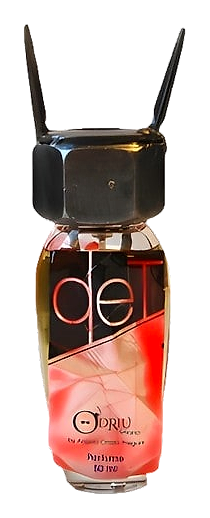
Linfedele 1003 arrived in 2011, part of the first wave from a house that barely existed yet, and each early release read like an experiment rather than a product. Linfedele 1003 was one of those experiments. The numerical title reads as something closer to a catalogue entry than a romantic name, stripped of ornamentation and left as a bare coordinate in a larger system. Production was limited, and the fragrance has reportedly been discontinued, which means whatever bottles exist now are all that will. The release sits at the edge of O'Driu's earliest output, a moment captured in glass before the house settled into whatever shape it would eventually take.
What makes Linfedele 1003 unusual is the density of its construction: green, resinous aromatics stacked against something dense and animalic. Bay leaf and galbanum bring a sharp, almost bitter greenness that cuts through the heavier elements. Leather and tobacco give it weight, grounding the composition in something tactile and worn. Then frankincense, styrax, and myrrh build a smoky, incense-heavy architecture underneath, a haze of resin that lingers in the background. The jasmine is there but buried, adding a faint sweetness rather than a floral statement.
The evolution
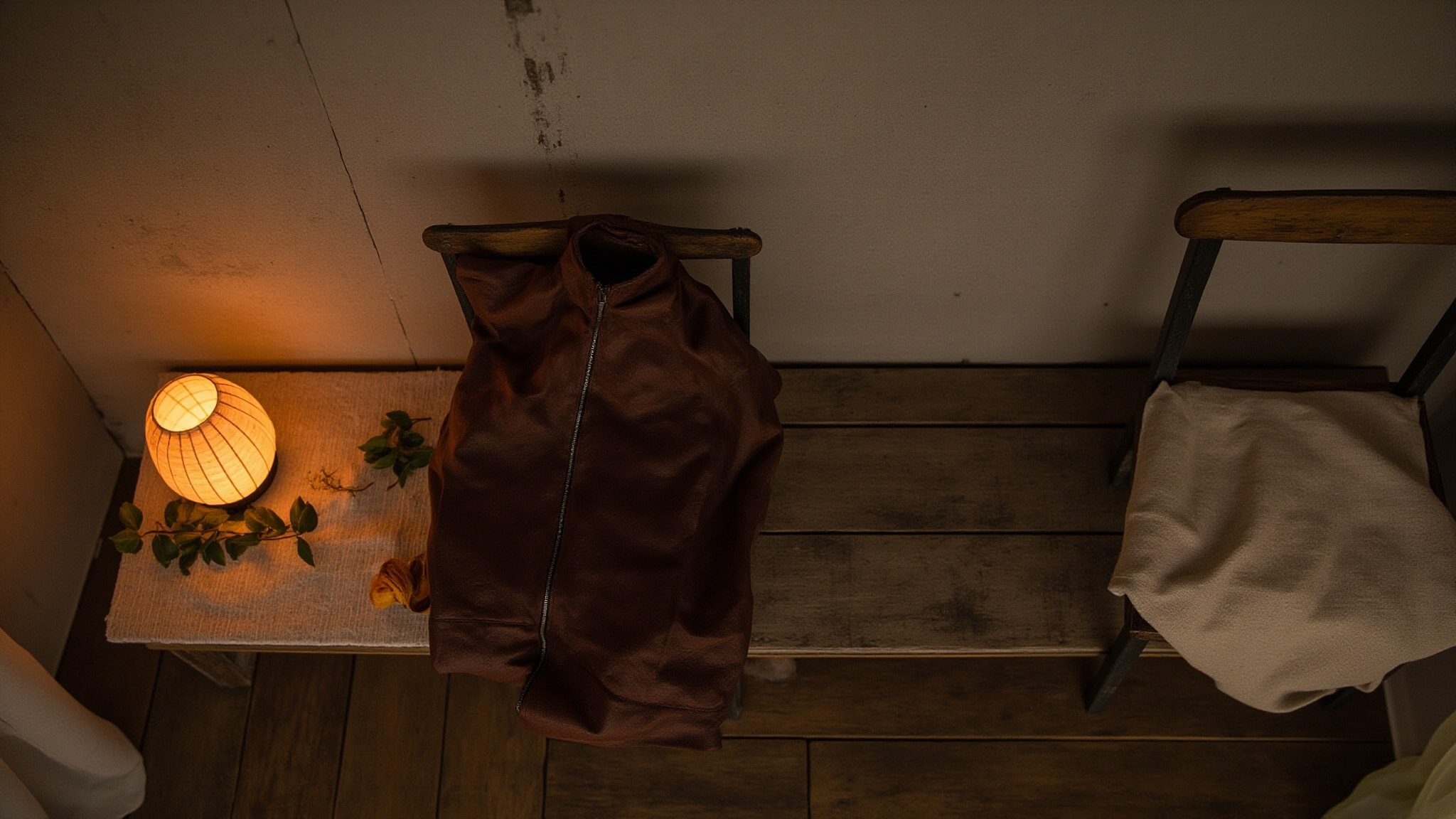
The opening hits cold and herbal. Bay leaf and pine dominate, with orange offering a thin, bitter citrus thread rather than sweetness. Leather arrives early, but it's the new-leather smell of a workshop, not a luxury goods store. As the green elements begin to settle, the resins take over. Frankincense and styrax bring a church-candle smoke, and galbanum's sharpness softens into something almost mossy. The jasmine peeks through, surprisingly, like someone left a window open in a room full of incense. Eventually, you settle into the base: tobacco, myrrh, juniper, and myrtle settle into a warm, slightly sweet, slightly bitter drydown. The leather doesn't fade. It just changes character, from workshop-fresh to something more worn, more personal. Projection and longevity are above-average, and what's left on skin the next morning reads as soft tobacco and resin, close and quiet.
Cultural impact
Linfedele 1003 sits in a small, deliberate orbit. It was never widely distributed, and its reportedly discontinued status makes it a relic of O'Driu's earliest experiments. The fragrance belongs to a moment that can't be revisited or restocked, existing only in the bottles already in circulation. For those who encounter it, the appeal lies in its scarcity and in the particular character O'Driu developed in those first releases, unpolished by later refinement. It functions almost like a first-edition print: not necessarily the final statement, but a record of where the work began.
The House
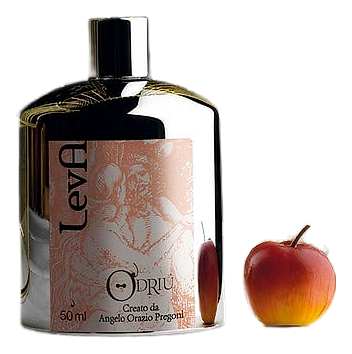
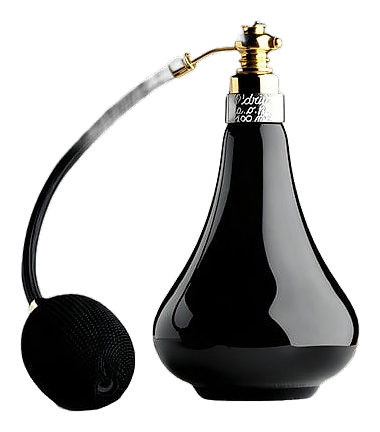
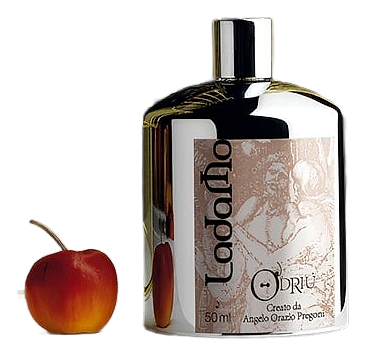
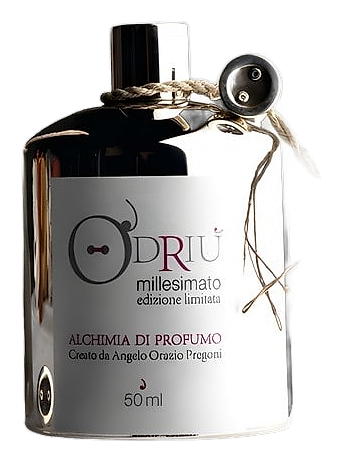
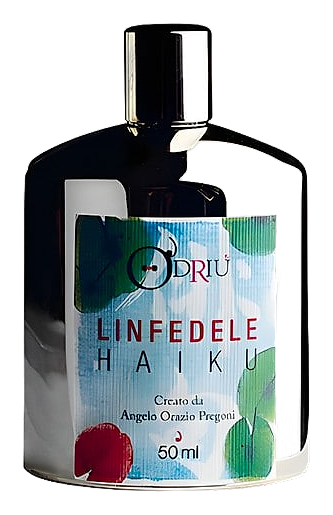
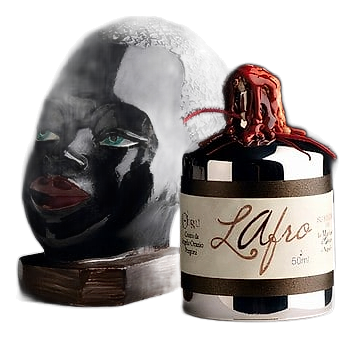
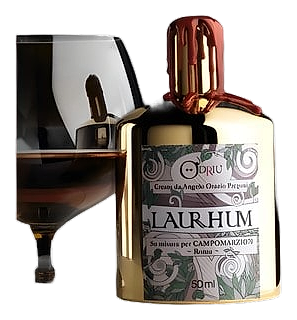
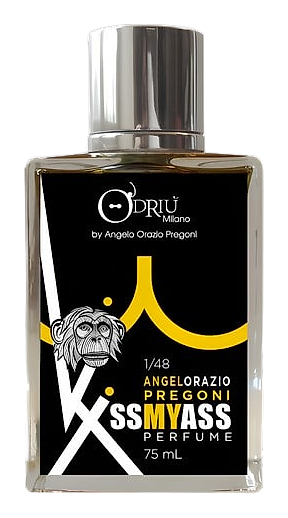
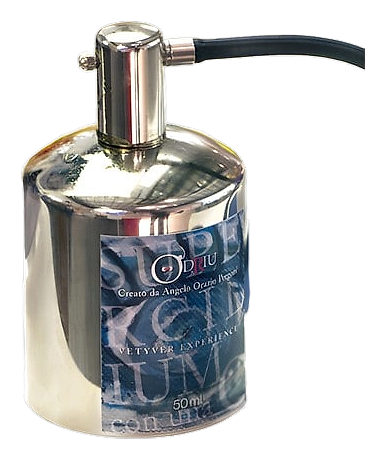
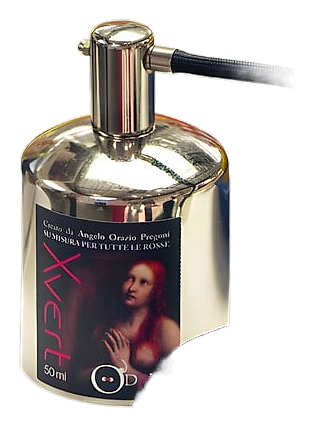
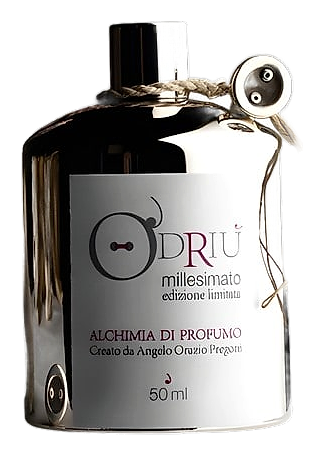
O'DriuO'Driu is a niche perfume house that emerged from Italy in 2010. Founded by artist‑perfumer Angelo Orazio Pregoni, the brand blends visual art with olfactory experimentation. Its releases are issued in very small batches, often only a few hundred bottles, which gives each scent a collector’s aura. The line’s catalogue includes titles such as Lalfeorosa (2011), Laurhum (2012), and Linfedele Haiku (2014), each reflecting Pregoni’s penchant for inventive naming and unconventional compositions. O'Driu operates outside mainstream distribution, offering its fragrances through a curated network of specialty retailers and direct‑to‑consumer channels.
The Creator
Angelo Orazio PregoniHis signature technique blends rigorous material research with improvisational mixing. He favors natural absolutes—oud, labdanum, ambergris—and pairs them with unexpected synthetics that sharpen contrast.