The Story
Why it exists.
The beginning
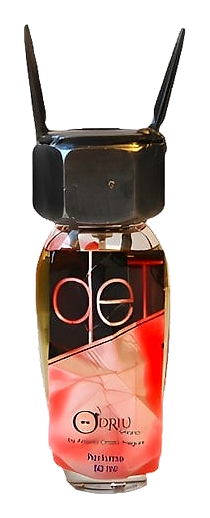
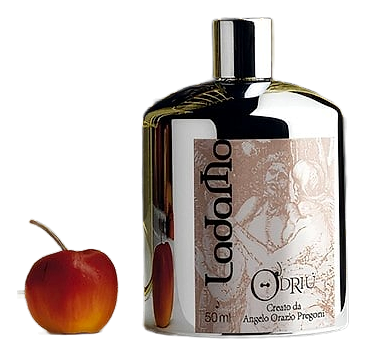
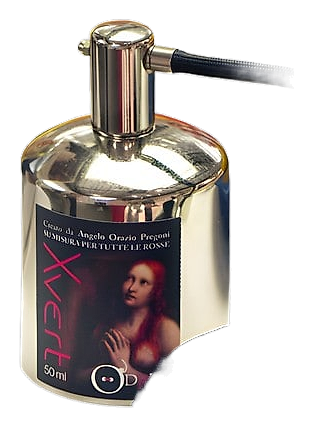
Xvert arrived in 2012 as part of Angelo Orazio Pregoni's body of work under the O'Driu label, a house that has carved out an unusual position in independent perfumery. Pregoni, who founded and continues to run the brand, has built O'Driu around a catalog of compositions that resist categorization, favoring invented words over traditional perfume titles. The name Xvert itself, fragmented and slightly alien, sits comfortably within that catalog, where language bends as readily as the compositions do. Reviews describe the fragrance as green, spicy, and deeply vegetal, with dill, tarragon, cardamom, magnolia, hay, and sandalwood forming a structure that leans toward decay and compost as much as it does toward vitality.
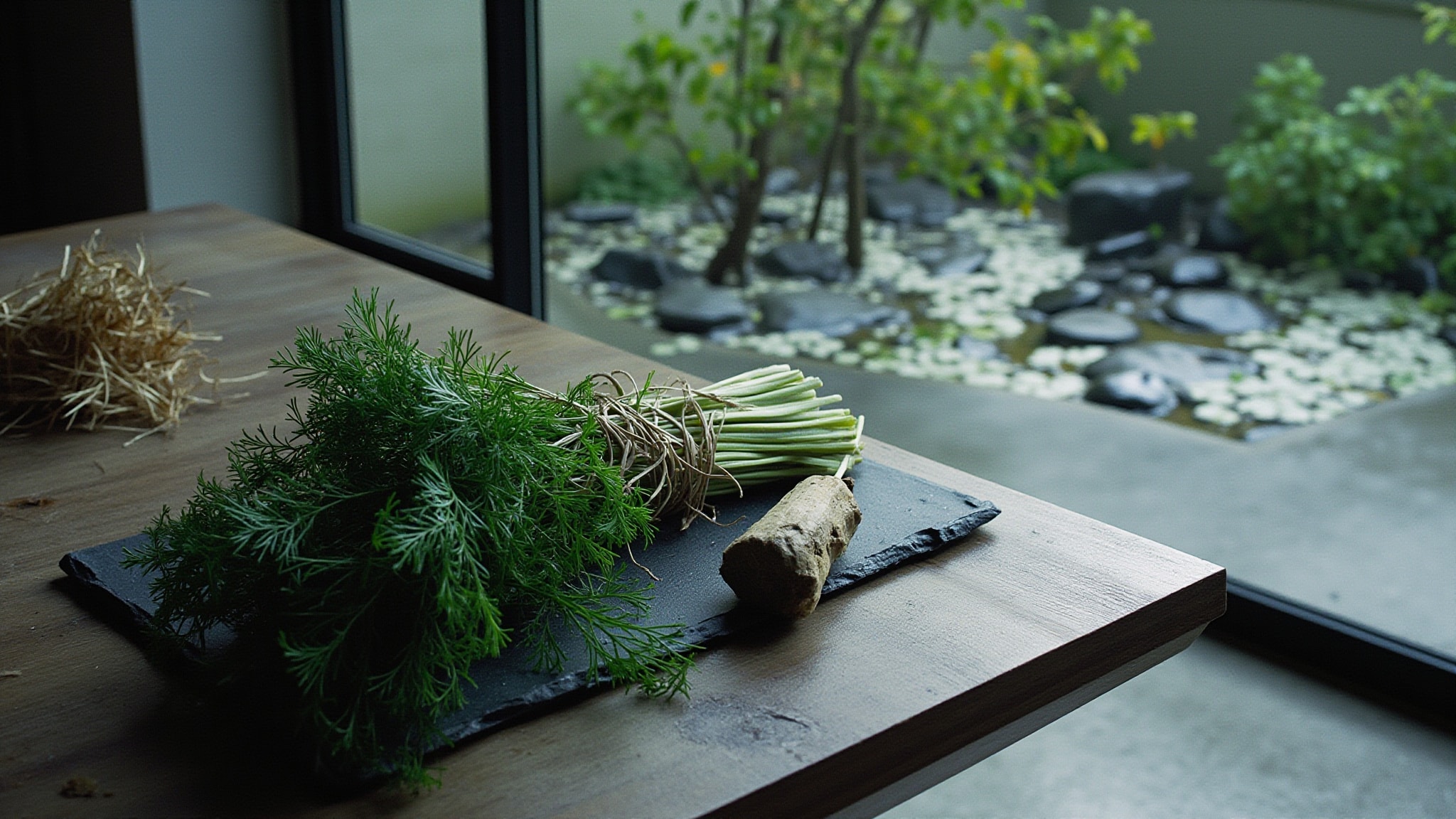
What separates Xvert from more conventional green-spicy templates is the weight of decay running underneath its composition. Instead of aiming for crisp brightness, Xvert leans toward the composting corner of the garden, where last season's leaves are turning into next season's soil. Dill, a recurring material across the O'Driu catalog, appears here again, and reviewers have noted how the brand handles it differently from typical culinary treatments.
The evolution
The opening arrives wet and green, dominated by that dill-leaf accord that reads as crushed foliage rather than pickle brine. Magnolia softens the edges slightly but doesn't sweeten them, contributing a waxy floral counterpoint that keeps the green from feeling purely vegetal. As the composition settles, the dill recedes and the tarragon-cardamom spine takes over, pushing the scent warmer and more herbal, almost like a kitchen where something complicated is simmering. There's a cumin-adjacent warmth that hovers without dominating, lending an earthy depth to the spice. The base begins to assert itself as the hours pass: hay first, dry and sun-baked, then sandalwood underneath, creamy enough to ground the spice but not enough to tame it.
Cultural impact
Xvert sits inside O'Driu's distinctive catalog of compositions, a project shaped entirely by Angelo Pregoni and built around materials and structures that resist convention. The fragrance has earned attention within niche fragrance communities for its willingness to combine dill, magnolia, tarragon, cardamom, hay, and sandalwood in a structure that refuses easy sweetness. Reviewers have noted its polarizing nature, describing it as unusual, complex, and sometimes challenging, with longevity rated above-average to excellent. Enthusiasts point to it as representative of the house's approach: dry, conceptual, and unapologetically individual.