The Story
Why it exists.
The beginning
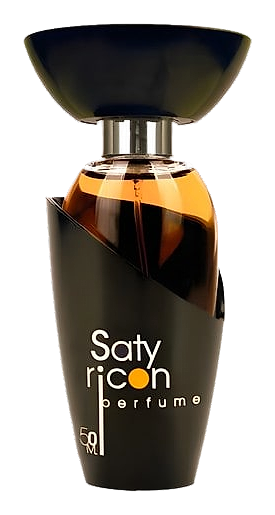
The name Satyricon references Petronius Arbiter's ancient Roman novel. The fragrance translates that energy into smoke, sweetness, and something savory enough to resist easy categorization. It landed in 2015. The composition opens with a dark fruit accord that sits alongside bitter cocoa, while cumin arrives early as a structural element rather than a fleeting accent. Smoke builds through the heart, not politely but insistently, weaving between herbal and woody facets. What emerges is a scent that refuses the comfort of simple classification, where sweetness never quite wins and savory never fully surrenders.
What separates Satyricon from the pack is the cumin. Not as a top-note cameo, but as a structural element, the savory thread that runs through the heart and keeps the plum-cocoa sweetness from collapsing into dessert. O'Driu's house style leans culinary, and this fragrance embodies that tendency. The cocoa isn't chocolate gourmand. It's darker. The plum isn't a fruit-bowl moment. It's fermented, almost wine-like. And the smoke doesn't arrive politely. It builds.
The evolution
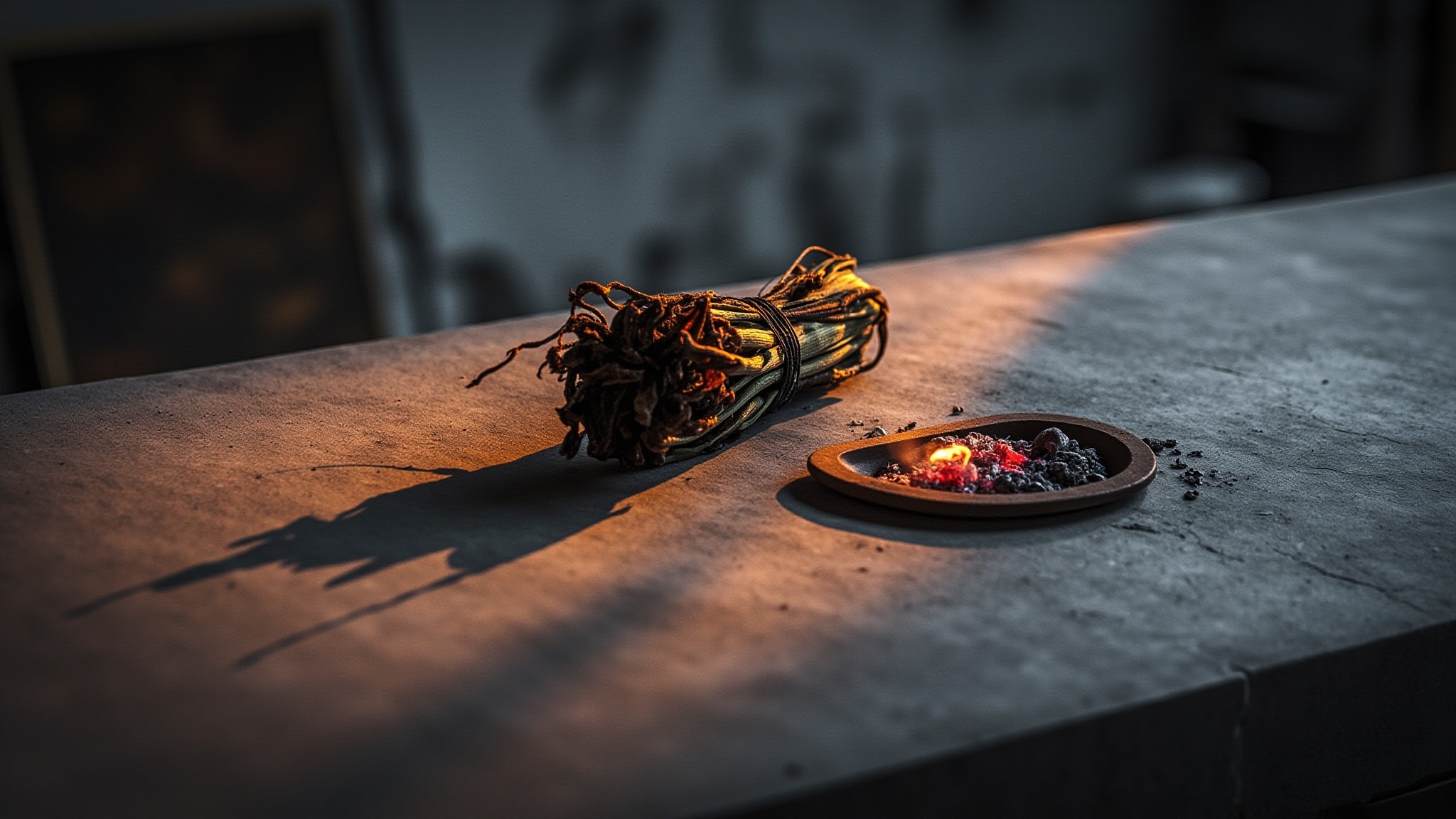
The opening hits with plum's dark fruit and cocoa's bitterness in the same breath. Cumin follows immediately, O'Driu's unmistakable savory signature, present from the first seconds rather than appearing later as a complication. The heart is where the fire catches. Cedar logs hit the flame, birch adds a minty-sweet counterpoint, myrrh brings balsamic depth. For the next several hours, smoke and herb alternate dominance. When the pyrotechnics finally fade, what's left isn't a shadow of the opening, it's a different fragrance. Clean cedar, dry vanilla, no ash. The drydown holds long after the smoke clears, giving Satyricon impressive longevity that extends well beyond the initial burst.
Cultural impact
Satyricon occupies a specific corner of niche perfumery. Its discontinued status has sharpened its appeal among collectors who prize rarity. The cumin note is the pivot point. Those who understand O'Driu's culinary vocabulary find it essential. Those expecting conventional smoky-woody structure often don't. It's a fragrance that demands something from the wearer, that refuses to be merely pleasant or easily dismissed.
The House
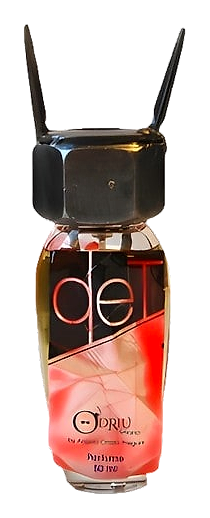
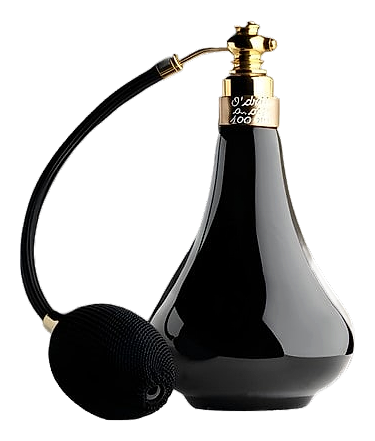
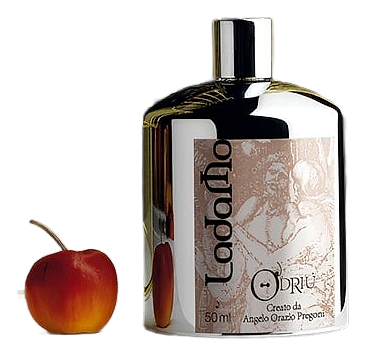
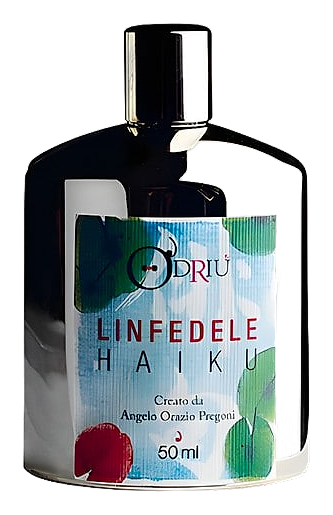
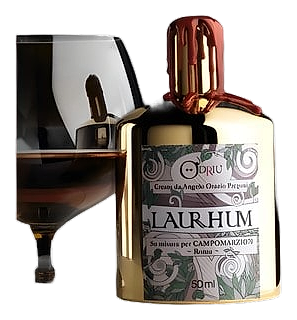
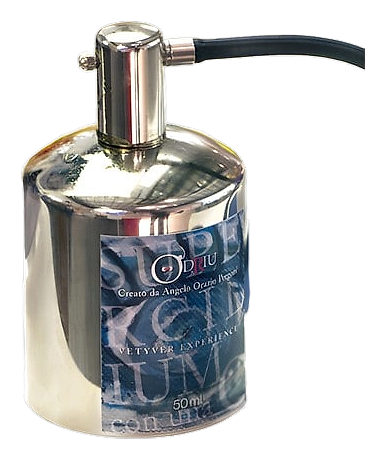
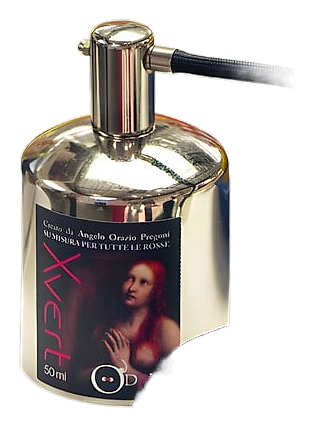
O'DriuO'Driu is a niche perfume house that emerged from Italy in 2010. Founded by artist‑perfumer Angelo Orazio Pregoni, the brand blends visual art with olfactory experimentation. Its releases are issued in very small batches, often only a few hundred bottles, which gives each scent a collector’s aura. The line’s catalogue includes titles such as Lalfeorosa (2011), Laurhum (2012), and Linfedele Haiku (2014), each reflecting Pregoni’s penchant for inventive naming and unconventional compositions. O'Driu operates outside mainstream distribution, offering its fragrances through a curated network of specialty retailers and direct‑to‑consumer channels.
The Creator
Angelo Orazio PregoniHis signature technique blends rigorous material research with improvisational mixing. He favors natural absolutes—oud, labdanum, ambergris—and pairs them with unexpected synthetics that sharpen contrast.