
The Story
Why it exists.
The beginning
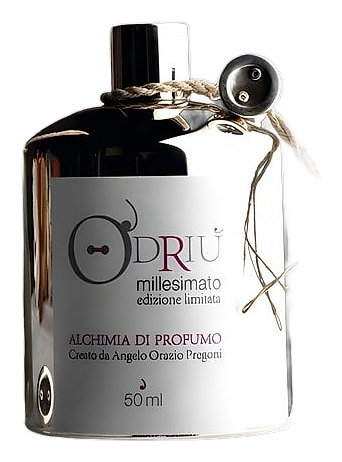
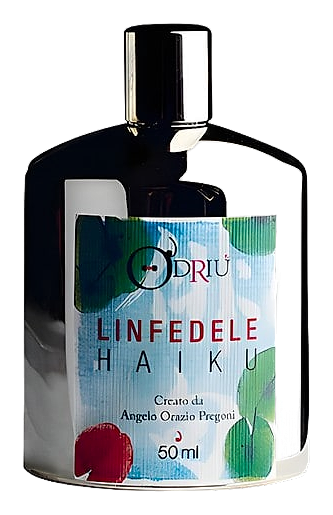
The name holds the key. Haiku, that Japanese poetic form built on brevity and silence. Three lines. Seventeen syllables. A whole moment compressed into nothing. Angelo Orazio Pregoni conceived this fragrance as an olfactory haiku itself, a capture of something impossible to hold. The castoreum, frankincense, and pine needle opening mirrors that austere Japanese aesthetic, pine forests and incense temples. As it develops through the heart and into the base, the compression continues, layers folding into layers until the whole thing resolves into something small and complete, a single breath you can hold.
What makes Linfedele Haiku unusual is the placement of materials that usually play a supporting role. Castoreum, that animalic secret usually buried in drydown, opens the composition here, lending an immediate rawness. Coffee and mate, two stimulants typically associated with brightness and energy, anchor the base and become something quieter, more contemplative. O'Driu doesn't follow the pyramid so much as rearrange it. The result is a fragrance that starts bold and resolves into warmth without ever quite letting go of its edge.
The evolution
The opening hits with pine needles and black pepper, sharp, almost aseptic. Grapefruit flickers briefly before castoreum arrives, bringing smoke and a slight animalic edge. Frankincense sits underneath, keeping everything grounded in resin. By the second hour, angelica and cardamom have moved to the foreground, their spiced warmth replacing the initial bite. Vanilla emerges quietly. Myrrh and patchouli layer in, adding depth without sweetness. The smoky animalic quality doesn't disappear, it recedes, becoming part of the texture rather than the statement. By hour three, the drydown arrives: coffee and mate in the lead, but softened by barley's grain. Vanilla persists throughout, threading warmth into the final stages. Faint, woody, resolved.
Cultural impact
O'Driu operates outside the traditional fragrance apparatus. The house communicates primarily through independent fragrance communities and blogs, which have followed its releases over the years. Linfedele Haiku fits into this lineage, a 2014 release that attracted a specific kind of wearer: someone who discovered the house through word of mouth rather than traditional advertising. The approach to production means bottles change hands among collectors who appreciate the rarity and the artistic positioning. This isn't fragrance for everyone.