Bean
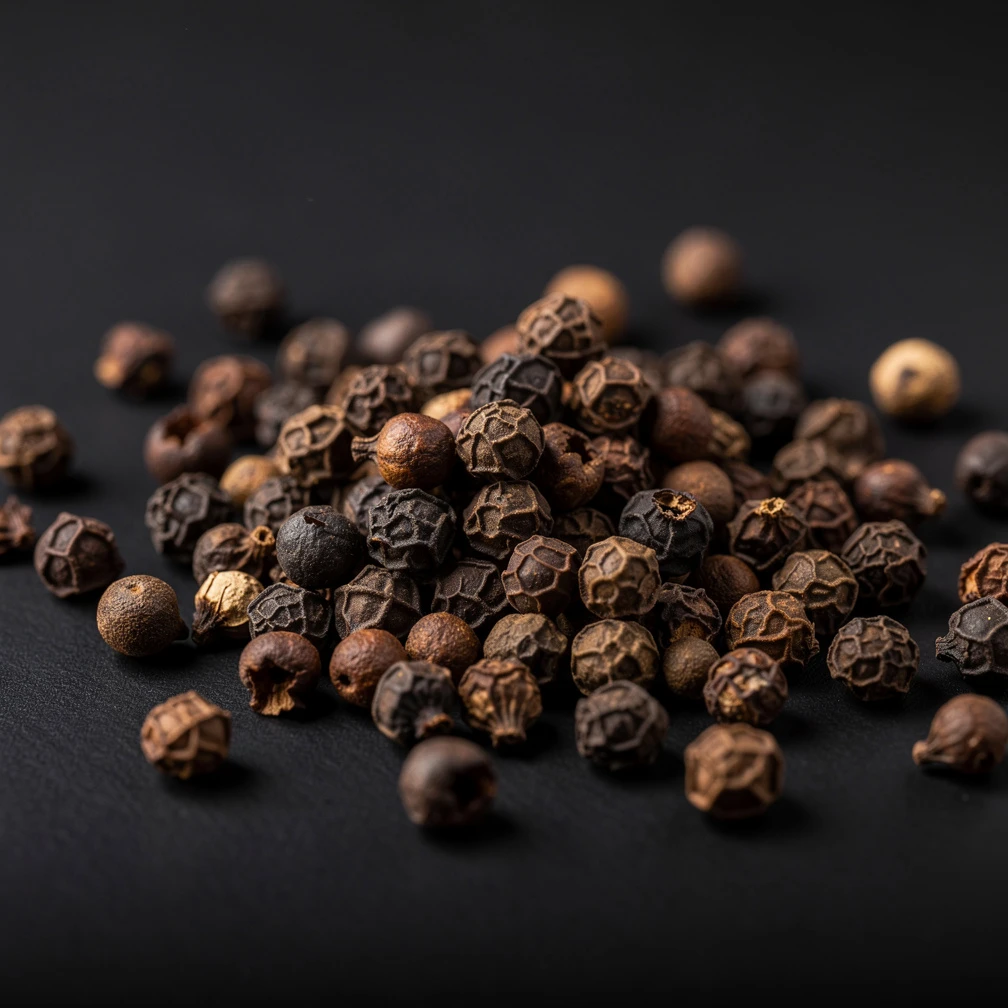
A seed the size of an olive sparked one of perfumery's greatest pivots. Discovered in South American rainforests, dried to develop its signature warmth, and finally extracted into a fixative that defined the fougère family and reshaped modern fragrance chemistry.
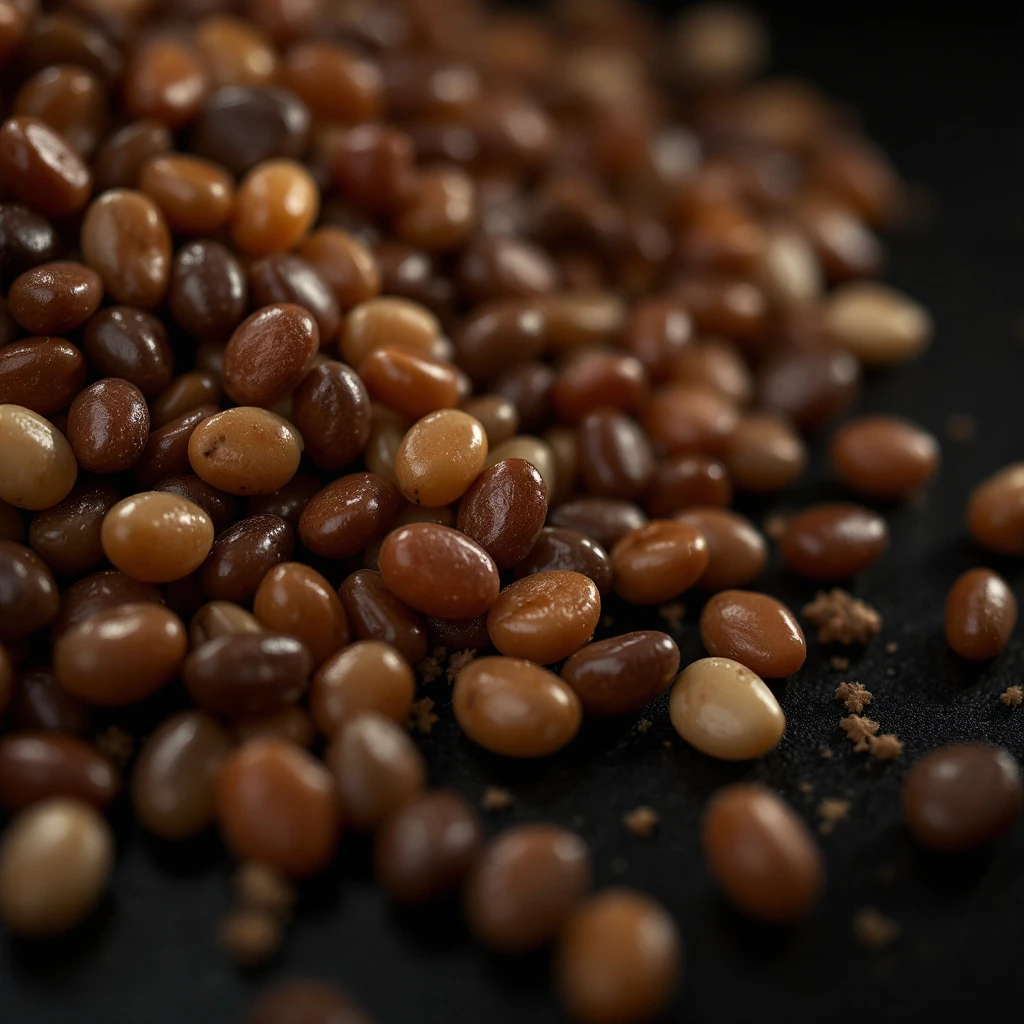
Character
How it smells
The seed that built the fougère family
Synthetic coumarin, derived from studying tonka, launched modern perfumery in 1882 with Fougère Royale.

Origin
Venezuela
French chemist Guillaume Joseph Goutay first isolated coumarin from tonka beans in 1823, giving the compound its name from the indigenous word coumarou. For decades, perfumers imported naturally harvested tonka beans to access this aromatic material.
In 1868, English chemist William Henry Perkin synthesized coumarin in the laboratory, making the compound widely available without relying on tropical harvests. Perfumer Paul Parquet seized this innovation and incorporated synthetic coumarin into Fougère Royale, launched by Houbigant in 1882.
The fragrance created the fougère family and demonstrated that synthetic chemistry could anchor a creative vision. This moment is widely recognized as a turning point in the history of modern perfumery, opening an era where lab-created aroma molecules would routinely work alongside naturals.
Wears it best
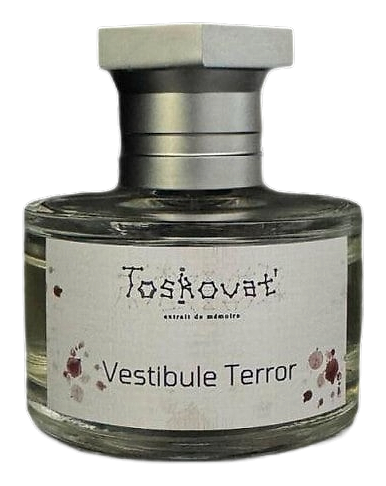
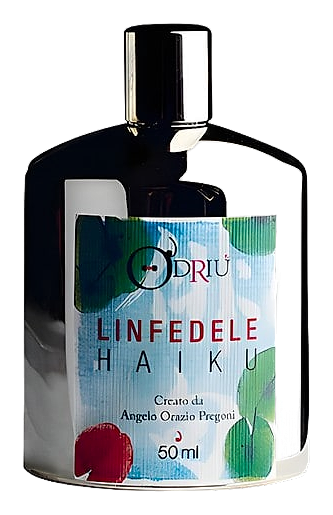
Fragrances featuring Bean
Good to know
Questions, answered
The essentials on Bean in perfumery: how it smells, where it comes from, and how it behaves on skin.
What does tonka bean smell like?
Tonka bean smells warm, sweet, and creamy, with distinct vanilla and caramel facets. It also carries hay-like, slightly nutty, and powdery undertones that give it remarkable complexity.
Why is tonka bean used in perfumery?
Tonka bean serves as both a fragrant material and a fixative. It enriches a fragrance's heart with warm, sweet character while helping top notes linger on the skin longer.
Is tonka bean used in its natural form today?
Regulatory restrictions on coumarin content limit natural tonka bean in most markets. Most perfumers rely on high-quality synthetic coumarin, which captures the warm, sweet profile of the original natural material.
What fragrance families use tonka bean most?
Fougère fragrances are the most iconic tonka carriers, built around coumarin's green, hay-like warmth. Oriental fragrances and gourmand compositions also rely on tonka for their sweet, warm foundations.
How does tonka bean contribute to a fragrance's sillage?
Coumarin acts as a fixative by slowing the evaporation of more volatile top notes. This extends a fragrance's projection and keeps the scent present on skin for hours.
What is the origin of the tonka bean?
Tonka beans come from Dipteryx odorata, a large tree native to Venezuela, Guyana, and Brazil. The beans develop their aroma during the drying process after harvest from the rainforest.
What happened before synthetic coumarin existed?
Before 1868, perfumers used solvent-extracted tonka bean absolute to access coumarin's aroma. Imports from Central and South America made this material rare and expensive until laboratory synthesis made it widely affordable.
What was the significance of Fougère Royale?
Houbigant's Fougère Royale (1882) was the first fragrance built around synthetic coumarin. It created an entirely new fragrance family and proved that synthetic materials could serve as the creative backbone of a perfume.