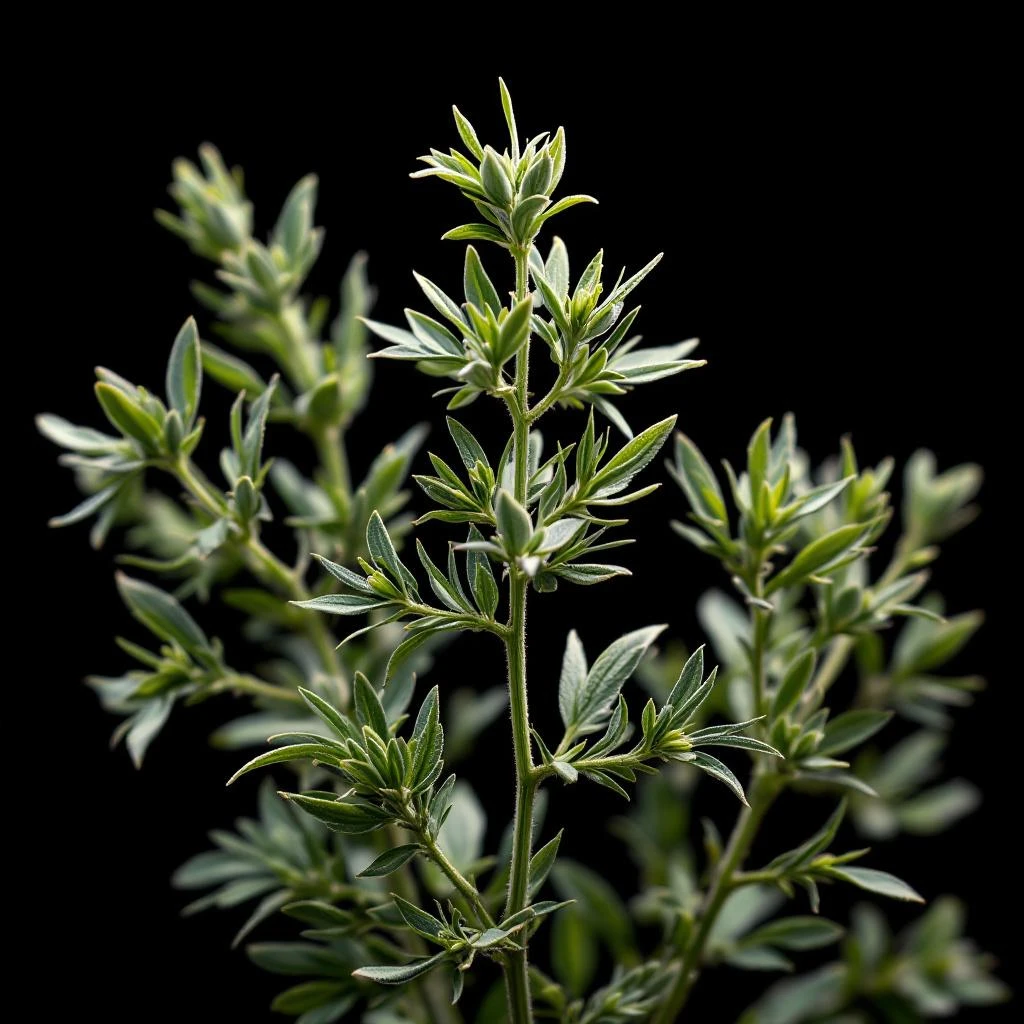
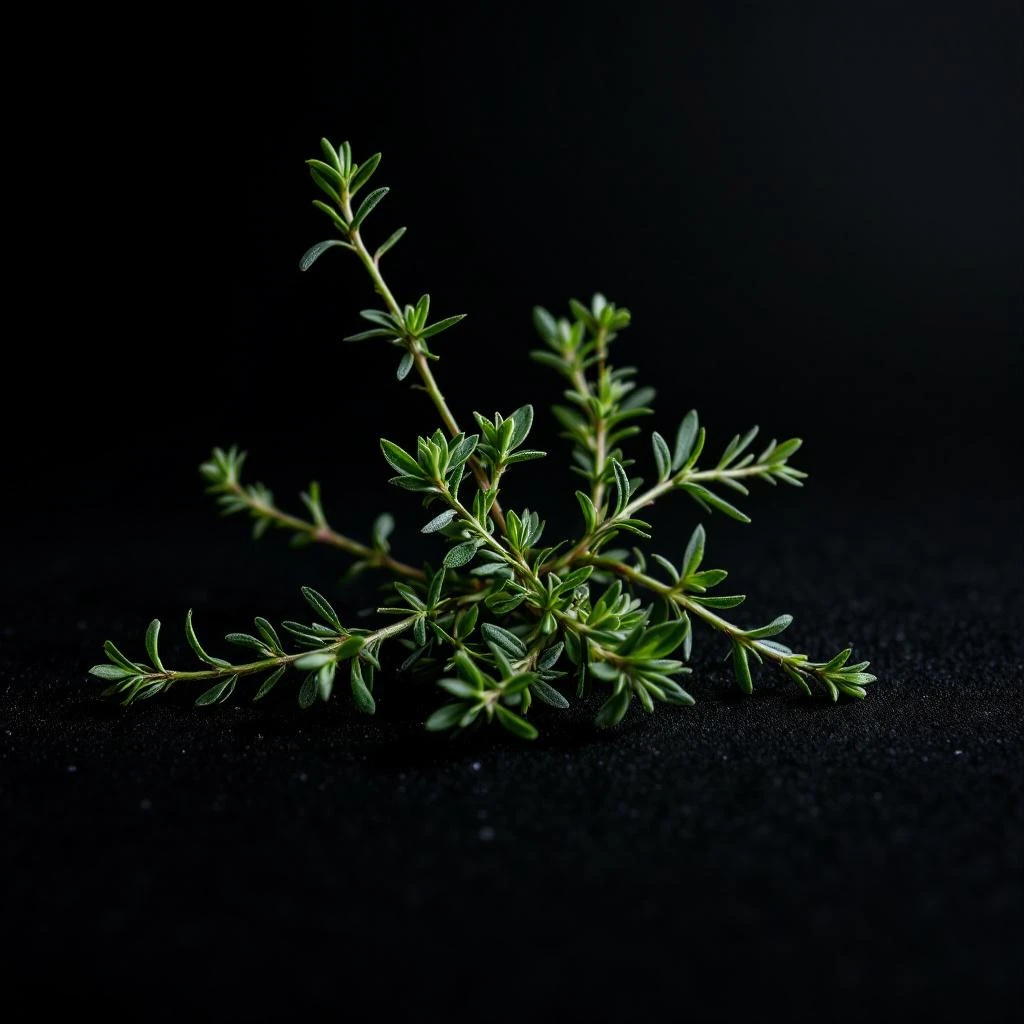
Dill
Dill seed oil brings a crisp, green quality to perfumery, adding fresh herbaceous dimension to aromatic and fougère compositions as a top note. Its clean, slightly spicy character creates immediate freshness that anchors greener fragrance structures.
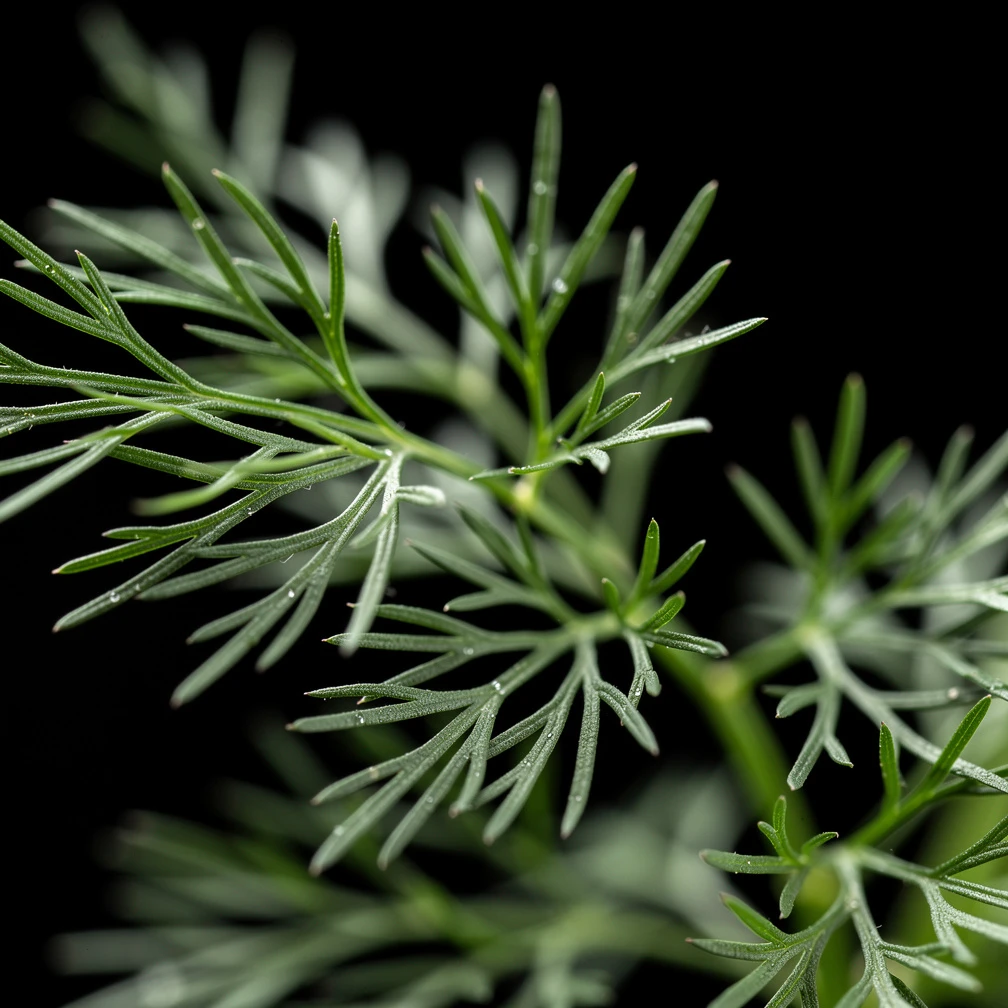
Character
How it smells
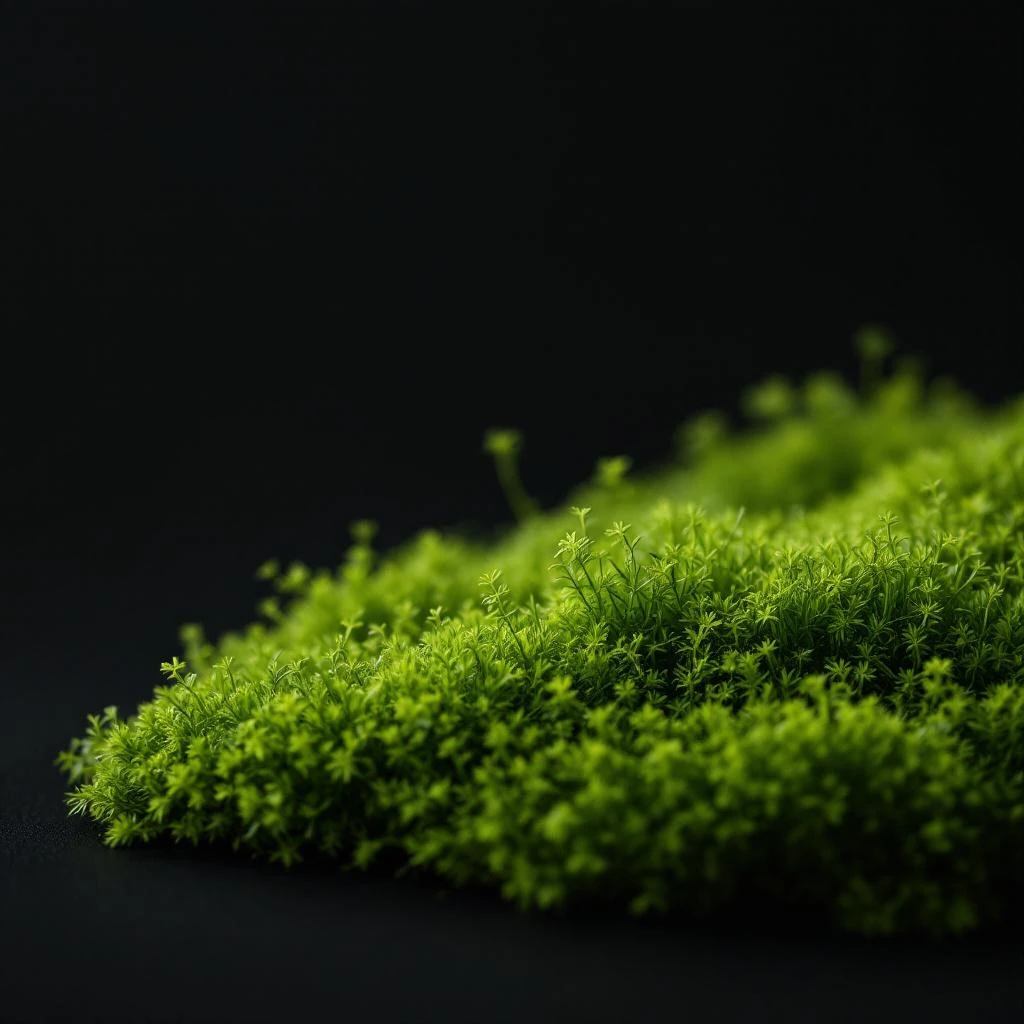
A crisp garden note that brings immediate green freshness to fragrance compositions
Dill's aromatic compounds are so potent that a single drop of dill seed oil can scent an entire batch of perfume base, making it one of the most efficient natural fragrance materials.



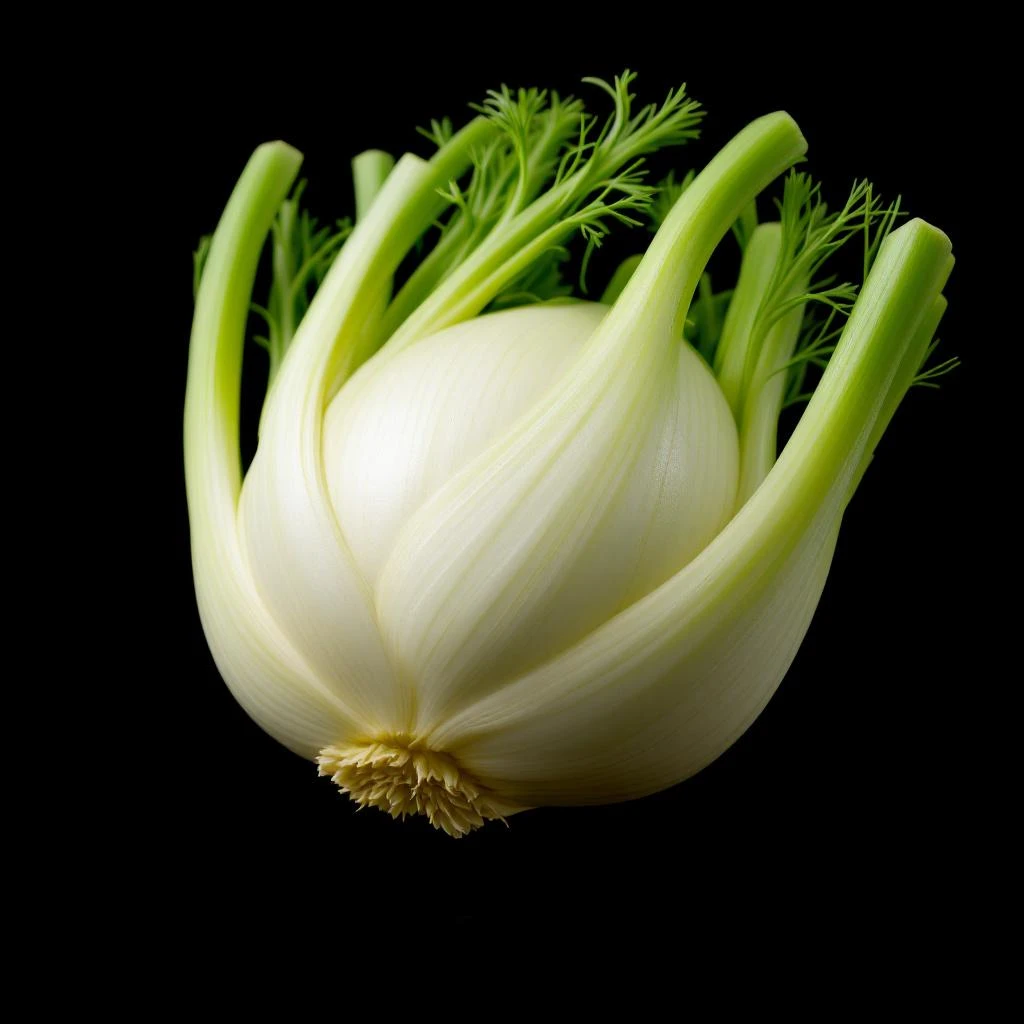



Origin
India
Dill's use in perfumery extends back to ancient Mediterranean cultures where it was valued both as a culinary and aromatic herb. Ancient Greeks and Romans cultivated dill extensively, incorporating it into ceremonial preparations and personal care routines. Medieval herbalists documented dill's aromatic properties in their manuscripts, establishing early connections between culinary herbs and fragrance creation.
The transition from culinary to perfumery applications occurred gradually as distillation techniques improved across centuries. By the 19th century, dill seed oil had established itself as a reliable material in European perfumery, particularly in aromatic and fougère compositions that required fresh, green top notes. Today, commercial cultivation spans multiple continents, with India, the United States, and Mediterranean countries serving as primary production regions.
The herb's journey from kitchen garden to perfume laboratory represents a broader pattern in perfumery history where culinary traditions gradually informed aromatic practices.
Wears it best
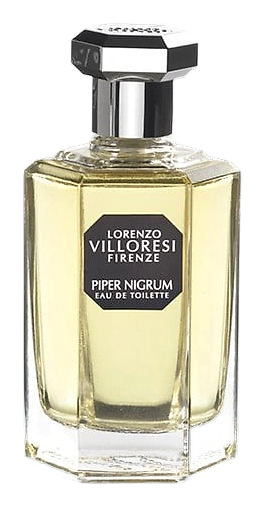
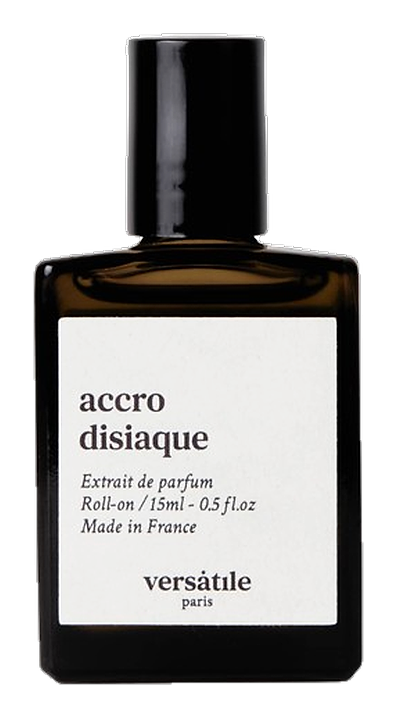
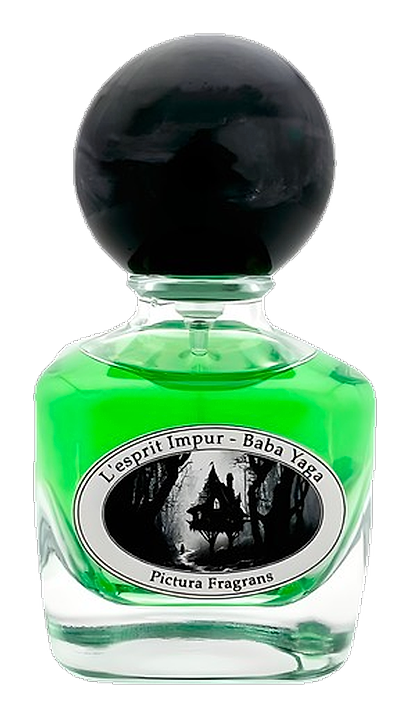
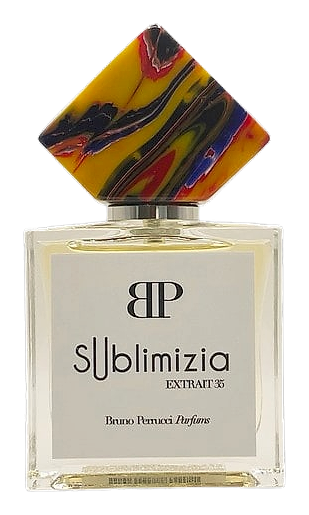
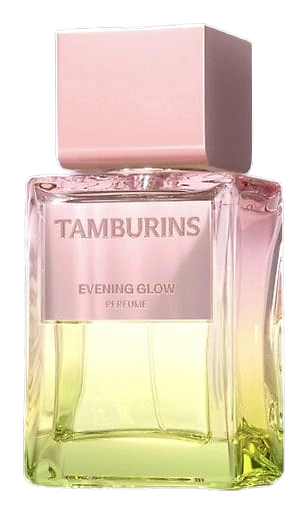
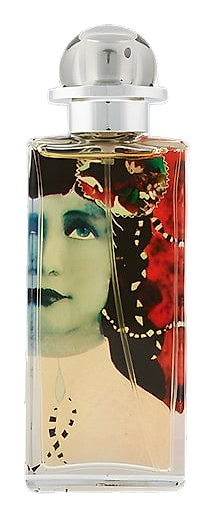
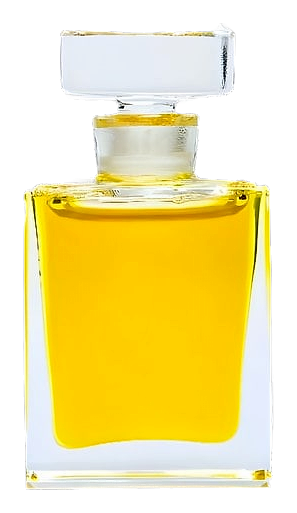
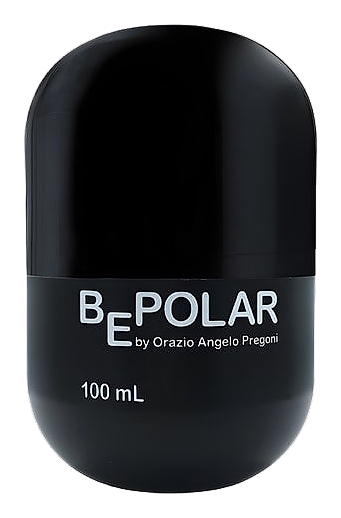
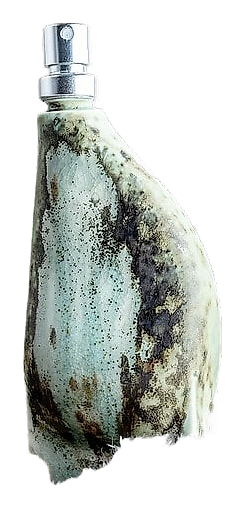
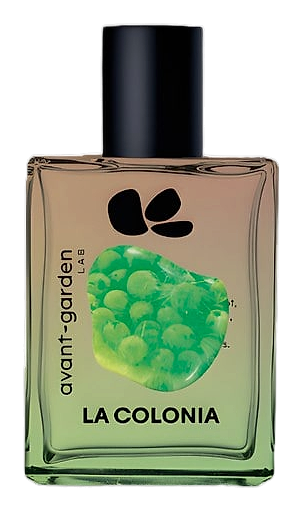
Fragrances featuring Dill


Brands
Brands known for Dill
Good to know
Questions, answered
The essentials on Dill in perfumery: how it smells, where it comes from, and how it behaves on skin.
What does Dill smell like in perfume?
Dill brings a fresh, green herbaceous scent with hints of caraway and anise. Its aroma is clean and crisp, often described as vegetable-like with slight spicy undertones. In fragrance, dill functions as a top note containing 30-50% carvone that provides immediate freshness and aromatic lift to compositions.
Why is Dill used in perfumery?
Dill seed oil is valued for its ability to add green, aromatic complexity to fragrances. It works particularly well in fougère and aromatic masculine fragrances where it contributes natural, herbaceous freshness. The material provides olfactory balance between citrus and heavier base notes, with typical oil yields of 2-4% from dried seeds making it a concentrated aromatic material.
Is Dill in perfume natural or synthetic?
Dill in perfume is typically natural, derived from steam-distilled dill seeds. The natural oil is preferred for its complex aromatic profile that includes carvone, limonene, and alpha-phellandrene, compounds that synthetic versions struggle to fully replicate. However, some manufacturers may use nature-identical compounds for cost optimization in specific formulations.
What famous perfumes contain Dill?
Dill appears in numerous aromatic and fougère fragrances across men's fragrance collections. While specific perfume formulations remain proprietary, dill is particularly common in designer and luxury masculine lines that emphasize green, herbaceous notes. It shows up consistently in aromatic chypre and fougère family compositions from the 1970s onward.
Is Dill a top note, heart note, or base note?
Dill functions primarily as a top note in perfumery due to its volatility and immediate aromatic presence. It evaporates relatively quickly within the first 15-30 minutes of application, contributing initial freshness to a fragrance composition rather than lasting into the dry-down phase where heart and base notes dominate.
What notes pair well with Dill in perfume?
Dill pairs naturally with citrus oils like bergamot, lavender, oakmoss, and coumarin. These combinations create balanced aromatic profiles common in fougère fragrances. The herb also complements other green notes like galbanum and artemisia, as well as marine accords in contemporary formulations where its fresh character enhances aquatic dimensions.
How is Dill extracted?
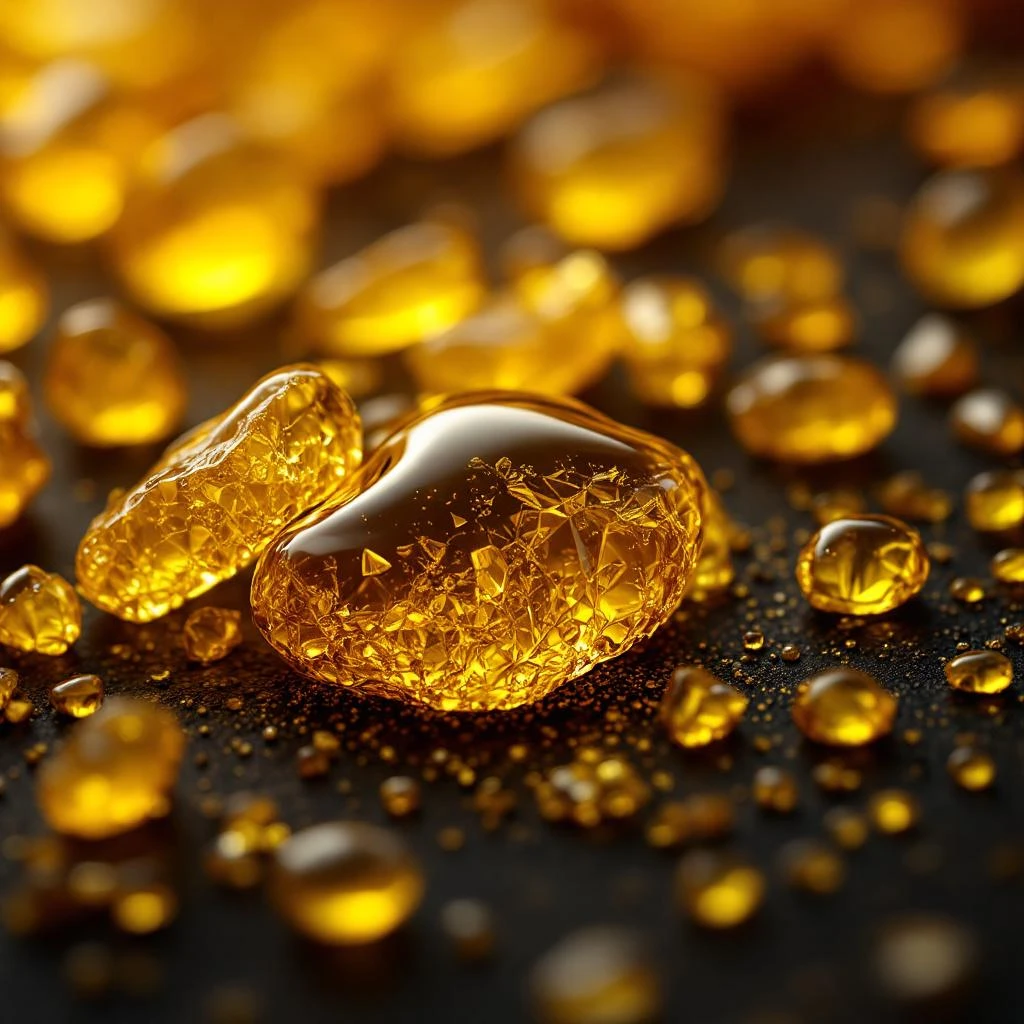
Dill seed oil is extracted via steam distillation of dried dill seeds. The process involves passing steam through the crushed seeds at controlled temperatures below 100°C to avoid degrading sensitive aromatic compounds. Typical yields range from 2-4% essential oil content, with the process taking several hours to complete and producing a pale yellow oil with a characteristic fresh, herbaceous aroma.
Is Dill used in men's or women's fragrances?
Dill appears more frequently in men's fragrances, particularly in aromatic, fougère, and sport fragrance categories where it contributes to fresh, masculine profiles. It comprises roughly 60-70% of aromatic masculine fragrance formulations featuring green notes. However, dill occasionally appears in gender-neutral and some women's fragrances that emphasize green, herbal, or fresh characteristics.