The Story
Why it exists.
The beginning
Vespri Aromatico takes its name from the Italian word for evening hours, that liminal moment when the coast cools and the herbs release their scent into the air. The fragrance translates a very specific Mediterranean atmosphere: the Riviera after a summer storm, rosemary carpeting the hillside, juniper berries heavy with moisture, the sea still carrying salt from the wind. Marie Duchêne built this composition from that sensory starting point, not a fantasy of citrus, but the real thing, coastal and green and alive. The title itself is Italian, chosen to evoke the particular quality of light and air that belongs to that landscape at that time of day.
What sets Vespri Aromatico apart is the structure of the drydown. Cashmere wood and tonka bean create a powdery warmth that arrives late and stays close, not the loud, performative drydown of many Mediterranean fragrances, but something intimate and considered. The sea salt in the opening doesn't disappear entirely; it recedes into the herbs, adding a mineral undertone that keeps the heart from tipping into potpourri. Fennel in the heart is an unusual choice, bringing an aniseed edge that makes the herbal notes feel less like a potpourri bag and more like a living garden. This is aromatic fragrance done with restraint rather than ambition.
The evolution
The opening arrives quickly: Italian lemon and bergamot with sea salt clinging to the rind. The salt-mineral note gives the composition its distinctive character, a clean mineral quality that sets it apart from typical aquatic fragrances. Then dill adds a brief green note, unexpected and sharp, before the herbal heart takes over around 15 minutes in. Rosemary and juniper lead, with geranium adding a floral-green complexity and fennel bringing an aniseed undertone that makes the herbs feel distinctly Mediterranean, grounded and aromatic rather than ornamental. The drydown shifts over the next several hours into sandalwood, cedar, and cashmere wood, warmed by tonka bean. Moss and amber settle in last, creating that close-skin powdery warmth that lingers on the skin.
Cultural impact
Vespri Aromatico occupies a specific corner of the aromatic citrus category, more herbal and Mediterranean than most, with a drydown that rewards patience. The 2013 release drew wearers who wanted something with genuine character rather than a safe citrus blind buy. That restraint is also what makes it divisive: this is not a fragrance that announces itself. The powdery cashmere-tonka finish is the signature move that keeps people coming back, and it's the reason many consider Vespri Aromatico one of Nobile 1942's most thoughtfully constructed compositions.
The House
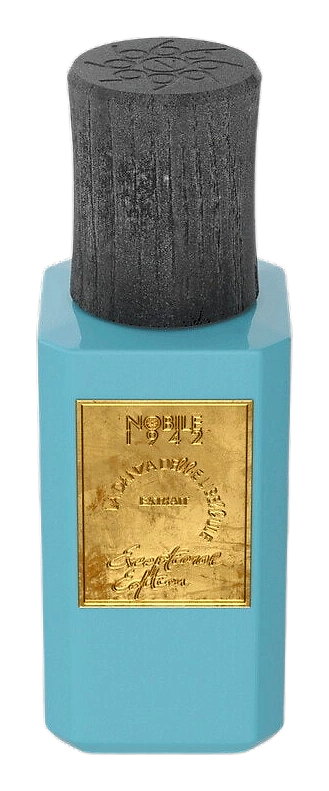
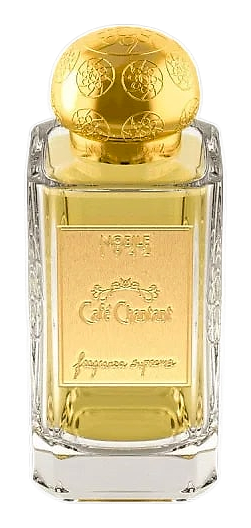
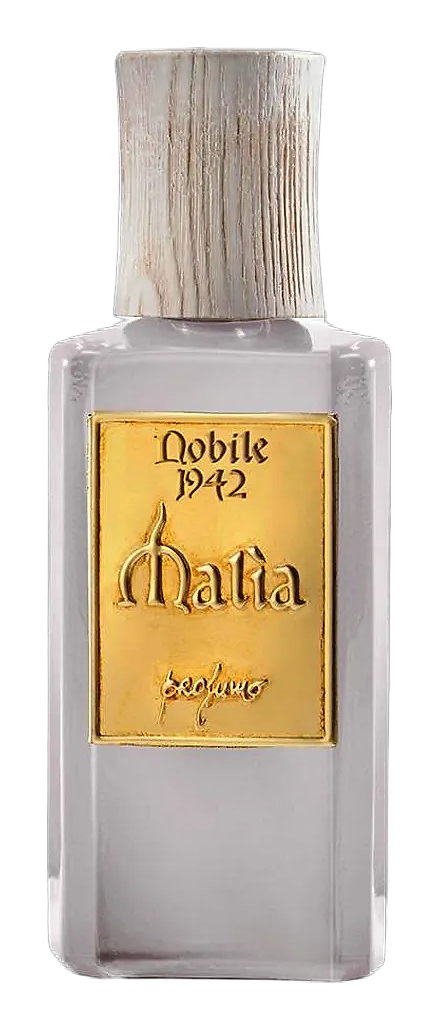
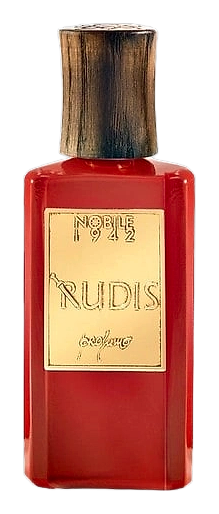
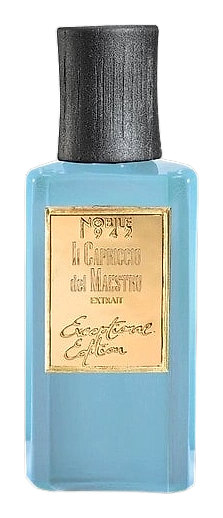
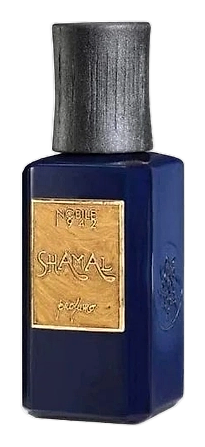
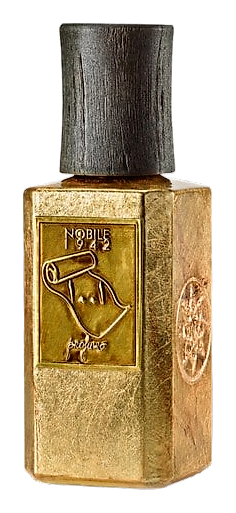
Nobile 1942Nobile 1942 is an Italian niche fragrance house based in Naples, founded around 2004-2005 by Massimo Nobile and his wife Stefania Giannino. The brand carries forward a family perfumery tradition dating back to 1942, when the Nobile family established their perfumery during wartime Italy. Now in its third generation, the house crafts small-batch fragrances that draw from classical Italian opera and theatrical traditions. Each fragrance carries an Italian title, reflecting the brand's commitment to expressing Italian cultural heritage through scent. The collection includes notable releases such as Profumo Imperiale (2010), Café Chantant Estratto (2012), and Il Capriccio del Maestro (2018), alongside several exceptional edition releases. Nobile 1942 positions itself as an alternative to mass-market fragrance production, emphasizing artisanal quality and familial continuity over commercial scale.
The Creator
Marie DuchêneMarie’s style leans toward naturalism, favoring botanical absolutes, fine woods, and delicate florals. She often begins with a single heart‑note—lavender, rose, or jasmine—then builds a supporting structure of citrus top notes and soft musks.