
The Story
Why it exists.
The beginning
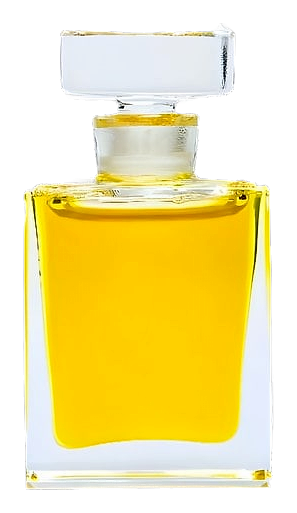
Kismet means fate, the turning point you didn't see coming. In October 2007, Yosh Han brought this concept to Barneys New York, launching exclusively at their flagship stores. It was a lush, luxurious floral built around osmanthus, Roman chamomile, boronia, and Narcissus, yellow blossoms with a melancholic edge. Cedar and frankincense ran underneath like a dark current. The brand wanted something opulent, yes, but also strange. Hay and dill. Turmeric. A sense of mischief woven into the florals. Kismet was Yosh's most ambitious composition to date, and it showed a house willing to use perfume as emotional language rather than decoration.
What makes Kismet unusual isn't any single note, it's the combination. Osmanthus brings apricot-floral sweetness with a fermented, almost leathery undercurrent. Chamomile adds bitterness. Dill, an herb most perfumers avoid, contributes a green, anise-like lift that smells like crushed stems. Boronia carries a fruity-tobacco depth that's unmistakable once you've smelled it. Turmeric rounds everything with a warm, curry-like spice. This is a composition that could have collapsed into chaos. Instead, the florals hold it together, supported by cedar and frankincense that keep the sweetness from becoming cloying. Yellow florals were uncommon in Western perfumery in 2007.
The evolution
The opening is osmanthus, sweet, fruity, with the bruised-skin quality that makes it unmistakable. Chamomile and boronia add their bitter-floral weight. Cedar and frankincense are present immediately, not waiting for the drydown. Dill emerges within the first minutes, that green, slightly anise character that catches the attention. As it develops, the florals deepen. Narcissus adds a creamy, almost animalic richness. Incense and hay create warmth and earthiness. The turmeric becomes more apparent, threading through as a warm spice. By the mid-point, the composition has settled into its core: osmanthus and boronia dominant, with cedar, frankincense, and incense as structural supports. The drydown is where Kismet earns its reputation. The florals fade to a quiet echo. Cedar remains longest, with frankincense's smoky resin and a balsamic warmth from the base. The dill persists in trace amounts, a ghost of green in the final hours. Moderate longevity, four to six hours on most skin, means it won't dominate a room.
Cultural impact
Kismet launched exclusively at Barneys New York in October 2007, representing Yosh's most opulent work at the time. The combination of yellow florals, osmanthus, boronia, chamomile, with incense, hay, and dill was unconventional for its era, positioned as an artistic risk rather than a commercial play. Discontinued production has made it a niche collector's item, sought by those who value unusual note combinations over mainstream appeal. Osmanthus, the apricot blossom, is the scent's defining character, a note rare in Western perfumery that gives Kismet its distinctive fruity-floral signature.