
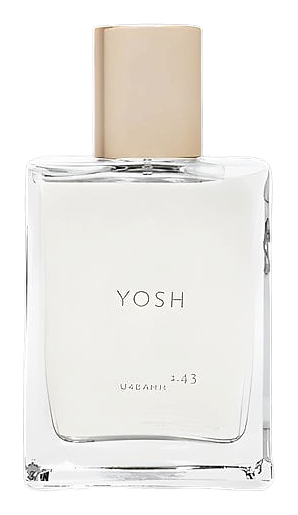
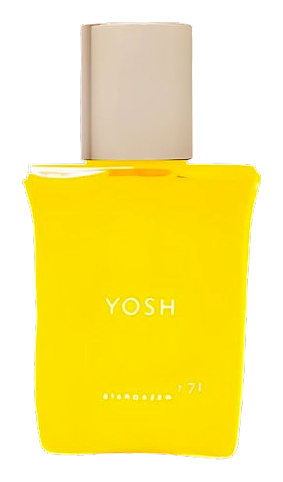

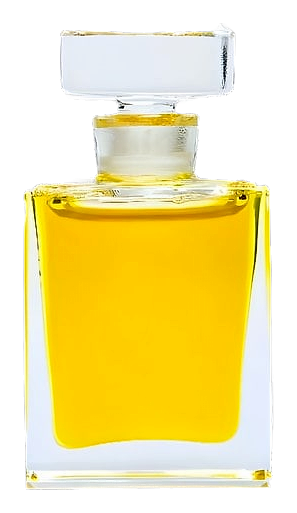
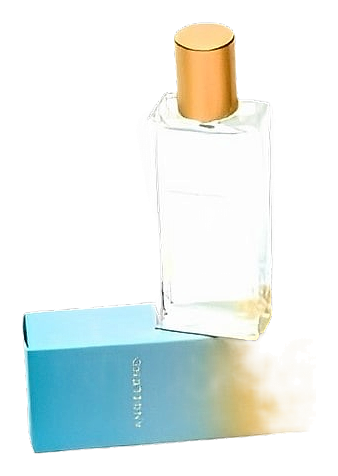
The Heritage
The Story of Yosh
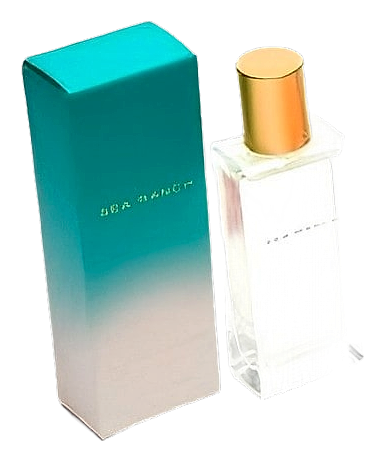
YOSH is an independent fragrance house founded by perfumer Yosh Han in 2004. The brand blends botanical ingredients sourced from Asia, Africa and the Americas with a conceptual focus on chakra balance. Each scent is presented as a sensory vignette that invites the wearer to explore a specific emotional current, from the crisp marine notes of Sea Ranch to the dark amber of Sombre Negra. YOSH positions itself as a laboratory for curious noses, offering limited releases that emphasize story over volume.
Heritage
Yosh Han began her career in the early 2000s, working as a tasting judge for the International Chocolate Salon and earning a level‑1 sommelier certification. In 2004 she launched YOSH, a boutique label that quickly attracted attention for its unconventional naming conventions and its use of chakra theory as a creative framework. The first collection, released that year, featured Winter Rose (2006), a rose‑centric perfume that paired Bulgarian rose oil with a hint of wintergreen, signaling the brand's willingness to juxtapose contrast. By 2010 YOSH introduced Sombre Negra, a deep, smoky composition that drew on African ebony wood and South American palo santo, marking the house's first foray into darker, more introspective territories. 2013 proved prolific: Sea Ranch captured coastal breezes with marine accords from French marine algae, while Zuma, Konig, and Angelino each explored distinct cultural motifs, from Japanese citrus to Mediterranean herbs. In 2020 Yosh Han organized the Digital Scent Festival, an online event that allowed participants to experience fragrance through synchronized audio‑visual streams, highlighting her commitment to community engagement and technological experimentation. Throughout its history YOSH has maintained a small‑batch production model, releasing fewer than 1,000 bottles per scent, which preserves the integrity of each ingredient and sustains a close relationship with its niche audience. The brand’s evolution reflects a steady accumulation of experimental releases, collaborative projects with cultural institutions, and an ongoing dialogue about decolonizing fragrance terminology, as discussed in a 2021 interview with the San Francisco Chronicle. Today YOSH remains a fixture of the West Coast indie perfume scene, celebrated for its thoughtful blends and its willingness to challenge conventional scent narratives.
Craftsmanship
YOSH’s production process begins with field visits, where Yosh Han and a small team evaluate harvest quality alongside local cooperatives. The house favors cold‑press and steam‑distillation techniques that preserve volatile compounds, especially for delicate florals such as Bulgarian rose and Indian jasmine. For woody and resinous elements, YOSH employs solvent‑free maceration, allowing the material to release its essence over several months in temperature‑controlled vats. Each batch undergoes a three‑stage quality assessment: analytical chromatography to verify concentration levels, olfactory panels that include certified tasters and cultural consultants, and a final stability test that simulates exposure to light, heat and humidity for six months. The brand limits its annual output to under 5,000 units per scent, a decision that reduces the need for large‑scale synthetic substitutes and supports a more hands‑on blending environment. Bottles are hand‑filled in a San Francisco studio, where artisans use calibrated syringes to ensure consistent volume. After filling, each bottle is capped with a custom‑molded aluminum atomizer that has been tested for spray uniformity. The finished product is boxed in recycled kraft paper, printed with soy‑based inks that match the scent’s chromatic palette. YOSH also maintains a traceability ledger, accessible via QR code on the label, which records the origin of each raw material, the harvest date, and the artisan who performed the extraction. This level of documentation reflects the house’s commitment to ethical sourcing and to providing consumers with a transparent narrative of their fragrance.
Design Language
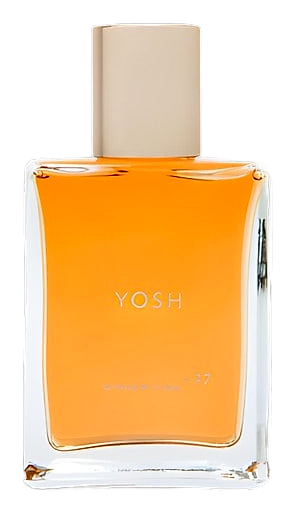
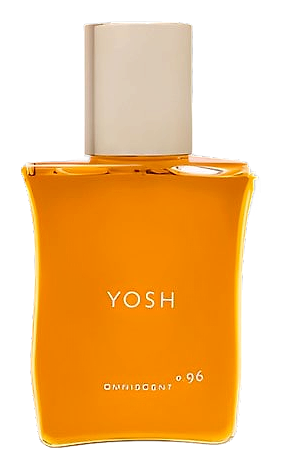
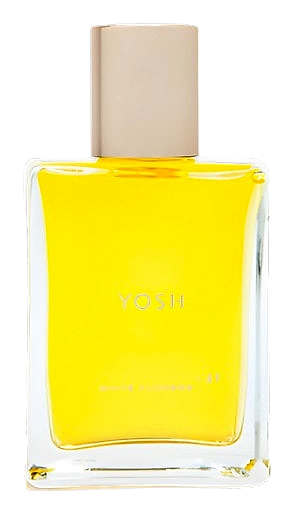
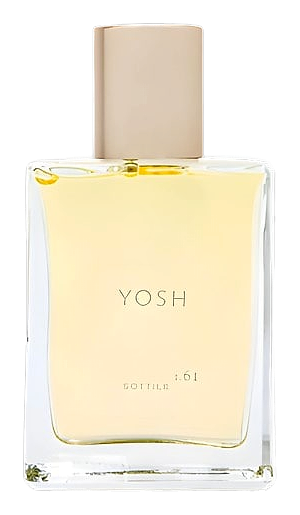
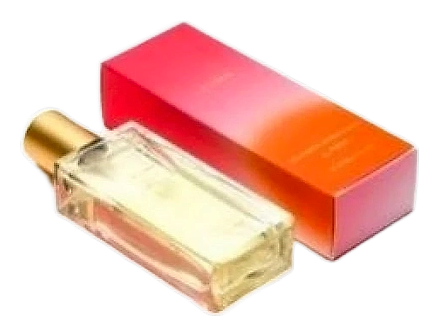
Visually, YOSH adopts a minimalist graphic language that mirrors its chakra concept. Labels feature a single, thin line drawing of the corresponding chakra symbol, rendered in muted earth tones that echo the scent’s dominant note. The typography is a clean sans‑serif typeface, set in all caps for the brand name and lower case for the fragrance title, creating a hierarchy that feels both modern and contemplative. Bottles are cylindrical, with a slight taper at the base, and are made of clear glass to showcase the perfume’s natural hue. The caps are brushed aluminum, engraved with the year of release, reinforcing the limited‑edition nature of each launch. Packaging inserts include a short meditation prompt related to the fragrance’s chakra, encouraging the wearer to engage with the scent beyond the olfactory level. In retail displays, YOSH often pairs its products with natural elements—small stones, dried herbs or a single candle—inviting shoppers to experience a tactile connection. The brand’s social media feed follows the same aesthetic, using soft‑focus photography and a restrained color palette that highlights the texture of raw ingredients rather than glossy product shots. This visual restraint aligns with YOSH’s philosophy of letting the scent speak for itself, while still providing a cohesive, recognizable identity across all touchpoints.
Philosophy
YOSH frames perfumery as a practice of aligning scent with inner energy. The house draws on the seven chakra system, assigning each fragrance a corresponding point of balance—root, sacral, solar plexus, heart, throat, third eye, and crown. This approach emerged from Yosh Han’s study of Eastern meditation techniques and her belief that aroma can act as a subtle cue for emotional regulation. The brand also emphasizes cultural respect; Yosh has spoken publicly about the need to replace colonial descriptors such as "exotic" with precise botanical terminology. Ingredient selection follows a global scouting process, where raw materials are sourced directly from small‑scale growers in regions like the Himalayas, the Congo basin and the Mexican highlands. Transparency is a core value: YOSH provides batch numbers and harvest dates on its packaging, inviting consumers to trace the journey of each note. The creative team operates without a traditional hierarchy; perfumers, visual artists and cultural advisors meet in rotating workshops, ensuring that each launch reflects a multidisciplinary perspective. Sustainability informs decision‑making, with a preference for renewable extraction methods and recyclable glass bottles. By treating fragrance as both art and wellness tool, YOSH seeks to create scents that resonate on a physiological level while honoring the provenance of every ingredient.
Key Milestones
2004
YOSH founded by perfumer Yosh Han in San Francisco, introducing a chakra‑based fragrance concept.
2006
Release of Winter Rose, the brand’s first major scent, combining Bulgarian rose with wintergreen.
2010
Launch of Sombre Negra, a dark, smoky composition that expands YOSH’s palette into deeper accords.
2013
Three notable releases—Sea Ranch, Zuma and Angelino—highlight YOSH’s global sourcing and thematic diversity.
2020
Yosh Han curates the Digital Scent Festival, an online event that pairs fragrance with synchronized audiovisual experiences.
2022
YOSH announces a partnership with a West Coast indigenous cooperative to source sustainably harvested sandalwood.
At a Glance
Brand profile snapshot
Origin
United States
Founded
2004
Heritage
22
Years active
Collection
2
Fragrances released
Avg Rating
4.3
Community sentiment
Release Rhythm


